4-Day Leh Itinerary for a Short Ladakh Break
A practical 4-day Leh itinerary for a short Ladakh break with acclimatisation tips, two route options (Pangong or Nubra), daily plans, permits, packing advice and safety pointers to make the most of your trip.
By TravMe Holidays travel team · · Updated · 6 min read
Four days in Leh gives you a compact but memorable taste of Ladakh's high-altitude landscapes, monasteries and unique culture. This itinerary balances acclimatisation, scenic drives and one overnight excursion so you return refreshed rather than exhausted. Below you'll find a day-by-day plan, two route options for day trips, permit details, packing and health tips, and practical advice to help you travel confidently in Ladakh.
Before you go: essential planning and acclimatisation
Leh sits at about 3,500 metres. Altitude is the single most important factor in planning a short trip. Build in a gentle arrival day, hydrate well, avoid alcohol and strenuous activity on day one, and be aware of acute mountain sickness (AMS) symptoms: headache, nausea, dizziness, and breathlessness. Consult your doctor if you have pre-existing conditions.
When to visit
The best months are June to September, when most roads and passes are open and the weather is relatively warm in daytime. Winter travel is possible but for a short 4-day break, summer is far more reliable for road access to Pangong and Nubra.
Permits and documentation
Indian citizens need an Inner Line Permit (ILP) or Protected Area Permit (PAP) depending on the exact areas visited. Foreign nationals need Protected Area Permits for all of Ladakh. Permits can be obtained online through the UT of Ladakh portal, at Leh DC office, or through travel agents. Carry ID, passport-size photos and multiple photocopies. For Pangong and Nubra, mention the specific destinations as permits list restricted areas.
How to reach Leh
Most travellers fly into Leh Kushok Bakula Rinpoche Airport from Delhi or Srinagar. Flights are weather-dependent; keep buffer time if you have onward connections. Overland travellers generally take the Manali-Leh or Srinagar-Leh highways — both are spectacular but long. For a 4-day trip, flying in and flying out is the most time-efficient option.
Day-by-day 4-day Leh itinerary
Day 0 — Arrival & gentle acclimatisation (first day in Leh)
Arrival in Leh should be relaxed. After landing, take it very easy for the first 24 hours. Drink plenty of water, rest, and take a short walk in Leh Market in the late afternoon if you feel well. Keep plans light: visiting the Shanti Stupa at sunset is ideal — the short walk up and the views are rewarding without overexertion.
Day 1 — Leh Local: monasteries, markets and short sightseeing
Spend your first full day exploring Leh town slowly. Recommended sights:
- Leh Palace: A 17th-century royal palace with panoramas of the town and surrounding hills.
- Shanti Stupa: Best at sunrise or sunset for quiet views and photo opportunities.
- Leh Market and Main Bazaar: Great for handicrafts, pashmina shawls, and local snacks.
- Hall of Fame & War Memorial: A short drive away, offering context on Ladakh's strategic significance.
- Jama Masjid and local gompas: Small monasteries scattered across town illustrate daily Ladakhi life.
Keep activity low key. Have warm, light meals and avoid heavy exertion.
Day 2 and Day 3 — Choose one: Pangong Lake or Nubra Valley (overnight included)
For a 4-day trip you can comfortably do one overnight excursion outside Leh. Both Pangong and Nubra are excellent choices; pick based on your preference for expansive lakescapes (Pangong) or sand dunes and remote valleys (Nubra).
Option A: Pangong Lake (popular choice)
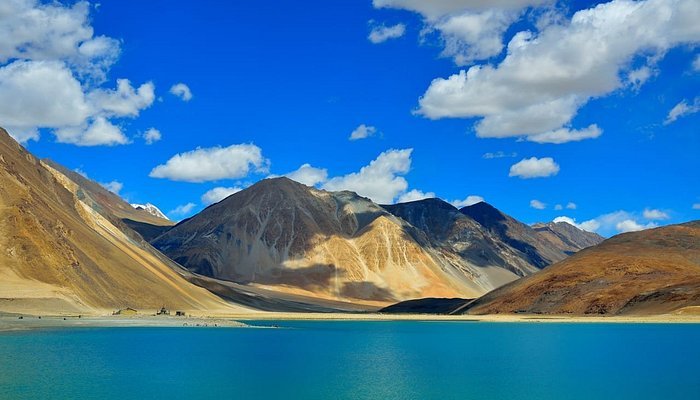
Day 2: Drive from Leh to Pangong Lake (approx 5–7 hours depending on road conditions). The route crosses Chang La, one of the high passes, with dramatic views. Arrive by afternoon, settle into a camp or guesthouse, and enjoy the lake as it changes colour during sunset.
Day 3: Wake up at the lake for sunrise and leisurely morning. Return to Leh by afternoon, stopping at Thiksey Monastery en route if time allows. Evening in Leh for dinner and rest.
Option B: Nubra Valley via Khardung La
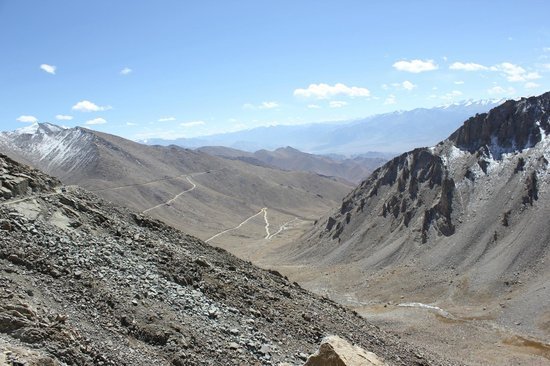
Day 2: Drive to Nubra Valley via Khardung La (the highest motorable pass). Explore Diskit Monastery and the Hunder sand dunes; consider a short camel ride on the double-humped Bactrian camels. Overnight in a camp or guesthouse in Hunder or Diskit.
Day 3: After a relaxed morning, return to Leh. En route visit the monastery at Diskit for panoramic views. Arrive in Leh by evening.
Day 4 — Short drives, relax and depart
Use your final half-day for any last sightseeing or shopping. Popular short excursions include:
- Magnetic Hill and Sangam (confluence of Indus and Zanskar rivers).
- Spituk Monastery or Namgyal Tsemo for a short hike and views.
- Local cafes in Leh Market for Tibetan and Ladakhi food — momos, thukpa and local apricot delicacies.
Allow plenty of time to get to the airport. If your flight is late evening, keep activities light and stay hydrated.
Accommodation and transport tips
Leh has a range of hotels, guesthouses and camps. For the overnight outside Leh, book ahead in peak season. Shared taxis, private cabs and organized tours are common; for flexibility and short trips, hiring a car with a driver is practical. Drivers are familiar with altitude pacing and road conditions.
Packing checklist for a short Ladakh break
- Layered clothing: thermal base, fleece, windproof jacket; days are warm, nights cold.
- Sun protection: high-SPF sunscreen, lip balm, sunglasses with UV protection and a brimmed hat.
- Footwear: comfortable walking shoes and sandals for evenings.
- Basic medicines: altitude medication (if prescribed), paracetamol, rehydration salts, motion sickness tablets and a small first-aid kit.
- Reusable water bottle, power bank, camera, binoculars for wildlife and landscape viewing.
- Copies of important documents: ID proof, permits and travel insurance.
Health, safety and local etiquette
Altitude awareness is key. If symptoms of AMS appear, descend immediately and seek medical attention. Avoid heavy meals and alcohol on arrival days. Keep to marked roads and trails, and respect local customs at monasteries — ask before photographing monks, remove hats inside prayer halls and walk clockwise around stupas and mani walls.
Tip: Take rest breaks while driving between passes. Roads are beautiful but can be long; a slower pace keeps you healthy and lets you soak in the scenery.
Food and dining in Leh
Leh offers simple, wholesome Tibetan and Ladakhi cuisine. Try momos, thukpa, skyu (a local dough-and-vegetable dish), and apricot-based desserts. Carry snacks and energy bars for long drives; fresh fruit may be limited at high altitude.
Budgeting and time-saving tips
A short trip benefits from a bit of planning: pre-book your airport transfers, the overnight stay outside Leh, and a reliable driver for door-to-door transfers. Consider a local travel agent for permits and logistics if you prefer a hassle-free plan.
Final checklist before you depart
- Confirm flight times and permit status.
- Share your itinerary with someone back home and register with local authorities if recommended.
- Pack medicines, extra cash (ATMs in Leh may be limited), and insulating layers.
Conclusion
A 4-day Leh itinerary gives you a strong introduction to Ladakh's landscapes, culture and high-altitude rhythms without rushing. Prioritise acclimatisation, choose either Pangong or Nubra for an overnight adventure, and keep a flexible, relaxed pace. With smart planning and respect for the altitude, you'll return with unforgettable memories of blue lakes, stark mountains, prayer flags and warm Ladakhi hospitality.