4-Day Ahmedabad and Vadodara Heritage Itinerary
A compact 4-day heritage itinerary linking Ahmedabad and Vadodara, ideal for culture lovers who want an immersive taste of Gujarat’s architecture, museums, stepwells and royal palaces.
By TravMe Holidays travel team · · 7 min read
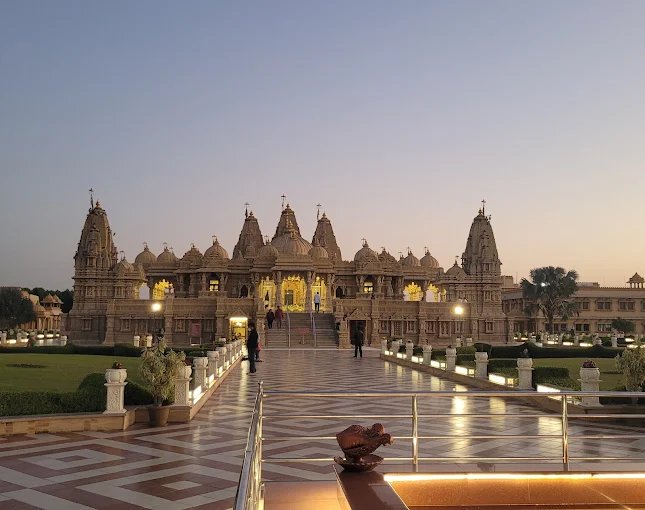
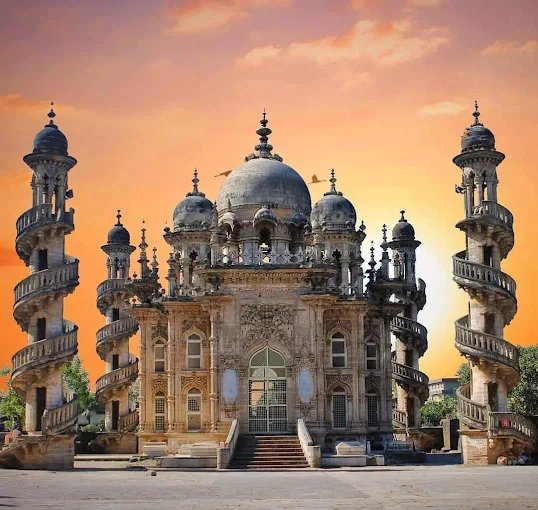
This 4-day Ahmedabad and Vadodara heritage itinerary is designed to give you a deep, manageable experience of Gujarat’s rich past — from the quiet corridors of Sabarmati Ashram to the ornate splendour of Laxmi Vilas Palace, and the amazing UNESCO site of Champaner-Pavagadh. Travel at a relaxed pace, soak in local flavours and crafts, and discover the layers of history that shaped this vibrant region.
How to use this itinerary
Start in Ahmedabad and finish in Vadodara (Baroda). Distances are short and well-served by trains and highways; expect roughly 2–3 hours by road between the two cities depending on traffic. The plan balances iconic sights and quieter cultural experiences, with practical suggestions for timings, food, and local transport.
Day 1 — Ahmedabad: Gandhi’s city and old-world charm
Morning: Begin early at Sabarmati Ashram to avoid crowds and midday heat. The ashram museum, Gandhi’s living quarters and the tranquil setting on the Sabarmati riverbank give a measured introduction to India’s independence movement and Gandhian philosophy.
Late morning: Old Ahmedabad walking circuit
Head into the pols (heritage neighbourhoods) and explore the lanes around Teen Darwaza and Bhadra Fort. Don’t miss the magnificent Jama Masjid, an outstanding example of Indo-Islamic architecture. Hire a local guide or join a walking tour to understand the unique social fabric of the pols, their ornate wooden facades and internal courtyards.
Afternoon: Calico Museum or textile trails
Ahmedabad is synonymous with textiles. If museum visits are of interest, plan ahead—some museums require prior appointments. The Calico Museum (visit by appointment) and smaller textile galleries provide insights into weaving traditions, block printing and the evolution of Indian textiles. If you prefer a lighter option, explore local textile shops and contemporary design stores in the Ellisbridge and CG Road areas.
Evening: Kankaria Lake and Manek Chowk food trail
Spend the evening at Kankaria Lake where you can enjoy a relaxed lakeside walk and local snacks. Later, head to Manek Chowk — a bustling market by day and one of Ahmedabad’s best food streets by night. Sample a variety of Gujarati street foods — from khaman dhokla and fafda-jalebi to piping hot pav bhaji and local sweets.
Day 2 — Ahmedabad: Stepwells, temples and modern heritage
Morning: Start with the Adalaj Stepwell, just outside the city. This intricately carved stepwell is a wonderful example of medieval water architecture and provides great photo opportunities. Look for the delicate stone latticework and the play of light and shadow in the deep well.
Midday: Sidi Saiyyed Mosque and Hutheesing Jain Temple
Return to the city centre to admire the famous stone jali (lattice) of Sidi Saiyyed; the tree of life motif is iconic to Ahmedabad. Nearby, the Hutheesing Jain Temple, with its ornate carvings and peaceful ambience, offers a contrast to the bustling streets.
Afternoon: Architecture walk & contemporary heritage
If time permits, explore Ahmedabad’s modernist architecture — buildings by Le Corbusier and Louis Kahn are scattered across the city. The Ahmedabad Urban Study Centre or a curated architecture walk will help place these modern interventions in context of the city’s long architectural history.
Evening: Travel to Vadodara
In the late afternoon or early evening, take the road or a convenient train to Vadodara. Check into your hotel and enjoy a relaxed dinner. Vadodara’s culinary scene is rooted in Gujarati and Maharashtrian influences — try the local thali or street snacks at nearby markets.
Day 3 — Vadodara: Royal Baroda and museum culture
Morning: Laxmi Vilas Palace is the starting point. The palace complex, still partially used by the royal family, showcases lavish Indo-Saracenic architecture and lush grounds. Guided tours often include the ornate interiors, trophy rooms and the scale that made Baroda one of India’s most prosperous princely states.
Late morning: Baroda Museum & Picture Gallery and Sayaji Baug
Adjacent to Laxmi Vilas Palace is Sayaji Baug (Kamati Baug), a large public garden that houses the Baroda Museum & Picture Gallery. The museum’s eclectic collections include natural history specimens, art, and archaeological objects — an intriguing mix that reflects the Maharaja’s interests in building a modern civic museum.
Afternoon: Maharaja Fateh Singh Museum and local crafts
Visit the Maharaja Fateh Singh Museum to see fine art and decorative items from the royal collection. Later, explore Vadodara’s markets and craft shops — the city supports artisans who work in textiles, brassware and miniature painting.
Evening: Lakshmi Vilas Palace lit up
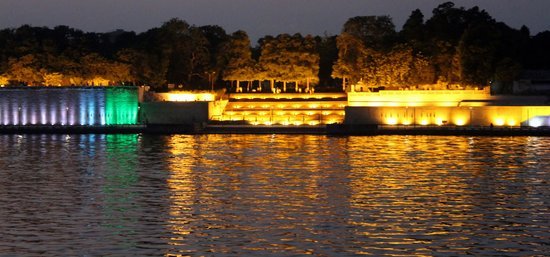
Return to the palace area at dusk if possible — the illuminated façade is a lovely sight and offers a peaceful end to the day. For dinner, explore local restaurants for a Gujarati thali or try Maharashtrian specialities that are also popular here.
Day 4 — Excursion to Champaner-Pavagadh (UNESCO) or local experiences
Choose between a full-day excursion to the Champaner-Pavagadh Archaeological Park (a UNESCO World Heritage site) or a relaxed day in Vadodara with visits to lesser-known heritage spots.
Option A: Champaner-Pavagadh Archaeological Park (recommended)
Spend the day at Champaner-Pavagadh to see a fascinating fusion of Hindu and Islamic architecture. Highlights include ruined mosques, stepwells, fortifications and a hill-temple complex. The Pavagadh hill shrine is a spiritual pilgrimage site with panoramic views — be prepared for some walking and uneven terrain. This site is an excellent way to see how medieval political and religious dynamics shaped built landscapes in Gujarat.
Option B: Vadodara’s hidden gems
If you prefer to stay local, visit the EME Temple with its modernist metalwork, explore local bazaars and artisans’ workshops, or take a leisurely boat ride and birdwatching around local waterbodies if available seasonally.
Practical tips and travel advice
- Best time to visit: October to March for pleasant weather and festival seasons. Summers can be very hot, so plan early starts.
- Getting around: Auto-rickshaws, app-based taxis and local buses are convenient. For day-to-day comfort, hire a private car or use point-to-point taxi services for intercity transfers.
- Tickets and timings: Many heritage sites have specific opening hours and may close on certain days. Check ahead, especially for museums that require appointments.
- Guides: Local guides add immense value at historic sites — they can explain inscriptions, symbolism and historical context that you might otherwise miss.
- Dress and etiquette: Dress modestly at religious sites. Remove shoes where required, and ask before photographing people, particularly inside places of worship.
- Food and water: Ahmedabad and Vadodara have excellent vegetarian cuisine. If you eat street food, choose busy stalls with high turnover. Carry bottled water or use a refill bottle with a good filter.
- Accessibility: Many heritage sites have steps and uneven surfaces. If you or a travel companion have mobility concerns, contact the site in advance for accessibility options.
Packing checklist for a heritage trip
- Comfortable walking shoes with good grip for stepwells and forts
- Lightweight, modest clothing and a scarf for temple visits
- Sun protection: hat, sunglasses, and sunscreen
- Reusable water bottle and basic first-aid items
- Portable phone charger and extra memory for photos
- Copies of ID and confirmations for museums that require booking
Tip: Start early at popular sites to avoid crowds and harsh midday light for better photographs.
Where to stay — suggestions by vibe
Ahmedabad: Stay near Ellisbridge or CG Road for central access, or choose a heritage hotel in the old city to get a feel for the pols. Vadodara: Choose accommodation near Sayaji Baug/Laxmi Vilas Palace for easy access to major attractions.
Sample budget and time planning
Plan each day with morning starts for museums and monuments, midday rests when temperatures rise, and late afternoons for walking tours or smaller sites. Allocate travel time between cities and build in flexibility so you can linger at places you love. Costs will vary by season and choice of accommodation; budget for guide fees, entry tickets and local transport.
Safety and local customs
Both cities are generally safe for travellers. Practice normal precautions: keep valuables secure, be cautious after dark in unfamiliar neighbourhoods, and use registered taxis or app-based rides. Gujarat is a dry state in some areas on certain days — alcohol availability may be restricted depending on local rules.
Conclusion
This 4-day Ahmedabad–Vadodara heritage itinerary gives you a concentrated experience of Gujarat’s architectural diversity, royal histories and living traditions. Whether you linger in quiet stepwells, wander bustling bazaars or stand beneath palace domes, you’ll leave with a deeper appreciation for Gujarat’s layered past — and ideas for a longer return trip to explore further.