14-Day Complete Gujarat Itinerary Covering Every Region
A detailed, practical 14-day Gujarat itinerary that links Ahmedabad, the Rann of Kutch, Saurashtra and the Gir Coast—covering heritage sites, wildlife, salt deserts, beaches and hill stations with travel tips and must-sees.
By TravMe Holidays travel team · · Updated · 6 min read
Gujarat is a state of contrasts: centuries-old stepwells and modern museums, salt deserts that glow under a full moon, centuries of maritime history and a unique wildlife heritage. This 14-day itinerary stitches together every major region—Central Gujarat, North and Great Kutch, Saurashtra and the southern Kathiawar coast—so you can explore the culture, nature and flavours of the state at a comfortable pace.
Day-by-day Plan: 14 Days Across Gujarat
Day 1 — Arrival in Ahmedabad: Old and New
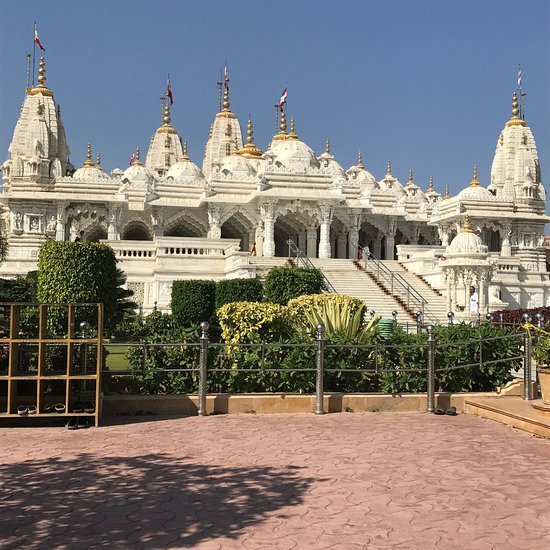
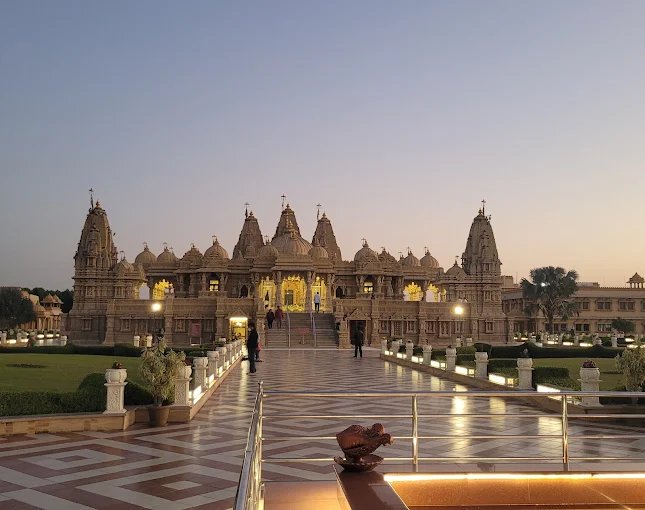
Touch down in Ahmedabad and settle into your hotel. Use the afternoon to stroll the historic pols (narrow lanes) of the old city. Visit the Swaminarayan Temple or Jama Masjid for a quick orientation, and plan an evening at the Sabarmati Riverfront. If time allows, the Calico Museum of Textiles is a special highlight for those interested in Indian textiles (book ahead).
Day 2 — Ahmedabad: Gandhi, Architecture and Food
Spend a full day exploring—start at the Sabarmati Ashram to learn about Gandhi’s life, then head to the Adalaj Stepwell outside the city for a fine example of Indo-Islamic architecture. Round off with a food walk through Manek Chowk and traditional Gujarati thalis to sample the sweet-savoury balance of Kathiawadi cuisine.
Day 3 — Patan and Modhera; drive towards Kutch
Drive northwest to Patan to see the 11th-century Rani ki Vav stepwell, a UNESCO World Heritage site. Continue to Modhera to visit the temple complex with its stellar sun shrine and carved panels. In the evening begin your journey towards Kutch—overnight in a convenient town en route or proceed to Bhuj if you prefer more driving.
Day 4 — Bhuj: Gateway to Kutch
Explore Bhuj’s local markets and historic sites such as Bhujio Kotho and Aina Mahal. Visit local craft workshops where artisans create bandhani, ajrakh and lacquerware. This is also a good night to test traditional Kutchi cuisine and rest before entering the Rann circuit.
Day 5 — Little Rann of Kutch and Banni Grasslands
Head to the Little Rann to seek the Indian wild ass and other grassland wildlife with a morning safari. The Banni Grasslands and surrounding villages offer a window into pastoral life—visit local communities to understand salt-pan economies and handicrafts.
Day 6 — Great Rann of Kutch: Dhordo and the White Desert
Arrive at Dhordo and explore the vast white salt flats of the Great Rann. Depending on the season you can visit the Rann Utsav camps (seasonal) or arrange a sunset on the salt. Kalo Dungar (Black Hill) provides the best panoramic views of the Rann and the historic Dattatreya temple.
Day 7 — Kutch: Dholavira, Mandvi or coastal sites
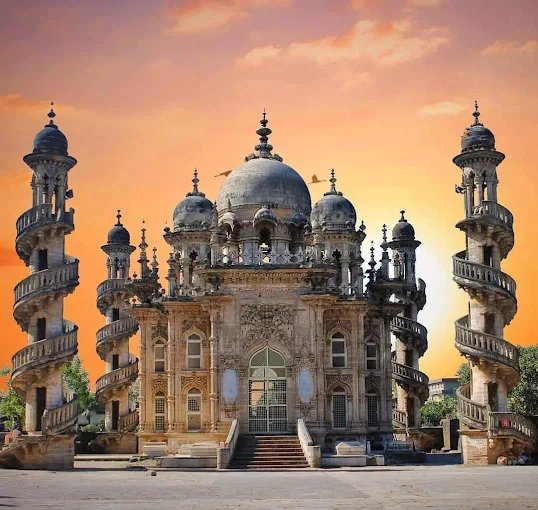
From Bhuj you can take a long but rewarding trip to Dholavira, one of the major Harappan urban sites—spend a few hours exploring the excavated city. Alternatively, head to Mandvi for beaches, the Vijay Vilas Palace and shipbuilding yards. Overnight at Mandvi or back to Bhuj depending on your preference.
Day 8 — Bhuj to Jamnagar and Porbandar (Saurashtra coast)
Drive south into Saurashtra. Visit Jamnagar for its temples and old walled city charms, then continue to Porbandar, the birthplace of Mahatma Gandhi. If time permits, stop at the Kirti Mandir in Porbandar and enjoy the coastal ambience before heading to Dwarka the next day.
Day 9 — Dwarka and Bet Dwarka
Spend a spiritual day in Dwarka, visiting the Dwarkadhish Temple and nearby Bet Dwarka island by boat. Explore the local bazaars and the Gomti Ghat. Dwarka is an important pilgrimage town, so dress respectfully and follow temple rules.
Day 10 — Somnath and Sasan Gir
Travel down the coast to Somnath to visit the famous Somnath Temple, situated dramatically by the sea. In the afternoon proceed to Sasan Gir, the only place in India where you can spot the Asiatic lion in the wild. Overnight near Gir National Park.
Day 11 — Gir National Park Safari
Take an early morning safari in Gir National Park. Pre-book your safari permits and guides through official channels. Besides lions, Gir supports a rich fauna of deer, antelopes, birds and reptiles. Use the afternoon to relax or explore nearby Girnar foothills.
Day 12 — Junagadh and Girnar
Visit Junagadh’s Uparkot Fort and the local museums. If you’re inclined and fit, the Girnar hills offer a pilgrimage trek with ancient temples and panoramic views. The town itself provides a strong sense of regional history and cuisine.
Day 13 — Vadodara and Champaner-Pavagadh
Drive northeast towards Vadodara (Baroda). Explore the Lakshmi Vilas Palace and Baroda Museum. Close by, the Champaner-Pavagadh Archaeological Park—also a UNESCO site—merges fortifications, mosques and a Hindu hilltop shrine over varied terrain; it’s a full-day experience.
Day 14 — Saputara or Surat; departure
For a refreshing finish choose Saputara in the Dang hills—enjoy the hill station air, tribal craft markets and a relaxed boat ride. Alternatively, if your flight/train leaves from the south, visit Surat for textiles, food and the Tapi riverfront before heading to the airport or railway station.
Best Time to Travel and Regional Tips
Gujarat is best visited in cooler months: October to March offers pleasant days and cold nights in desert areas. The Rann of Kutch is spectacular during the full moon and the winter Rann Utsav season. Monsoons transform the southern hills and waterfalls but can make some rural roads difficult.
Transport and Logistics
- Domestic flights: Ahmedabad, Bhuj and Rajkot have airports. Plan to fly in or out of Ahmedabad for best connectivity.
- Road travel: A comfortable private car or self-drive gives flexibility; distances between regions can be long. Trains connect major cities but local buses serve rural stretches.
- Safari bookings: For Gir and Little Rann, book safaris and permits well in advance—official websites and authorised operators are recommended.
Where to Stay
Options range from heritage hotels in cities to eco-resorts and tented camps in Kutch and near Gir. For the Rann, Dhordo’s tented camps offer an immersive desert experience; in Saurashtra, beach resorts in Mandvi and Tata-era mansions in Vadodara and Jamnagar provide comfortable alternatives.
What to Pack and Health Advice
- Layered clothing: Days may be warm and nights quite cool, especially in the Rann and Gir.
- Sun protection: Hat, sunglasses, sunscreen and a water bottle are essential in desert and coastal regions.
- Footwear: Comfortable walking shoes for city walks, trekking sandals for hill temples and sturdy shoes for safaris.
- Medications: Carry basic prescriptions, mosquito repellent for forested areas, and be prepared for remote stretches where pharmacies are limited.
Food, Culture and Etiquette
Gujarati cuisine is predominantly vegetarian, with local variations across regions—do try Kathiawadi thalis, Kutchi seafood specialities along the coast, and sweet snacks like fafda and jalebi in cities. Respect local customs at temples and rural communities—ask before photographing people, and remove shoes where required.
Travel note: Gujarat rewards slow travel. Allow time to linger at craft workshops, chat with local artisans and enjoy sunsets over sea or salt—those are often the most memorable moments.
Alternative Routes and Extensions
If you have more time, add a few days to explore Saputara further, or detour to Diu for a seaside Portuguese heritage experience. Cultural travellers may wish to spend extra days in Bhuj and the Banni villages to study crafts and rural life.
Conclusion
This 14-day Gujarat itinerary covers every major region, balancing heritage, wildlife, salt deserts, coastal temples and hill retreats. Whether you’re tracing ancient trade routes, camping on the Rann’s white flats, or tracking lions in Gir, Gujarat offers varied experiences tied together by resilient local cultures and warm hospitality. Use this plan as a backbone—allow flexibility for local discoveries and you’ll return with a richer sense of India’s western frontier.