3-Day Junagadh and Girnar Itinerary
A compact, well-paced 3-day Junagadh and Girnar itinerary that mixes history, spiritual trekking and wildlife. Perfect for first-time visitors seeking culture, easy adventure and a chance to see the Asiatic lion.
By TravMe Holidays travel team · · 6 min read
This 3-day Junagadh and Girnar itinerary balances history, culture and a gentle dose of adventure — ideal for travellers who want to experience Junagadh’s forts and mausoleums, climb sacred Girnar and, if time allows, catch wildlife at Gir National Park. The plan is crafted for a relaxed pace with practical tips on transport, food and timings so you can make the most of a short trip from Gujarat’s major cities.
Quick overview
Day 1: Arrive in Junagadh, explore Uparkot Fort, Mahabat Maqbara and local markets.
Day 2: Early morning ascent of Girnar — temples, viewpoints and descent; evening at Nilkanteshwar or local bazaars.
Day 3: Optional Gir safari for Asiatic lions or visit Sakkarbaug Zoo and Buddhist caves, then depart.
How to reach Junagadh
Junagadh is well connected by road and rail. The nearest major airports are Rajkot and Diu — regular trains and buses link these cities with Junagadh. Many travellers prefer to drive from Rajkot or Ahmedabad, which gives flexibility to stop at roadside dhabas and smaller sights en route. Within Junagadh, auto-rickshaws and taxis are convenient; for Girnar and Gir National Park, petrol or diesel vehicles are common, but if you prefer not to self-drive, arrange a local cab for the day.
Day-by-day itinerary
Day 1 — Discover Junagadh’s heritage
Morning
- Arrive in Junagadh and check into your hotel. Choose accommodation near the fort area or the main market for easy walking access.
- Start at Uparkot Fort, an imposing fort with long ramparts, ancient stepwells and remnants of Mauryan-era structures. Allow 1.5–2 hours to explore the ramparts, caves and archaeological remains.
Afternoon
- Visit the Buddhist Caves (3rd–4th century) near Uparkot — these rock-cut caves offer quiet reflection and interesting carvings.
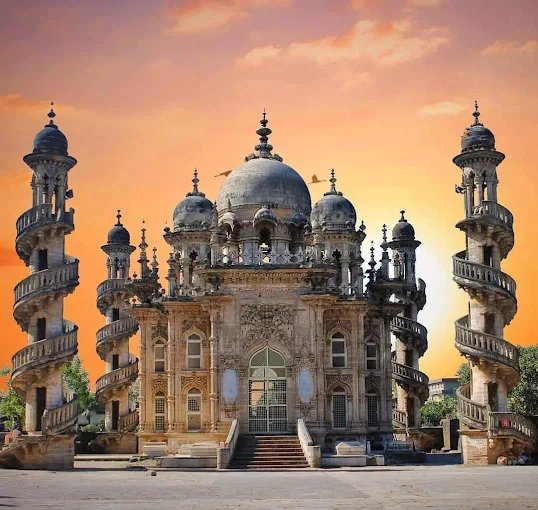
- Head to Mahabat Maqbara, a striking mausoleum with Gothic and Indo-Islamic architecture. The intricate pillars and lacy domes are photo-worthy, particularly in soft afternoon light.
Evening
- Wander through the old bazaars near Andar Bazaar. This is a great time to try local snacks like fafda and jalebi, or pick up local textiles and bandhani pieces.
- Dinner suggestion: a Kathiawadi thali offers robust, flavourful local cuisine. Many small family restaurants around the fort serve excellent regional meals.
Day 2 — Sacred Girnar climb and sunset
Early morning
- Start very early — most climbers begin between 4:00 and 5:00 AM to reach the main temples by sunrise and avoid the heat. The Girnar trek involves around 9,000 steps spread over different ascents and descents, but you can choose shorter routes to some temples if you prefer.
- Carry water, light snacks, a headlamp if starting before dawn and comfortable, non-slip footwear. Respect the religious sanctity — many temples are active places of worship, and photography rules may apply in certain shrines.
Midday
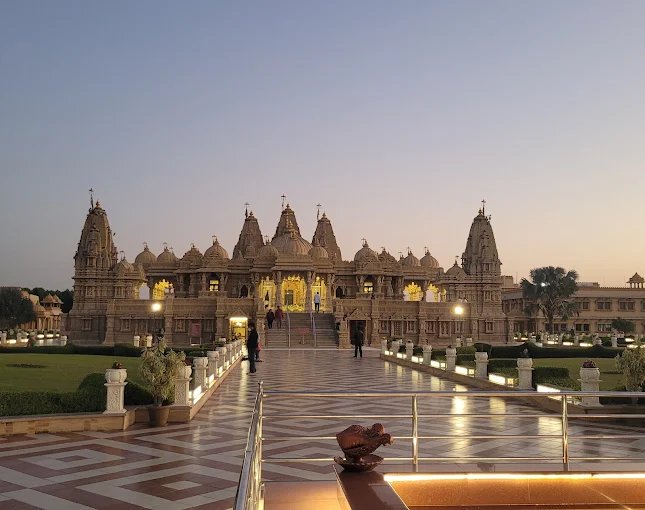
- Explore the cluster of temples at the top and the historic Jain temples on Girnar. Take time to soak in panoramic views across Junagadh and surrounding plains.
- Descend at a steady pace. There are resting points and small tea stalls on the route; use them to rehydrate and rest your knees.
Evening
- Recover at your hotel. A gentle stroll in the evening to see local life or spend time at Sakkarbaug Zoo if you missed it earlier — the zoo has a conservation focus and is pleasant for an easy visit.
- Dinner near the hotel; try local bread, rotla or bajra-based dishes for a hearty meal after the climb.
Day 3 — Gir wildlife or local sights, then depart
Option A: Gir National Park safari (recommended if you want to see Asiatic lions)
- Book an early morning or late afternoon jeep safari well in advance — seats are limited and popular. Official forest department bookings are recommended for authenticity and to support conservation.
- Typical safaris focus on spotting wildlife — Asiatic lions, deer species, various birds and smaller mammals. Follow your guide’s instructions closely; keep a respectful distance from animals and avoid loud noises.
Option B: Junagadh cultural wrap-up
- Visit Bhadra Fort, the Buddhist caves you may have skipped, the Girnar ropeway base (for views) and the historic darbar streets. Spend time at small museums or galleries if you enjoy local history and crafts.
- Lunch in town, then prepare to depart by road or rail in the afternoon.
Where to eat
Junagadh’s food scene blends Kathiawadi spice with Gujarati flavours. Look for small family-run eateries for authentic thalis. Must-try items include:
- Kathiawadi thali — spicy vegetable preparations and rotla.
- Gujarati snacks — fafda, jalebi and khandvi for tea-time.
- Local sweets and street-food items near bazaars. Many lodgings also offer home-style meals on request.
Where to stay
Junagadh has a range of options from budget guesthouses to comfortable mid-range hotels. For convenience, choose accommodation near the fort or the main market so you can walk to several attractions. If you plan an early start for Girnar or a safari, consider staying closer to the Girnar foothills or booking a guided package that includes transfers.
Practical tips and safety
- Best time to visit: October to March for pleasant weather. Avoid mid-summer for the Girnar climb unless you are used to trekking in high heat.
- Permits and bookings: Book Gir safari slots in advance through official channels. Some private resorts arrange safaris too; check credentials before booking.
- Trekking advice: The Girnar ascent is steep in places. Pace yourself, carry water, sun protection and basic first-aid items. It’s a religious site — wear modest clothing and be prepared for many steps and occasional crowds at festival times.
- Wildlife etiquette: On safari, follow your guide’s instructions, do not feed animals, and maintain silence to increase chances of sightings. Keep a safe distance at all times.
- Local customs: Junagadh and Girnar are culturally conservative. Remove footwear before entering temples and ask permission before photographing people in religious contexts.
Packing checklist
- Comfortable walking shoes with grip.
- Light layers for mornings and evenings, and sun protection (hat, sunglasses, sunscreen).
- Reusable water bottle and electrolyte sachets for the trek.
- Basic medications, blister plasters and insect repellent.
- Power bank, camera and photocopies of ID for safari permits.
Tip: If you have just one early morning free, choose Girnar for a spirited sunrise and spiritual experience; if you want wildlife, allocate that morning to a Gir safari and save Girnar for a quieter, less rushed visit.
Responsible travel and conservation
Both Junagadh and Gir sit close to sensitive ecological and cultural sites. Support local conservation by using authorised safari operators, avoiding single-use plastics, and buying local handicrafts. Respect temple rules and avoid disturbing flora and fauna on the trek and in the park.
Sample timings (compact)
- Day 1: 09:00 arrive — 11:00 Uparkot — 13:00 lunch — 15:00 Mahabat Maqbara & caves — 18:00 market — 20:00 dinner.
- Day 2: 04:30 start trek — 07:00 sunrise at summit temples — 10:00 descend — 12:00 rest & lunch — 16:00 short museum visit or zoo — 19:00 dinner.
- Day 3: 05:30 Gir safari or 09:30 local sights — 13:00 lunch & depart.
With comfortable planning and sensible pacing, Junagadh and Girnar make for a memorable 3-day break that combines history, spirituality and wildlife. Whether you come for the climb to Girnar’s temples or for a chance to glimpse the Asiatic lion, this compact itinerary helps you experience the best of the region without rush. Safe travels and enjoy Gujarat’s warm hospitality.