3-Day Varanasi Itinerary: Ghats, Temples and Sarnath
A compact 3-day Varanasi plan that covers the ghats, key temples and the nearby Buddhist site of Sarnath, with practical tips on timings, transport, food and cultural etiquette.
By TravMe travel team · · 6 min read
Varanasi, one of the world's oldest living cities, is an immersive blend of spiritual rhythm, riverfront life and ancient rituals. This 3-day itinerary balances the must-see highlights—sunrise boat rides on the Ganga, the evening Ganga Aarti, and iconic temples—with quieter moments in lanes, markets and the peaceful ruins of Sarnath. It is paced for first-time visitors who want a genuine experience without rushing.
Before you go: practical tips and preparation
Varanasi is intense and sensory—expect crowds, narrow lanes, occasional noise and an abundance of rituals. Pack light breathable clothes for the day, modest attire for temple visits (cover shoulders and knees), comfortable walking shoes and a scarf. Carry bottled water, hand sanitiser and small change for offerings or boatmen. Respect local customs: ask before photographing people, remove shoes before entering temples and accept the city’s rhythm rather than resisting it.
Getting there and around
- By air: Lal Bahadur Shastri Airport is well connected by flights from major Indian metros. From the airport, taxis and pre-paid cabs take you to the old city or Assi area.
- By train: Varanasi Junction and Kashi Vishwanath Terminals serve long-distance trains. Book in advance, especially during festivals.
- Local travel: Walk whenever possible—many experiences are on foot. For longer hops, use cycle-rickshaws, e-rickshaws and app-based taxis. Boats operate from several ghats and can be hired for sunrise or speciality rides.
Best time to visit
Cooler months from October to March are ideal for wandering and boat rides. Summers are hot and humid; monsoon brings a different, quieter charm but some boat activities may be limited due to river conditions. Festivals such as Diwali and Dev Deepawali make the city spectacular but very crowded.
Day 1: Arrival, evening Aarti and a first walk along the ghats
Start your Varanasi journey by settling into accommodation in the old city or Assi Ghat area. Choose a haveli-style guesthouse for character or a hotel near the ghats for quick access to early morning activities.
Afternoon: easy orientation
After arrival and a short rest, take a leisurely walk through the narrow lanes around the ghats. Explore small shops selling brassware, silk, incense and street food. Pop into a local café for chai and a snack. Keep the pace gentle to acclimatise to the sensory overload.
Evening: Ganga Aarti at Dashashwamedh Ghat
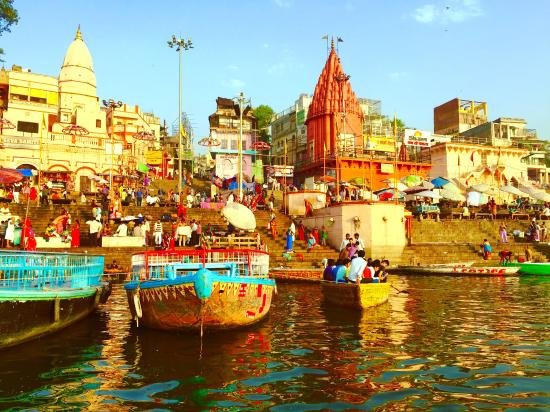
Head to Dashashwamedh Ghat an hour before sunset. The Ganga Aarti is a dramatic, choreographed ceremony led by priests, with rows of lamps, conch shells and devotional songs. Arrive early to secure a decent viewing spot—alternatively, book a boat and watch from the river for a mesmerising perspective. After the aarti, stroll along the lit ghats and observe locals performing puja and floating small diyas.
Day 2: Sunrise boat ride, Kashi Vishwanath and the old city
Early morning: sunrise boat ride
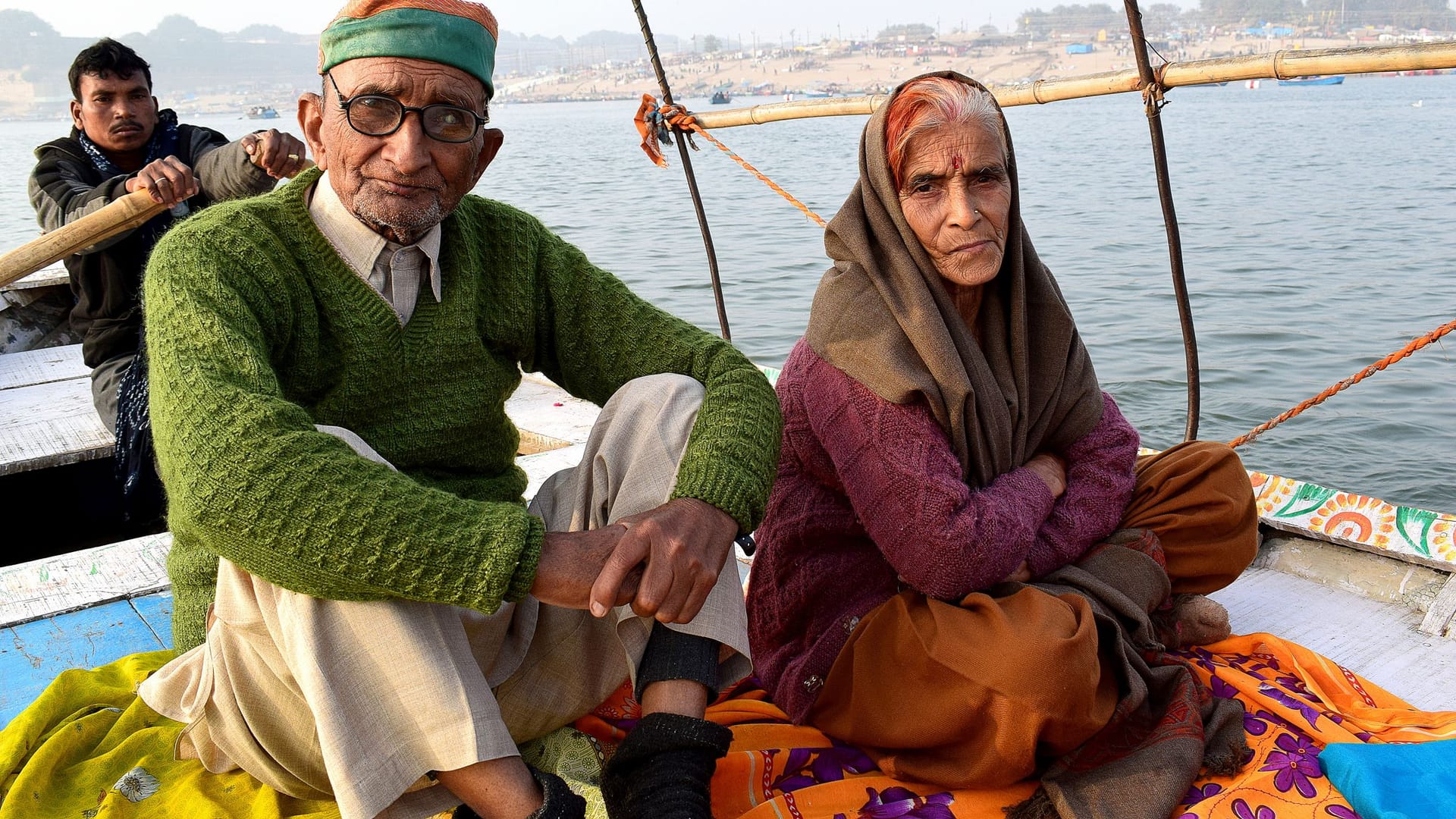
Wake before dawn for a sunrise boat ride along the Ganga. Watch life on the river unfold—bathers, morning pujas, laundry, and temples silhouetted against the rising sun. Ask the boatman to take you from Assi or Dashashwamedh and include quieter ghats such as Harishchandra and Manikarnika in the route. Photograph respectfully and keep conversations hushed to preserve the atmosphere.
Mid-morning: Kashi Vishwanath Temple and the ghats
After your boat ride, return to the lanes and make your way to Kashi Vishwanath Temple. Be prepared for security checks and queues—plan for some waiting time. The temple complex is one of the most sacred for Hindus, with a blend of devotion and history. Nearby, explore Vishwanath Gali for its shops and snacks, and take time to visit the Sankat Mochan Hanuman Temple if your schedule allows.
Lunch and exploring the alleys
Varanasi’s culinary scene ranges from street-side chaat and kachori-sabzi to sit-down thali meals. Try local favourites such as lassi, tamatar chaat, and banafi-style sweets—choose busy, hygienic stalls or a recommended restaurant. Spend the afternoon wandering lesser-known ghats: Tulsi Ghat, with its literary history, and Assi Ghat, which has a relaxed, student-friendly vibe. Stop at a rooftop café for views over the river during late afternoon.
Evening options
If you missed the main aarti the previous evening, you can attend the smaller, equally poignant ceremony at Assi or join a cultural programme that showcases classical music and dance—Varanasi has a rich tradition of music, so check local listings for performances by vocalists, sitar or sarod players.
Day 3: Sarnath and a slower last day in Varanasi
Morning: Sarnath excursion
Sarnath is just a short drive from Varanasi and one of the most important Buddhist pilgrimage sites, where the Buddha gave his first sermon after enlightenment. Visit the Dhamek Stupa, Chaukhandi Stupa and the peaceful archaeological museum that displays Gandharan art and relics. The grounds are serene and shaded—allow a few hours for reflection and photography.
Midday: back to the city for temples and museums
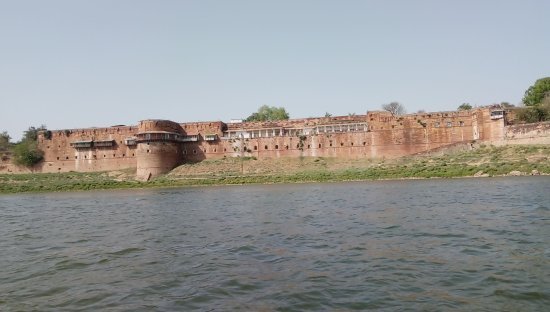
Return to Varanasi for a relaxed lunch. Use the afternoon to visit places you may have missed earlier, such as the Ramnagar Fort across the river, which houses a quirky museum of vintage cars, royal artefacts and costumes. Alternatively, explore the Banaras Hindu University campus, which has calm grounds and the Bharat Kala Bhavan museum for textiles and miniature paintings.
Late afternoon: shopping and culinary discoveries
Buy souvenirs like Banarasi silk sarees, scarves, brassware and locally crafted religious items. Haggle politely in the bazaars and get items checked for quality. For a final culinary indulgence, try a traditional thali or street-side desserts—ensure you pick clean, popular outlets to avoid upset stomachs.
Cultural etiquette, safety and health tips
- Photography: Always ask before photographing people, especially during puja or rituals. Some temple interiors do not allow cameras.
- Temple etiquette: Remove shoes, be modestly dressed, and be respectful during rituals. Follow signs and staff instructions in sacred spaces.
- Safety: Keep valuables secure in crowded lanes. Use registered taxis or autorickshaws, and agree a fare or use the meter/app before starting.
- Food & water: Eat at clean establishments. Prefer bottled water and avoid raw salads from street vendors if you have a sensitive stomach.
- Responsible travel: Avoid throwing plastic into the Ganga, decline the offer of animal oil massages or questionable rituals at cremation ghats, and be mindful of local sensitivities at cremation grounds and prayer sites.
Tip: A guided walking tour with a local can add rich context to the city’s history, rituals and hidden lanes—consider one for your first morning.
Pacing options and alternative ideas
If you prefer a slower pace, drop the Ramnagar Fort visit and spend more time along a few chosen ghats, watching life and engaging with local artisans. For those interested in music and classical arts, seek a gharana performance or a short workshop in vocal or instrumental music. Photographers may wish to plan extra early mornings for soft light and quieter scenes.
Where to stay: neighbourhood suggestions
- Old City (near Kashi Vishwanath / Dashashwamedh): Best for immediate access to major temples and the Ganga Aarti; expect narrow lanes and vibrant street life.
- Assi Ghat: Offers a slightly calmer atmosphere with cafés, guesthouses and easy access to boats for sunrise rides.
- Civil Lines / Cantonment: Quieter, more modern hotels and wider roads; suitable if you prefer a less chaotic base.
Final thoughts
Varanasi is a city to be experienced rather than simply visited. With three days, you can witness the grand rituals, touch the spiritual core at Kashi Vishwanath and soak in the peaceful atmosphere of Sarnath. Move at the city’s pace, be respectful of local customs and allow moments of quiet contemplation between the vibrant street scenes. Leave with an open mind—Varanasi’s impressions often stay with you long after you travel on.