3-Day Leh Itinerary: Monasteries, Palaces and Markets
A compact, well-paced 3-day Leh itinerary focused on monasteries, palaces and markets — ideal for first-time travellers to Ladakh who want culture, scenic views and local shopping in a short trip.
By TravMe Holidays travel team · · Updated · 7 min read
Leh is a small town with an enormous soul: high-altitude monasteries perched on cliffs, a royal palace that watches over the valley, and lively markets where local handicrafts and Ladakhi flavours come alive. This 3-day Leh itinerary is designed for travellers who have limited time but want a rich, slow-paced experience — prioritising acclimatisation, iconic cultural sites and authentic market strolls.
Before you go: acclimatisation, permits and practical tips
Leh sits at around 3,500 metres (11,500 ft). Your comfort and safety depend on gradual acclimatisation and sensible planning. Fly or drive to Leh, carry valid photo ID, and check any required permits — inner line permits are necessary for some areas beyond Leh. Keep travel days light on arrival, hydrate frequently, avoid alcohol for the first 24 hours and listen to your body.
Pack warm layers, a good pair of walking shoes, sunscreen, sunglasses, a hat and a reusable water bottle. Carry a small first-aid kit with altitude sickness medication if recommended by your doctor. Mobile connectivity can be patchy; download maps and important info in advance.
How to use this 3-day plan
Each day is arranged to balance sightseeing with rest. Day 1 focuses on acclimatisation and iconic monasteries close to Leh. Day 2 explores the palace, Shanti Stupa and the surrounding markets. Day 3 is a relaxed loop to nearby gompas (monasteries) and a final market visit for souvenirs.
If you feel unwell at any time, postpone exertion and seek medical help. You can reshuffle the order to suit temple opening hours or festivals, and consider hiring a local driver or guide to make transfers smooth and informative.
Day 1: Easy arrival and the spiritual highlights
Morning — arrival and rest
Arrive in Leh and transfer to your hotel. Depending on arrival time and how you feel, keep the morning low-key: unpack, sip warm fluids, and take short walks near your accommodation. Avoid heavy trekking or long drives on the first day.
Afternoon — Leh Palace and Sankar Gompa
After lunch and a short rest, head to the Leh Palace. Modeled after Tibetan palaces, it offers panoramic views of the town and surrounding ridges. The palace’s architecture and the small museum inside give good context to Ladakh’s royal past and the region’s Himalayan culture.
From the palace, continue to Sankar Gompa, a smaller monastery close to Leh that’s quieter than the larger gompas. The gompa’s prayer halls, murals and Tibetan Buddhist rituals provide an intimate introduction to local religious life.
Evening — light walk and acclimatisation
Finish the day with a gentle stroll through Leh’s quieter lanes near the market area. Keep activities short to aid acclimatisation. A warm dinner with simple, nourishing food will help you rest well for the next day.
Day 2: Monasteries, Shanti Stupa and Leh Market
Morning — Hemis or Thiksey (choose one)
Start early and choose one major monastery for a fuller experience:
- Hemis Monastery — Located south of Leh, Hemis is the largest and one of the most influential monasteries in Ladakh. Known for its annual Hemis festival, it houses a valuable collection of thangkas and ancient artefacts. The drive there offers wide valleys and dramatic mountain views.
- Thiksey Monastery — Perched on a hill, Thiksey resembles Potala Palace in miniature. Its multi-storey complex contains colourful shrines and a large Maitreya Buddha statue that’s particularly impressive at sunrise or early morning light.
Both options involve short drives of 30–90 minutes from Leh; hire a driver or join a guided trip for smooth transfers and local commentary.
Afternoon — Shanti Stupa for views and sunset
Return towards Leh and visit Shanti Stupa, an iconic white-domed stupa on a ridge above town. The stupa was built as a symbol of world peace and offers sweeping sunrise and sunset vistas over the Indus Valley. It’s a short uphill walk from the parking area; the path is well maintained but bring a light jacket for the breeze.
Evening — Leh Market and local dinner
Spend the evening immersed in the Leh Market. This compact bazaar is perfect for browsing handicrafts, traditional Pashmina shawls, silver jewellery, prayer wheels and thangkas. Chat with shopkeepers and consider buying directly from cooperative outlets that support local artisans.
Taste Ladakhi cuisine at a local eatery — try thukpa, momos or a simple apricot-based dish. End the night with a relaxed cup of butter tea or local herbal tea.
Day 3: Local gompas and last-minute shopping
Morning — Shey Palace and Thiksey (if not visited)
If you didn’t visit Thiksey on Day 2, start the day at Shey Palace, a short drive from Leh. Historically the summer palace of Ladakhi kings, Shey has a peaceful palace complex and an old temple that reflects Ladakh’s royal and religious history. The surrounding fields and river views are calming and perfect for light photography.
Midday — Stok or Spituk Gompa
Choose one of the smaller gompas close to Leh for a quieter, deeper cultural interaction:
- Spituk Gompa — Close to Leh, Spituk is accessible and offers commanding views of the Indus valley. The monastery has a rich collection of religious artefacts and a calm assembly hall.
- Stok Gompa — If you prefer a scenic drive with a compact monastery experience, Stok and its palace provide a gentle exploration of local heritage and avenues for short walks in the surrounding village.
Afternoon — final market stroll and souvenirs
Return to Leh for a relaxed afternoon of last-minute shopping. Look for:
- Pashmina and cashmere scarves
- Thangkas and miniature paintings
- Handmade silver jewellery and traditional Ladakhi designs
- Local food items like apricot jam, dried fruits and spice blends
Seek out stalls that let you feel materials and ask about the origin of goods. If you prefer ethical shopping, ask whether items come from local co-ops or family artisans.
Practical suggestions and safety tips
- Hydration and food: Sip water regularly, avoid heavy meals on arrival and eat warm, easily digestible food during the first 48 hours.
- Altitude: Signs of acute mountain sickness include severe headache, dizziness, nausea and shortness of breath. Descend and seek medical help if symptoms worsen.
- Transport: Hiring a local driver for the day is convenient and common; they understand road conditions and local etiquette. If you rent a bike or car, ensure you are comfortable driving at high altitude and on narrow mountain roads.
- Respectful behaviour: Monasteries are active religious sites. Dress modestly, remove shoes where required, and ask before photographing monks or rituals.
- Cash and cards: ATMs are available in Leh but can be inconsistent. Carry some cash for smaller purchases in markets and remote stops.
Tip: Mornings and late afternoons are often the best times to visit monasteries to catch prayer sessions and avoid crowds.
Optional excursions and extensions
If you have extra time or want to trade one day for an outdoor experience, consider these nearby options:
- Magnetic Hill, Gurudwara Pathar Sahib and the confluence of the Indus and Zanskar rivers — a classic half-day circuit from Leh.
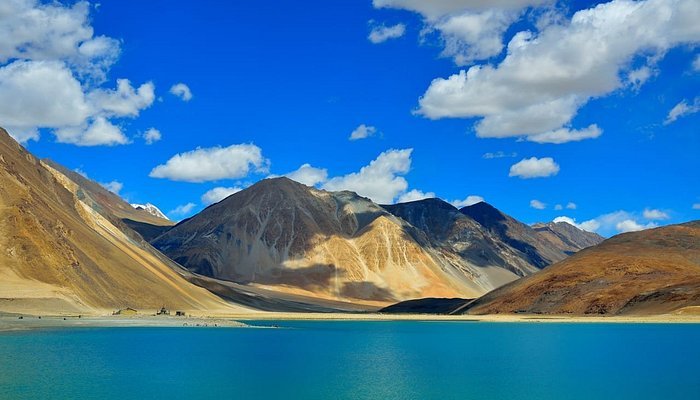
- Pangong Tso or Nubra Valley — both require longer drives (or an overnight stay) but offer dramatic landscapes and different cultural experiences.
- Short treks around Leh — easy day walks to vantage points for sunrise or local village trails to observe rural Ladakhi life.
Where to stay and eat
Leh has a range of accommodation from guesthouses and homestays to mid-range hotels and heritage properties. Choose a place close to the market or at a slightly higher elevation for better views and quieter nights. For food, many cafés in Leh cater to travellers with a mix of Indian, Tibetan and continental dishes — they are perfect for sampling regional flavours in clean, traveller-friendly settings.
Responsible travel notes
Respect local customs and the fragile mountain environment. Avoid single-use plastics, dispose of waste properly, and consider supporting community-run businesses or sustainable homestays. When visiting monasteries, follow guidelines about donations and photography.
Leh can be an intensely memorable destination even on a short trip. This 3-day plan balances culture, calm and market discoveries so you leave with a clear sense of Ladakh’s heritage and the quiet energy of its high valleys.
Conclusion: In three days you can taste the essence of Leh — its monasteries, a royal palace and bustling markets — while allowing for proper acclimatisation and moments of quiet reflection. Move slowly, prioritise safety, and savour each view; Leh’s magic often arrives in small, unhurried moments.