2-Day Varanasi Itinerary for First-Time Visitors
A compact, well-paced 2-day Varanasi itinerary for first-time visitors covering sunrise boat rides, Ganga aarti, temples, local food, Banaras silk, Sarnath, and practical travel tips to make the most of your trip.
By TravMe travel team · · 7 min read
Varanasi is intense, spiritual and wonderfully chaotic — a city that needs careful pacing to absorb. This 2-day itinerary is built for first-time visitors who want to see the soul of Banaras: the ghats and Ganga rituals, the narrow alleys of the old city, the sacred temples, local cuisine and a reflective visit to nearby Sarnath. It balances must-see sights with time to sit, watch and breathe in the atmosphere.
Before you go: practical tips
Plan your visit considering Varanasi's heat and crowds. The best way to experience the city is early morning and after sunset — when the ghats come alive. Pack comfortable walking shoes, a light scarf or shawl (for temple visits and sun protection), bottled water, sunscreen and a small torch for narrow lanes in the evening. Dress modestly out of respect for religious spaces. Keep photocopies of your ID and avoid carrying too much cash; most places accept digital payments but small vendors may prefer cash.
Getting there and around
- By air: Lal Bahadur Shastri Airport (BHU) is close to the city; take a pre-paid taxi or app cab to your hotel.
- By train: Varanasi Junction and Kashi Vishwanath Corridor proximity make rail an excellent option from many Indian cities.
- Local transport: For the old city and ghats, walking is best. Rickshaws, e-rickshaws and app-cabs work for longer distances. Negotiate fares for cycle rickshaws or use metered taxis where available.
Where to stay
Choose accommodation near the ghats (Dashashwamedh, Assi or Manikarnika area) if you want easy access to sunrise boat rides and evening aarti. There are heritage guesthouses, budget hotels and mid-range riverside stays. Booking a place with a rooftop or river view will enhance your experience, but quieter lanes slightly away from the busiest ghats offer better sleep.
Day 1: Sunrise, ghats and old-city exploration
Day 1 focuses on the river, rituals and walking the labyrinthine old city. Start very early; the city is most evocative at dawn.
Early morning: Sunrise boat ride on the Ganga
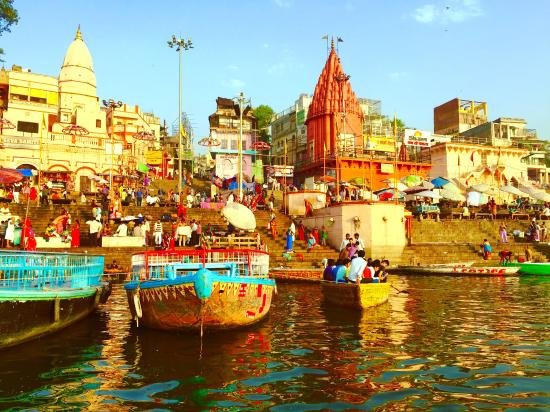
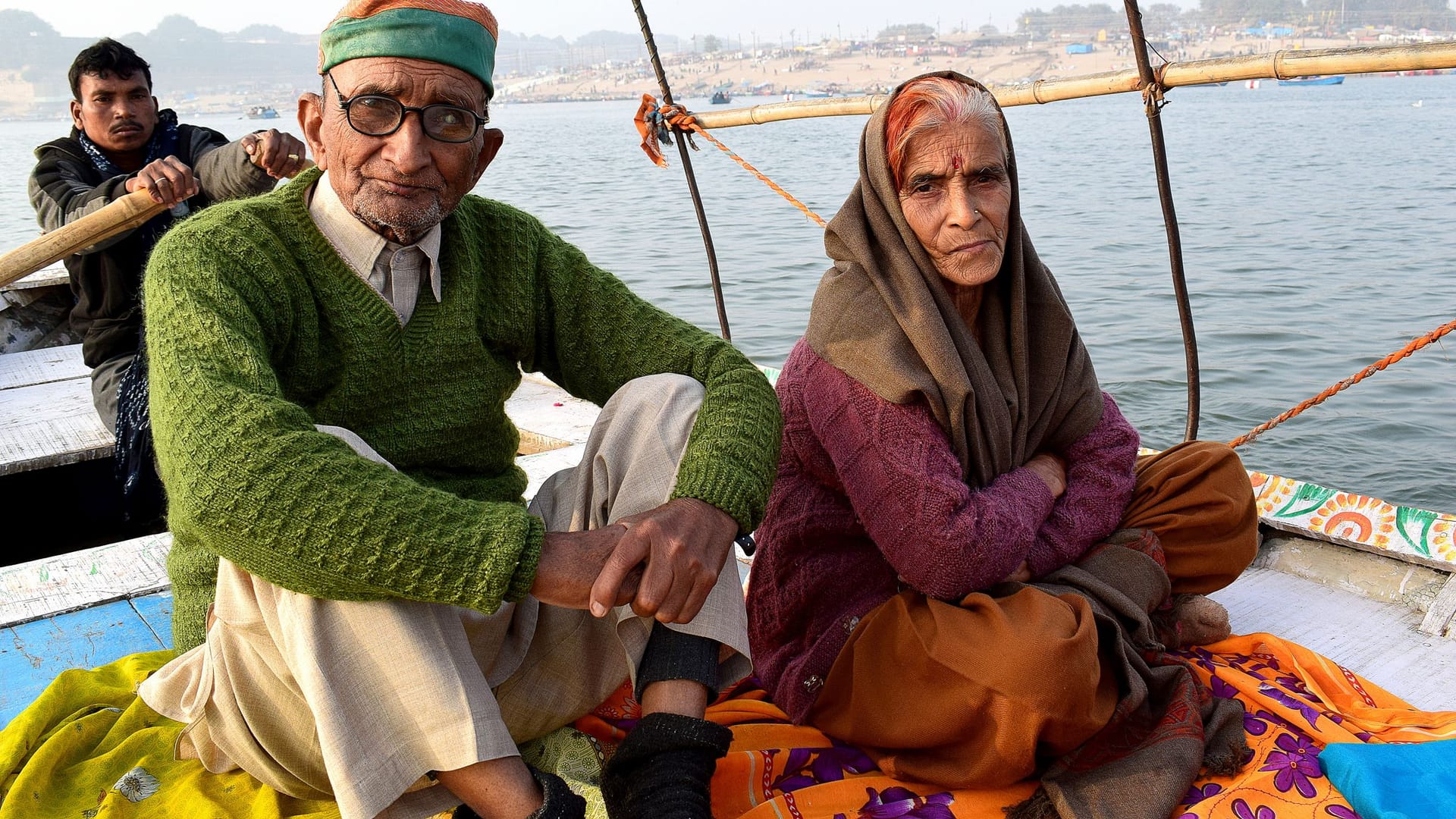
Wake up before sunrise and head to a ghat for a boat ride. The experience of drifting among hundreds of steps, watching priests perform morning rituals and seeing the first light touch the temples is unforgettable. Hire a boat from Assi or Dashashwamedh ghat. Sit back and let your boatman point out key ghats: Assi, Dasashwamedh, Scindia, Kedar Ghat and more. Keep your camera handy, but also allow yourself to simply observe.
After the boat ride: Walk the ghats and attend rituals
Once ashore, walk along the ghats. The early hours are when you can watch pilgrims bathing, priests chanting and local life waking up. Visit the Kashi Vishwanath Corridor area for an external view and to understand the connective fabric of the city. Respect photography rules at religious ceremonies and check before taking pictures of individuals.
Late morning: Explore the old lanes and markets
Head into the narrow lanes behind the ghats. These alleys are full of temples, incense shops, tiny sweet stores and silk merchants. Key streets around Vishwanath Temple are a sensory overload—brassware, scarves, paan shops and banarasi brocades. Take time to visit a traditional Banarasi sari workshop if you’re interested in handloom silk.
Lunch: Local flavours of Banaras
Enjoy a late morning or early lunch at a clean, well-regarded local eatery. Try kachori sabzi, chena (cottage cheese) dishes, and finishing with a thandai or malaiyo if in season. Street food in Varanasi is brilliant but be selective—choose busy stalls with high turnover and clear hygiene practices.
Afternoon: Temples and museums
Use the quieter afternoon hours for temple visits and a relaxed museum stop. If you want to enter the Kashi Vishwanath Mandir, check the queue and security procedures—carry minimal belongings. Another option is to visit the Bharat Mata Temple and explore its unique map relief. The Varanasi Ghats Museum and Central Hindu University campus provide historical context and green space to rest.
Evening: Ganga Aarti at Dashashwamedh Ghat
Return to the ghats well before sunset to secure a good spot for the Ganga Aarti at Dashashwamedh. The ceremony is a major highlight: synchronized lamps, chanting and a dramatic presentation by priests. You can watch from the ghat itself, from a boat on the river or from a rooftop café overlooking the ghats. Expect crowds; arrive early and keep valuables secure.
Day 2: Sarnath and deeper cultural experiences
Day 2 shifts to the quieter, contemplative side: Sarnath and cultural immersion within the city. Sarnath is a short drive away and offers a calm contrast to Varanasi’s bustle.
Morning: Sarnath — where Buddhism took root
Head to Sarnath early to avoid crowds. Visit the Sarnath Museum to see important Buddhist relics and the Lion Capital of Ashoka replica. Walk the archaeological park with its stupas, ruins and the famous Dhamek Stupa. Sarnath's serene gardens are ideal for reflection and photography. Allow at least a few hours to appreciate the site and its museum.
Lunch and afternoon: Back to Varanasi’s crafts and culinary trail
Return to Varanasi and spend the afternoon exploring its crafts and culinary workshops. Visit a Banarasi weaving unit if you didn't on Day 1. You might also book a cooking demonstration or tasting tour that takes you through sweet shops, paan makers and artisan chocolatiers who have reimagined local sweets.
Late afternoon: Rooftop tea and sunset at Assi Ghat
Take tea at a rooftop café, preferably overlooking Assi Ghat. This is a lovely spot for people-watching and a calmer sunset compared to Dashashwamedh. If you’re up for it, join a yoga class or chant session that some guesthouses and ashrams offer at dusk.
Evening: Offbeat experiences
Your final evening can be quieter and more personal. Consider a private boat ride for a different angle on the ghats, attend a classical music concert if schedules align (Banaras is a hub for Hindustani classical music), or simply stroll the lit alleys tasting local snacks. End with a relaxed dinner at a rooftop restaurant serving traditional Banarasi dishes.
Safety, etiquette and health
- Respect religious customs: remove shoes where required, cover shoulders and knees in temples, and ask before photographing people in rituals.
- Street food caution: choose busy stalls, avoid raw salads and be careful with tap water; use bottled or filtered water.
- Personal safety: keep valuables secure, prefer well-lit lanes at night, and use trusted transport options after dark.
- Boat safety: always ask about life jackets and avoid overcrowded boats; listen to the boatman’s guidance.
Tip: Carry small change for offerings, prasad and temple fees. It helps avoid awkward fumbling during rituals and supports local vendors.
Packing checklist
- Comfortable walking shoes and light cotton clothing
- Scarf or shawl for temples and sun protection
- Reusable water bottle, sunscreen, hat and sunglasses
- Basic medicines, hand sanitiser, wet wipes and ORS packets
- Power bank, extra phone storage for photos and a small torch
Optional extras and alternative suggestions
If you have more energy or want to replace an item in this itinerary, consider these options:
- Attend a classical music or dance performance – check schedules at cultural centres or university venues.
- Visit the Lanka and Tulsi Manas temples for literary and mythological interest.
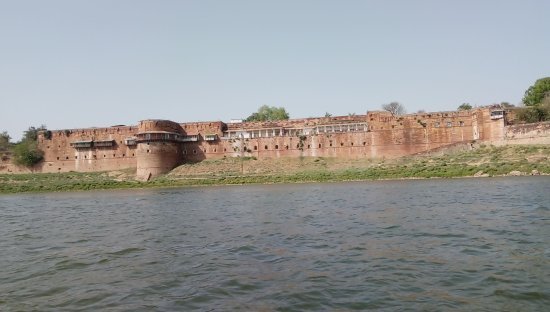
- Explore the Ramnagar Fort across the river for a historical perspective and its museum exhibits.
- Book a guided walking tour of the old city to unearth hidden temples, workshops and stories you might miss on your own.
Final tips for first-time travellers
Varanasi is a city to be felt rather than rushed. Allow time to sit on a ghat step, watch the river and absorb the rituals without chasing every landmark. Stay flexible with plans — delays and detours often lead to the most memorable moments. Be curious, be respectful and let the city’s rhythm guide you. With two days done right, you’ll leave with vivid memories and a longing to return.
Conclusion: This 2-day Varanasi itinerary covers the essentials — sunrise on the Ganga, the Ganga Aarti, alleyway discoveries, a contemplative visit to Sarnath and rich culinary and craft experiences. Pace yourself, carry patience and an open heart, and Varanasi will reward you with impressions that stay long after you leave.