2-Day Ayodhya Itinerary: Temples, Ghats and Evening Aarti
A practical 2-day Ayodhya itinerary that covers the city's must-see temples, serene ghats, and unforgettable evening aarti experiences, with tips on timing, transport, food and where to stay.
By TravMe travel team · · 7 min read
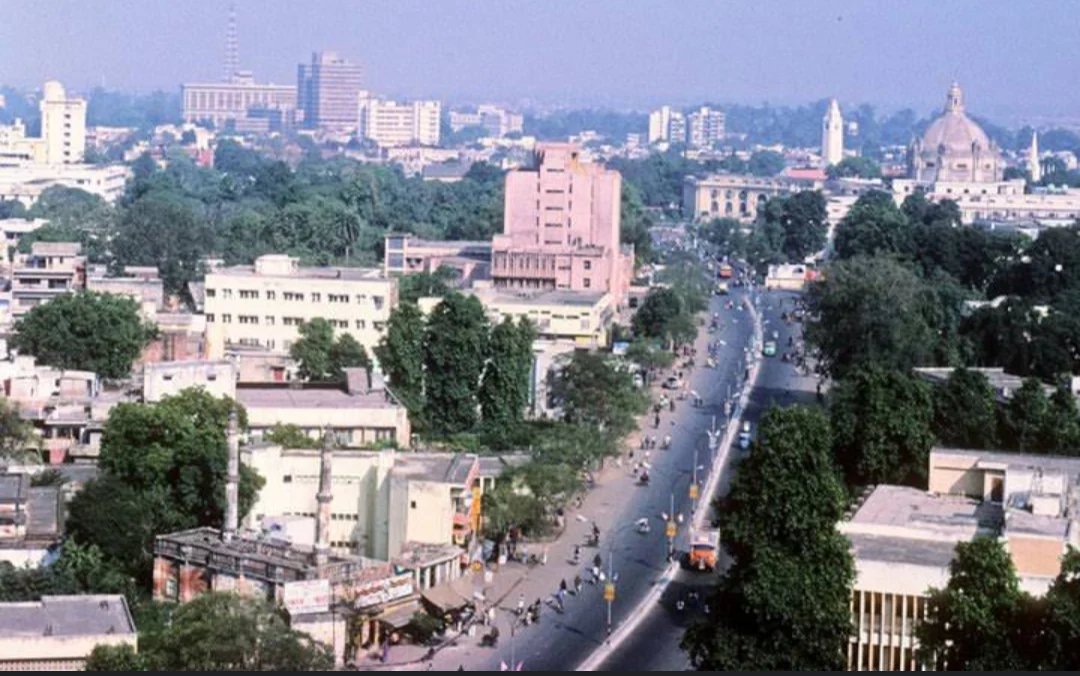
Ayodhya is a city of layered history, devotional energy and riverside calm. This 2-day itinerary is designed to help you experience the spiritual heart of Uttar Pradesh — from the iconic temples and quiet ghats to a memorable evening aarti — while leaving space for relaxed exploration and local flavours.
Before you go: practical information
Ayodhya is accessible by road and rail, with the nearest major airports at Lucknow and Varanasi. The city centre is compact; most core attractions are within a short drive or a comfortable rickshaw ride. Keep a copy of identity proof handy for certain temple entries and expect basic security checks at major pilgrimage sites.
Best time to visit
- October to March offers pleasant weather — ideal for morning and evening walks along the Sarayu.
- Avoid the peak summer months (April to June) when temperatures rise significantly.
What to pack
- Light, modest clothing suitable for temple visits; a scarf or shawl for women and a kurta for men can be useful.
- Comfortable footwear for walking; note that many temple areas require shoes to be removed.
- Reusable water bottle, sunscreen, hat, and basic medicines.
- A small torch or phone power bank for early morning or late evening outings.
Day 1: Arrival, riverfront and major temples
Morning — Arrival and Hanuman Garhi
Arrive in Ayodhya and check into your hotel or guesthouse. Begin your pilgrimage with Hanuman Garhi, an iconic hilltop shrine dedicated to Lord Hanuman. The climb or stairs up to the temple offers a panoramic view of the city roofs and the distant river; arrive early to avoid crowds and heat. The atmosphere here is devotional and energetic, with bells, bhajans and flower offerings.
Late morning — Ram Janmabhoomi complex
Next, proceed to the Ram Janmabhoomi complex, the focal point of modern Ayodhya. The area around the complex has been developed with wide walkways and viewing areas. Spend time at the surrounding plazas, read the informational displays, and take a moment by the nearby gardens. Respect signage and any restricted areas, and follow guidance from temple staff.
Lunch — Local flavours
Choose a nearby restaurant or dhaba offering North Indian and Awadhi cuisine. Ayodhya’s simple vegetarian fare includes kachori, chole, dal, and lassi. If you prefer lighter options, try local seasonal fruits and fresh chaats from well-regarded outlets.
Afternoon — Kanak Bhavan and Nageshwarnath
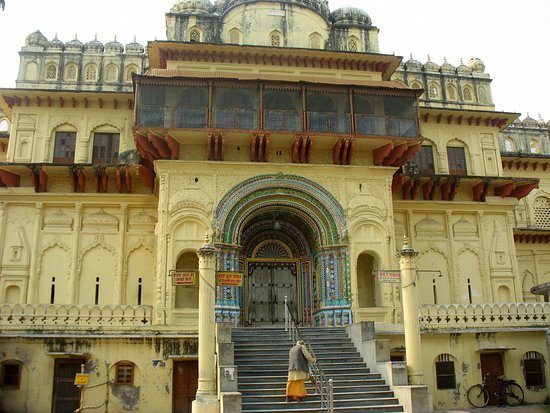
After lunch, visit Kanak Bhavan, a pretty temple with fine architecture and an intimate atmosphere dedicated to Lord Rama and Sita. Follow this with Nageshwarnath Temple, an ancient shrine with significant mythological ties. The afternoon light is good for temple photography and quiet reflection. Allow time to speak with temple priests if you wish to understand rituals and local customs.
Evening — Saryu Ghats and a calm riverside walk
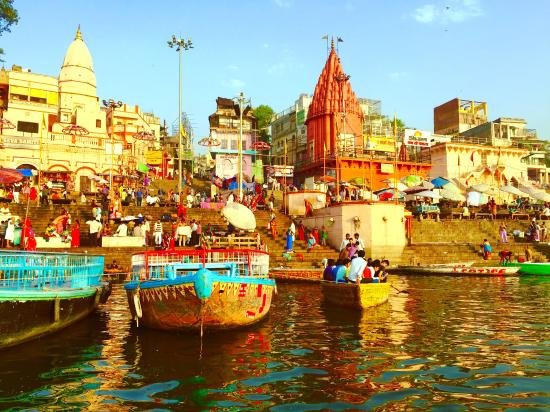
Head to the Sarayu River ghats for an early evening stroll. The ghats are a core part of Ayodhya’s spiritual life: devotees offer prayers, perform rites, and bathe in the sacred waters. The setting sun often creates a golden glow that is ideal for contemplative moments. If you’re drawn to longer walks, follow the riverside path towards the more secluded ghats to enjoy the cooling breeze.
Dinner and rest
Return to your accommodation for dinner. Many hotels offer vegetarian thalis or casual dining. Early rest will help you rise refreshed for the next day’s dawn activities.
Day 2: Dawn aarti, lesser-known shrines and cultural exploration
Early morning — Sunrise and the Dawn Aarti at Ram ki Paidi
Start before sunrise and make your way to Ram ki Paidi or a ghatside aarti location where morning rituals are performed. The dawn aarti is less crowded than the evening ritual and has an intimate, soulful quality. Arrive early to secure a peaceful spot, listen to the Vedic chants, and observe devotees offering lamps and flowers into the river. Camera etiquette: be discreet and respectful; some priests or elders may request no photography during certain rituals.
Mid-morning — Explore the ghats and Rao Bahadur Bazar
After the aarti, wander along the ghats to observe morning ablutions and local life. Visit small ashrams and mendicant camps; many ascetics engage with visitors kindly and will share stories about the city’s traditions. Head back into the old bazaar areas such as Rao Bahadur Bazar to see handicrafts, religious goods, and local sweets. This is a good place to pick up souvenirs like prayer beads, small brass idols, or regional sweets packaged for travel.
Lunch — Try traditional Awadhi cuisine
For lunch, seek out places that specialise in Awadhi dishes. While Ayodhya is primarily vegetarian due to its religious ambience, Awadhi cuisine offers rich gravies, subtle spices and slow-cooked flavours. Ask locals or your host for recommendations to find the most authentic, hygienic options.
Afternoon — Up-close with lesser-known temples
Spend your afternoon visiting temples that are quieter but historically significant. Consider Bharat Kund, where Bharat is said to have performed rituals for his brother, and Treta Ke Thakur — each site has its own mythological resonance and quieter atmosphere. These shrines provide a deeper sense of connection to the Ramayana’s living traditions and are often less crowded than the major landmarks.
Late afternoon — Museum or interpretive centre
If interested in history and archaeology, visit a local museum or the interpretive centre near the main temple complex. These spaces usually display artefacts, replicas and panels explaining Ayodhya’s layered past — from ancient texts and architecture to more recent developments. Spending an hour here helps contextualise what you’ve seen around the city.
Evening — Signature Evening Aarti
Conclude your visit with the evening aarti at one of the main ghats. The evening ritual tends to be more elaborate — lamps, conch shells, devotional songs and large groups of participants create a moving spectacle. Arrive early to find a good vantage point; many visitors choose to sit on the steps while local families and priests coordinate the ceremony. Participate respectfully, following local customs when offered a floating lamp or prasad.
Accommodation and transport suggestions
Ayodhya offers a range of accommodations from simple lodges to well-appointed hotels and ashram guesthouses. Choose a place close to the river or the main temple complex if you want to be within walking distance of ghats and evening aarti venues.
- For convenience, select hotels that provide early breakfast and help arrange local guides or transport.
- Auto-rickshaws and cycle-rickshaws are common for short hops; for air-conditioned comfort, book a taxi for full-day sightseeing.
- Consider hiring a licensed local guide for one of your days to deepen your understanding of rituals, myths and architectural features.
Tips for a respectful, stress-free visit
- Dress modestly and remove footwear when entering temples. Carry socks if the ground is hot or cold.
- Ask permission before photographing priests, devotees or intimate rituals. Many people appreciate a polite request.
- Keep noise to a minimum around ghats, especially during aarti and early morning prayers.
- Carry small notes for donations in temples; many devotees also offer flowers and sweets rather than cash.
- Avoid littering on the ghats; use allocated bins or take waste with you. The sacred river and adjoining steps are sensitive spaces.
- Stay hydrated and pace your visits — two days gives you enough time to experience major rituals without rushing.
Tip: If you can extend your stay by a day, use it to explore nearby pilgrimage towns or deeper into Ayodhya’s neighbourhoods where local storytellers and priests reveal lesser-known lore.
Food and local specialties
Ayodhya’s culinary scene is quietly rooted in vegetarian Awadhi traditions. Seek out local sweets, milk-based confections, and seasonal fruit. Snacks like kachori, samosa, and chaat are widely available; for a fuller meal, try a proper thali. When in doubt, ask hotel staff for trusted places to eat — many pilgrim towns have a few well-loved eateries that are hygienic and authentic.
Safety and health
Ayodhya is generally safe for travellers, including solo travellers and families, but usual precautions apply. Keep valuables secure, avoid isolated areas after dark, and use registered taxis if travelling late. Drink bottled or boiled water if you are sensitive to local water. Carry basic medicines for stomach upsets and consult local medical facilities if needed.
Conclusion
Two days in Ayodhya allow you to soak in the city’s devotional rhythm: morning rituals by the Sarayu, visits to major and smaller temples, market walks and a memorable evening aarti. Move at a calm pace, respect local customs, and you’ll leave with a deeper appreciation of one of India’s oldest living pilgrimage cities.