2-Day Cherrapunji Itinerary for Waterfalls, Caves and Viewpoints
A compact 2-day Cherrapunji (Sohra) itinerary focused on the Seven Sisters Falls, other waterfalls, cave systems and panoramic viewpoints—ideal for nature lovers wanting a well-paced weekend trip.
By TravMe Holidays travel team · · Updated · 7 min read
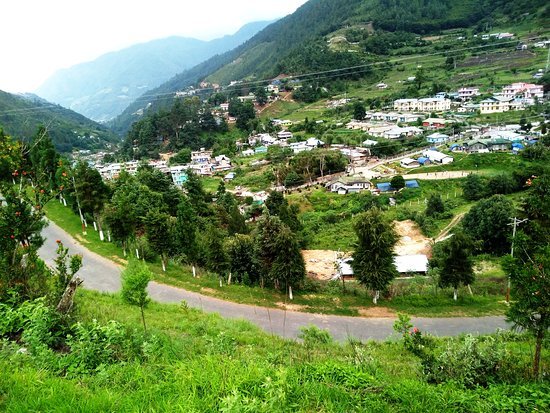
Cherrapunji (Sohra), tucked in Meghalaya’s Khasi Hills, is a lush playground of plunging waterfalls, living root bridges and vast viewpoints. This 2-day itinerary balances iconic attractions like the Seven Sisters Falls with lesser-known caves and scenic stops so you can experience the best of Cherrapunji without feeling rushed.
Before you go: practical tips and timing
Cherrapunji sits about 54 km from Shillong and is accessible by road. The weather is famously wet—carry quick-dry clothing and waterproof gear year-round. The best visibility for waterfalls and viewpoints is often after a dry spell, but even in monsoon months the landscape is dramatic. Roads in Meghalaya can be narrow and winding; allow extra travel time between sights.
When to visit
- Post-monsoon (October–March): clearer skies and cooler temperatures, good for viewpoints and walking trails.
- Monsoon (June–September): waterfalls are at their fullest; trails may be slippery and some areas could be restricted for safety.
How to get there
- From Shillong: Shared taxis and private cabs are common. A private taxi gives flexibility to stop at viewpoints en route.
- From Guwahati: Buses and shared cabs run to Shillong; from Shillong you can continue to Cherrapunji.
Packing essentials
- Light waterproof jacket and poncho; a compact umbrella.
- Sturdy walking shoes with good grip; extra socks.
- Daypack with water, snacks, power bank and a small first-aid kit.
- Binoculars and a camera with a protective cover for misty conditions.
- Flashlight for caves and early morning/late evening walks.
Day 1: Classic Cherrapunji – Waterfalls and Viewpoints
Start early to make the most of the day. Day 1 focuses on the famous waterfalls and panoramic viewpoints that define Cherrapunji’s dramatic terrain.
Morning: Seven Sisters (Nohsngithiang) and nearby falls
Head first to the Seven Sisters Falls (locally Nohsngithiang), best viewed in the morning light when the mist often clears. The falls cascade over a long face—during heavy rains several separate streams form, hence the name. Nearby, you can also visit:
- Elephant Falls: Often included on the same route; a series of drops framed by rich vegetation.
- Wehrisyrpui (Dainthlen) viewpoint: Offers a sweeping view of the valley and surrounding cliffs.
Tips: Take time to walk to the best vantage points rather than relying only on road-side views. Early morning light is kinder for photography and there are fewer tourists.
Lunch: Local flavours and rest
Return to Cherrapunji village or a local eatery en route for a hearty Khasi meal. Try simple, local dishes like steamed rice, pork or fish curries and seasonal greens—these will keep you energised for the afternoon hikes.
Afternoon: Nohkalikai and viewpoint hopping
Nohkalikai Falls is one of India’s tallest plunge waterfalls and deserves a leisurely visit. The viewpoint near the top offers a dramatic downward vista; there’s also a lower viewpoint for a broader scene. From here you can move to:
- Thangkharang Park: A great spot for sunset views over the valley with paths that allow short walks.
- Arwah Cave viewpoint: Offers a panoramic perspective and is a lesser-known stop away from the main crowd.
Note: Follow signage and stay behind safety barriers—cliff edges and wet rock surfaces can be dangerous.
Evening: Relax and local culture
Spend the evening in your guesthouse or homestay. Many local hosts will be happy to share Khasi culture, folklore and food. Weather in the hills can cool quickly after sunset—layer up.
Day 2: Caves, Living Root Bridges and Offbeat Trails
Day 2 is for exploring subterranean wonders and less-visited natural features—perfect if you enjoy light trekking and spelunking.
Morning: Mawsmai Cave and Arwah Cave
Start with Mawsmai Cave, a short, well-lit limestone cave easily accessible from the main tourist circuit. Its narrow passages and dripping formations make for a fun, safe cave experience. If you’re comfortable with slightly rougher terrain, head to Arwah Cave, known for its large chambers and unique limestone formations. Carry a torch as some sections may be dim.
Midday: Mawkdok Dympep (Dain Thlen) living root bridge and falls
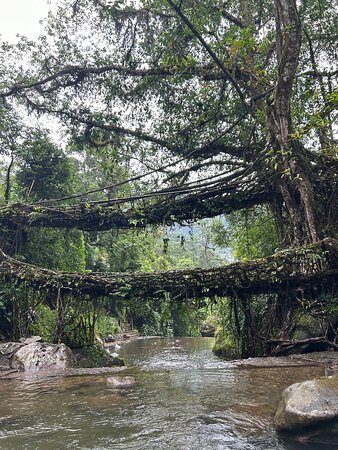
Explore trails that lead towards smaller, living root bridges and waterfalls. The living root bridges are remarkable examples of bioengineering: tree roots trained over decades to form natural footbridges. Many of the larger bridges require moderate hikes—allocate a couple of hours if you plan to visit one and return the same way.
Afternoon: Lesser-known viewpoints and photography
After lunch, take a relaxed walk to smaller viewpoints that receive fewer tourists. These spots often provide intimate landscape frames—wildflowers, terraced fields and moss-covered rocks. Use this time to photograph details: dripping ferns, water rivulets and close-ups of rock textures.
Optional add-ons if time permits
- Double Decker Living Root Bridge: If you have extra time and are prepared for a steep descent and climb back, this iconic bridge near Nongriat is memorable. The trek is challenging but rewarding; allow several hours and go with a guide if unsure of the route.
- Local village walks: Short walks through nearby villages to see traditional Khasi homes and terrace farming practices.
Safety, sustainability and local etiquette
Cherrapunji’s fragile ecosystems thrive when visitors act responsibly. Follow simple rules to protect the landscape and local communities.
Safety tips
- Wear proper footwear—many paths are wet, muddy and uneven.
- Carry sufficient water and snacks, and a first-aid kit for blisters or minor cuts.
- Inform your accommodation or guide about your planned route, especially for longer treks.
- Avoid slippery cliff edges and obey warning signs around viewpoints and waterfalls.
Sustainable travel guidelines
- Take all non-biodegradable waste back with you; use reusable water bottles and bags.
- Respect local customs—ask before photographing people, and remove footwear where requested in home-stays and sacred places.
- Support local businesses: eat at village eateries, buy handicrafts from local artisans and book local guides when possible.
Tip: A small contribution to community-run conservation or guide services goes a long way in supporting local stewardship of these fragile landscapes.
Where to stay and practical choices
Cherrapunji offers options from simple guesthouses to comfortable eco-stays. Choose a homestay if you want a close cultural experience, or a mid-range guesthouse for more amenities. Book in advance during peak season and be prepared for modest facilities in more remote lodging.
Transport logistics while you’re there
- Hiring a local cab for the two days gives you the most flexibility to stop at viewpoints and time your visits for photography.
- Shared taxis are budget-friendly but less flexible and may not reach offbeat spots—plan routes carefully if relying on shared transport.
Photography and making the most of the light
Cherrapunji’s weather plays theatrically with light and mist. For the best photos:
- Shoot early morning for soft light and fewer people at viewpoints and waterfalls.
- Use a wide-angle lens for expansive waterfalls and viewpoints; a polariser helps cut glare on wet rock and foliage.
- Embrace mist and moody skies—overcast conditions can produce more dramatic, saturated images than bright sunshine.
Sample packing checklist
- Waterproof jacket, poncho and quick-dry clothes
- Hiking shoes with grip, extra socks
- Reusable water bottle, snacks and power bank
- Torch/flashlight and a compact first-aid kit
- Camera with rain cover and binoculars
Final notes and suggested pace
This 2-day plan is deliberately paced: Day 1 covers the signature falls and viewpoints, while Day 2 unlocks caves, root bridges and quieter trails. If you prefer more hiking and fewer drive-stops, swap an afternoon viewpoint for a trekking route such as the trail to Nongriat. Conversely, if you seek convenience, hire a local driver who can guide you to the best stops based on weather and visibility.
Cherrapunji rewards those who slow down and take in the subtle details—the sound of distant water, the sheen of wet moss, and the way clouds move through the valley. With sensible planning and a flexible attitude, two days here can be a deeply refreshing escape into one of India’s most verdant landscapes.
Conclusion: In 48 hours you can experience the essence of Cherrapunji: towering waterfalls including the Seven Sisters, mysterious caves, living root bridges and sweeping viewpoints. Prioritise safety, respect local customs, and leave space for serendipitous stops—often the most memorable moments are unplanned.