12-Day Northeast India Itinerary for a Complete Seven Sisters Circuit
A practical 12-day itinerary to circuit the Seven Sisters — Assam, Arunachal, Nagaland, Manipur, Mizoram, Tripura and Meghalaya — focusing on highlights, transport, permits and travel tips to make the most of Northeast India.
By TravMe Holidays travel team · · Updated · 7 min read
The Seven Sisters of India — Assam, Arunachal Pradesh, Nagaland, Manipur, Mizoram, Tripura and Meghalaya — form a tapestry of lush landscapes, unique cultures and warm hospitality. This 12-day itinerary is designed to give you a compact, well-paced circuit that captures major highlights while remaining realistic about travel time and road conditions.
Quick overview and travel style
This plan is for travellers who want a comprehensive introduction to the Seven Sisters within limited time. It mixes nature, culture and history with a few easy treks and village visits. You will mostly travel by road, with a couple of short domestic flights or long-distance trains suggested if you prefer to save time.
Note: Permits are mandatory for some states (especially Arunachal Pradesh, Nagaland, Manipur and Mizoram). Always check current permit rules and allow time for approvals. Road conditions vary; expect scenic drives that can be slow. Book accommodation in major towns in advance during peak season.
How to use this itinerary
- Start in Guwahati (Assam) — it’s the usual gateway with the best flight connections.
- End in Shillong (Meghalaya) or return to Guwahati depending on your onward plans.
- Adjust the sequence to suit flight/train availability and permits.
- Keep buffer time — weather, roadwork or permit delays can affect plans.
12-Day Seven Sisters Circuit — Day by day
Day 1: Arrival in Guwahati (Assam) — acclimatise & explore
Arrive in Guwahati and settle into your hotel. Use the afternoon to visit the Kamakhya Temple, stroll along the Brahmaputra riverfront and explore the local markets. If time permits, visit the Assam State Museum to gain context about the region.
Day 2: Guwahati to Shillong (Meghalaya) — 3–4 hours
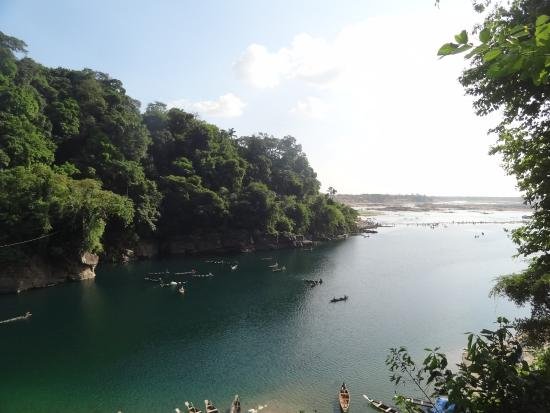
Drive to Shillong through scenic hills. En route, stop at Umiam Lake for views and leisure activities. In Shillong, visit Police Bazar for shopping and the Cathedral of Mary Help of Christians. Sunset from Shillong Peak gives panoramic views of the Khasi Hills.
Day 3: Shillong — Cherrapunji day trip
Take a full-day trip to Cherrapunji (Sohra): visit Nohkalikai Falls, Mawsmai Cave, and the living root bridges in nearby villages like Nongriat if you are up for a moderate trek. The climate is misty and lush — carry rain protection.
Day 4: Shillong to Kaziranga (Assam) — 5–6 hours
Return east into Assam and reach Kaziranga National Park. Afternoon or early evening can be used for a guided jeep safari along the park’s buffer zones. Kaziranga is famed for one-horned rhinoceros, elephants and a variety of birdlife.
Day 5: Kaziranga safari & travel to Jorhat
Wake early for the classic elephant or jeep safari (book in advance). After wildlife viewing, continue to Jorhat for an evening stroll around tea gardens and a relaxed dinner. Jorhat has a vibrant tea-industry history and a calm town ambience.
Day 6: Jorhat to Dibrugarh or pass to Arunachal foothills
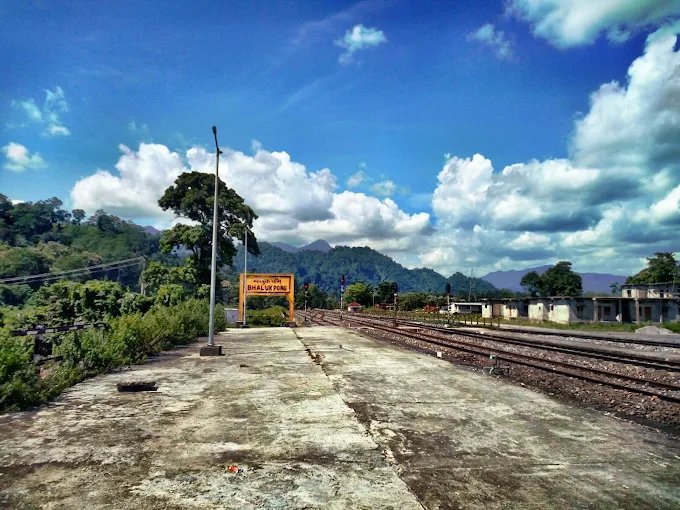
Depending on your route into Arunachal, travel to Dibrugarh or take the road towards Tawang via Tezpur and Bhalukpong over the next two days. This is a longer transit day — keep it relaxed and enjoy riverine landscapes and tea estates.
Day 7: Enter Arunachal Pradesh — Dirang or Tawang approach
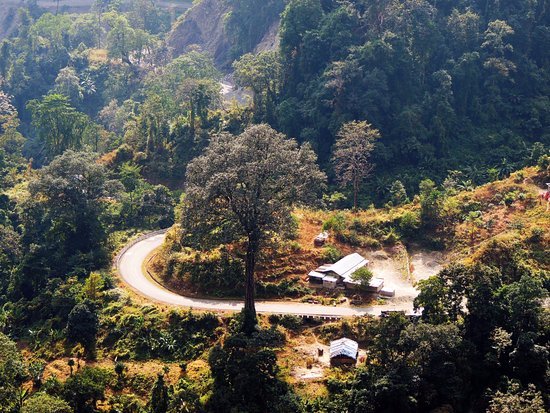
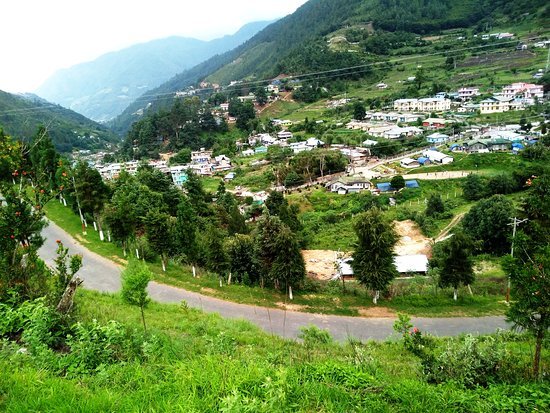
Move into Arunachal Pradesh, reaching Dirang or continuing toward Tawang if time and permits allow. Dirang offers hot springs, apple orchards and a slower mountain vibe; Tawang is culturally Tibetan Buddhist with monasteries, mountain passes and high-altitude lakes.
Day 8: Tawang or nearby exploration
Explore Tawang Monastery, War Memorial, and nearby high-altitude lakes like Sangetsar or Madhuri Lake (seasonal). Road travel here can be challenging but immensely rewarding for dramatic mountain vistas and Tibetan Buddhist culture.
Day 9: Transfer south toward Nagaland — Kohima
Begin the southward leg toward Nagaland. Depending on connections, you may pass through Assam again before entering Nagaland. Arrive at Kohima, the state capital, and visit the Kohima War Cemetery and local markets where Naga handicrafts are prominent.
Day 10: Kohima to Dimapur to Imphal (Manipur)
Travel across to Imphal via Dimapur. Dimapur is Nagaland’s commercial hub; Imphal welcomes you to Manipur’s rich culture and ancient sites. Explore Kangla Fort and the local markets to taste Manipuri cuisine such as Eromba and Nga-Thongba.
Day 11: Imphal to Agartala (Tripura) or head to Mizoram
Depending on priority states, you can either head west to Tripura (Agartala) via road/rail or move south into Mizoram (Aizawl). Agartala offers royal palaces and historical sites; Aizawl provides hilltop vistas, local bazaars and a different tribal culture. This day will be a transit-heavy stretch so plan early starts.
Day 12: Explore final state and return to Guwahati
Use the final day to visit local highlights: Neermahal and Ujjayant Palace in Tripura; Durtlang or Hmuifang in Mizoram; or spend more time in Meghalaya if you chose a different loop. Return to Guwahati by evening flight or train for departure the next day, or extend your stay in Shillong if you prefer a relaxed finish.
Permits and documentation
Certain states require permits for non-resident Indians and foreigners. Inner Line Permits (ILP) apply to several Northeastern states for Indian citizens, while Protected Area Permits (PAP) and special entry passes may be needed for parts of Arunachal and others. Apply through state portals, district offices, or your travel agent; processing times vary.
Tip: Carry printed copies of permits, ID proofs and a few passport-sized photos. Keep digital backups on your phone and cloud storage.
Transport and logistics
- Flights: Guwahati is the easiest arrival/departure hub. There are domestic flights to key cities like Dibrugarh, Imphal and Agartala.
- Road travel: Most of the circuit is by road. Hire a reliable driver or use local buses for shorter legs. Expect single-lane hilly roads and frequent hairpin bends in Arunachal and Meghalaya.
- Trains: Good option for sections in Assam and Tripura. Long-distance trains can save cost/time compared with road travel over long distances.
Where to stay
Major towns — Guwahati, Shillong, Jorhat, Tawang, Kohima, Imphal and Agartala — have hotels and guesthouses across budgets. In remote areas, homestays offer cultural immersion and support local communities. Book in advance during festivals or peak tourist months.
Food and culture
The Seven Sisters region is a mosaic of cuisines: Assamese thalis, Manipuri flavours, Naga tribal smoked meats, Meghalaya’s local rice dishes, Mizoram’s simple yet wholesome meals and Tripura’s Bengali-influenced curries. Always try local markets and family-run eateries for authentic flavours. Respect local customs, dress modestly in villages and seek permission before photographing people.
Packing checklist
- Layered clothing for variable mountain and valley climates; waterproof jacket.
- Comfortable trekking shoes, sun protection and insect repellent.
- Basic medicines, copies of permits, ID and vaccination records if required.
- Power bank, torch, reusable water bottle and travel umbrella.
Safety and health
The Northeast is generally safe for travellers, but standard precautions apply. Avoid travelling at night on remote roads, keep valuables secure and stay updated on local advisories. Carry ORS and rehydration salts if you are moving between altitudes. Altitude sickness can affect travellers in high reaches like Tawang — ascend gradually and consult a doctor if symptoms appear.
Best time to visit
October to April is broadly the best window: clear skies, manageable rainfall and pleasant temperatures in the hills. Monsoon (June–September) brings intense rain, landslides and road closures, especially in Meghalaya and parts of Arunachal, but also creates unrivalled green landscapes and dramatic waterfalls for those prepared for wet travel.
Customise and extend
If you have more time, extend stays in cultural hubs like Tawang, Imphal and Aizawl, or add Kaziranga’s adjacent tea estate experiences and village homestays in Meghalaya. Festival seasons — Hornbill Festival (Nagaland), Wangala (Meghalaya) and local Losar/Tibetan festivals — provide deep cultural insight if your trip coincides.
Final tips
- Keep flexible days in your schedule to absorb travel delays and to enjoy spontaneous local opportunities.
- Support local guides and handicraft sellers — it enriches your experience and benefits communities.
- Respect local rules about restricted zones and adhere to permit conditions.
With varied landscapes, living traditions and warm hospitality, the Seven Sisters region rewards travellers who move slowly and with curiosity. This 12-day loop offers a compact, realistic route to experience a meaningful cross-section of Northeast India while leaving room to return for deeper exploration.
Conclusion
This 12-day Seven Sisters circuit is a structured yet flexible plan for first-time travellers to Northeast India. It balances iconic attractions with cultural immersion and practical travel notes. Plan permits in advance, pack for varied climates and keep some spare days — the journey itself is as memorable as the destinations.