10-Day Seven Sisters Itinerary Covering Assam, Meghalaya and Arunachal
A practical 10-day itinerary exploring the Seven Sisters region — Assam, Meghalaya and Arunachal — covering must-see sights, travel logistics, permits, accommodation tips and local experiences.
By TravMe Holidays travel team · · Updated · 6 min read
The Seven Sisters region — Assam, Meghalaya and Arunachal Pradesh — is a blend of lush valleys, misty hills, powerful rivers and living tribal cultures. This 10-day itinerary balances iconic highlights with offbeat experiences, ideal for travellers who want to see waterfalls, caves, tribal villages and riverine life while keeping travel time realistic.
Quick overview and trip highlights
This 10-day route begins in Guwahati (Assam), moves to Meghalaya's Shillong and Cherrapunjee (Sohra), then explores the Dawki–Mawlynnong area before crossing into the scenic and less-visited parts of Arunachal. Highlights include the Brahmaputra riverfront, Shillong’s cafés and viewpoints, Cherrapunjee’s waterfalls and living root bridges, crystal-clear Dawki River, Mawlynnong village, and Arunachal’s cultural and mountain vistas.
When to go and how to prepare
Best time to travel
October to April is generally the most comfortable window: post-monsoon freshness, clearer skies and cooler temperatures. Monsoon (June–September) brings spectacular waterfalls and green landscapes but heavy rains can disrupt road travel, especially in Meghalaya.
Permits and documentation
- Indian citizens: No entry permit needed for Assam or Meghalaya. For Arunachal Pradesh, you will need an Inner Line Permit (ILP) — check the latest application process online or at designated counters in Assam.
- Foreign nationals: Arunachal requires a Protected Area Permit (PAP) issued by the Ministry of Home Affairs or through registered tour operators. Advance planning is essential.
- Carry ID proof (Aadhaar/passport) and photocopies for checks.
How to travel between states
Road travel is the most flexible way to explore the Seven Sisters. Distances are moderate but roads in hill areas can be slow due to winding stretches. Key transport options:
- Fly to Guwahati (Lokpriya Gopinath Bordoloi Airport) as your gateway.
- Private car with a local driver is recommended for comfort and time management.
- Shared taxis and state buses are available but less reliable for tight schedules.
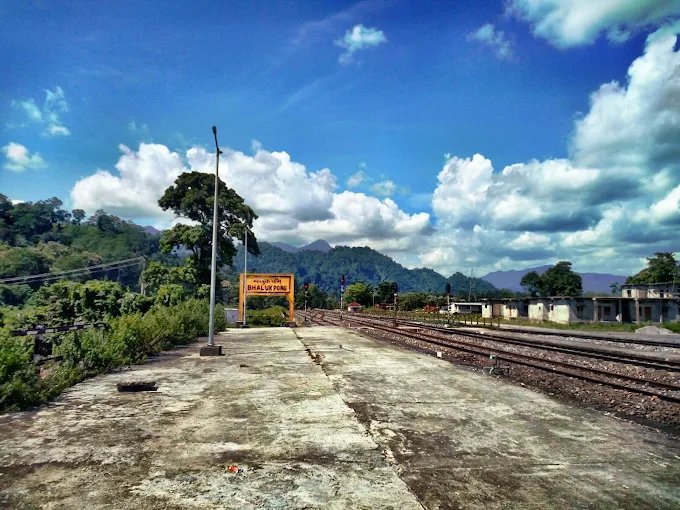
- Rail connectivity exists to Guwahati and some Assam towns, but onward hill travel is primarily by road.
10-Day day-by-day itinerary
Day 1: Arrive Guwahati — settle in and explore
Arrive at Guwahati, transfer to your hotel and relax. In the afternoon visit the Kamakhya Temple (timings permitting) and take an evening stroll along the Brahmaputra riverfront. Consider a sunset cruise on the Brahmaputra if available.
Day 2: Guwahati to Shillong (3–4 hours by road)
Drive to Shillong, the capital of Meghalaya. En route stop at Umiam Lake for photos and a quick tea break. In Shillong explore Police Bazar, local cafés, and viewpoints like Shillong Peak and Lady Hydari Park. Overnight in Shillong.
Day 3: Shillong — local sightseeing
Spend a full day seeing Ward's Lake, Cathedral of Mary Help of Christians and the Don Bosco Museum for tribal culture and history. In the evening enjoy Shillong’s music scene — live acoustic sets are common in local cafés.
Day 4: Shillong to Cherrapunjee (Sohra) — waterfalls and viewpoints
Drive to Cherrapunjee, known for heavy rainfall and spectacular waterfalls. Visit Nohkalikai Falls, Seven Sisters Falls, and Mawsmai Cave. Spend time at the viewpoints such as Eco Park and Thangkharang Park. Overnight in or near Cherrapunjee.
Day 5: Living root bridge trek (or easier alternatives)
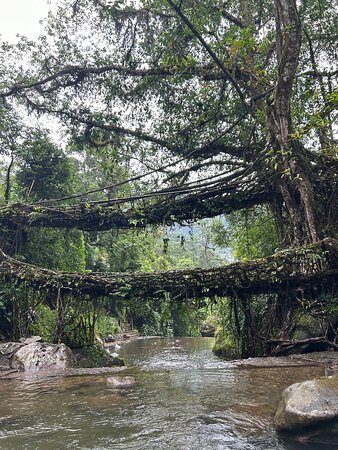
Take a day for the double-decker living root bridge at Nongriat (requires a moderate trek, steep steps and well-prepared footwear). If you prefer a gentler day, explore more caves, local villages or shorter walks like the Dainthlen trek. Return to Cherrapunjee/Sohra for the night.
Day 6: Cherrapunjee to Dawki and Mawlynnong — clear waters and cleanest village
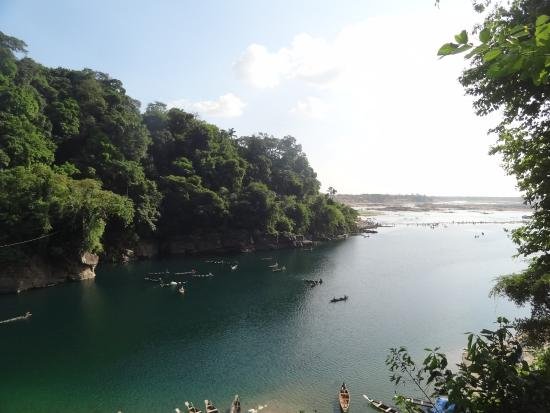
Head to Dawki and enjoy a boat ride on the crystalline Umngot River (weather-dependent). After Dawki, visit Mawlynnong, known as Asia’s cleanest village, walk the suspension bridge and climb the Sky View Tower for panoramic views. Overnight in Dawki/Mawlynnong area or return to Shillong if you prefer more amenities.
Day 7: Mawlynnong to Guwahati and transfer toward Arunachal
Drive back to Guwahati in the morning. Depending on time and your Arunachal entry point, you can either stay overnight in Guwahati or continue north toward Tezpur/Tawang region (this would be a long drive and may be split over two days). Arrange ILP/PAP documents if not already done.
Day 8: Guwahati/Tezpur toward Itanagar or local Arunachal foothills
If targeting Arunachal’s closer parts, travel to Itanagar or along the Assam–Arunachal border regions. Explore nearby tribal markets and museums (for example, Itanagar’s craft centres) and acclimatise. Roads improve as you move toward plains and low hills; mountain roads begin thereafter.
Day 9: Explore Arunachal cultural sites
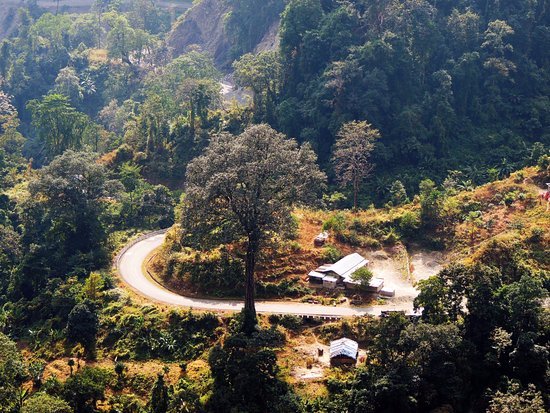
Visit local tribal villages to understand Adi, Nyishi or Aka cultures depending on your chosen sub-region. If you’re heading to Tawang, this is a good day to approach gradually, visiting monasteries, viewpoints and small towns en route. If you opt for a shorter Arunachal loop, focus on nature walks and river views.
Day 10: Return to Guwahati and depart
Make your way back to Guwahati for your onward flight or train. If time permits, visit Assam State Zoo or the local markets for tea and handicrafts. Depart with a head full of vivid landscapes and cultural memories.
Alternative routes and extensions
This itinerary is flexible: if you have extra days, extend the Arunachal leg to include Tawang (requires more time and acclimatisation), or explore more of Assam’s tea gardens and Kaziranga National Park for wildlife. For those with less time, skip the deep Arunachal push and spend more relaxed days in Meghalaya.
Accommodation and food recommendations
Accommodation ranges from comfortable guesthouses and homestays to mid-range hotels. In Meghalaya, homestays in Mawlynnong or village guesthouses near Cherrapunjee provide authentic experiences. In Arunachal, guesthouses and small hotels are common; book ahead in peak season.
Food: Assamese cuisine (fish-based dishes, pitha), Meghalaya’s Khasi food (stews, rice dishes) and Arunachal tribal specialties are worth sampling. Try local street snacks, tea culture in Shillong cafes, and home-cooked meals in homestays for the best flavours.
Practical tips and safety
- Packing: sturdy walking shoes, rain jacket, compact first-aid kit, power bank, warm layers for higher altitudes and insect repellent.
- Connectivity: Mobile networks can be patchy in hill and remote Arunachal areas; plan offline maps and inform someone of your route.
- Road safety: Drive cautiously on winding mountain roads; allow buffer time for landslides or slow stretches during monsoon.
- Cash and ATMs: Carry sufficient cash when visiting remote areas, as ATMs are limited outside major towns.
- Responsible travel: Respect local customs, seek permission before photographing people, avoid single-use plastics and support local guides and artisans.
Note: Check permit requirements and travel advisories before travelling to Arunachal Pradesh, and plan buffer days for unforeseen delays on hilly roads.
Packing checklist
- Valid ID and permit copies (ILP or PAP where applicable)
- Layered clothing, rainproof jacket and waterproof footwear
- Medication, sunscreen, insect repellent and a basic first-aid kit
- Power bank, travel adaptor and offline maps
- Reusable water bottle and small daypack for treks
Final notes and travel ethos
The Seven Sisters region rewards travellers who move slowly and stay open to local experiences. While this 10-day plan covers major sights and gives a taste of Arunachal’s frontier charm, the real joy is in the unhurried moments — a sunrise over the Brahmaputra, a Khasi drumbeat, a cup of tribal tea on a hilltop. Engage with local guides, sample regional cuisine and leave the smallest possible footprint.
With careful planning for permits and a flexible attitude towards road travel, this 10-day tour through Assam, Meghalaya and Arunachal can be a memorable, layered journey across three distinct landscapes of Northeast India.
Safe travels and happy exploring!