10-Day Kashmir Itinerary Including Offbeat Valleys
A detailed 10-day Kashmir itinerary combining iconic sights like Srinagar and Gulmarg with offbeat valleys such as Wangat, Lidder, and Tulail, plus practical tips for travel, permits, packing and local food.
By TravMe Holidays travel team · · Updated · 6 min read
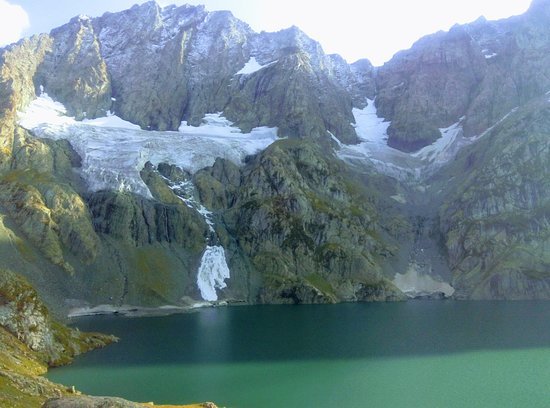
Kashmir’s valley of flowers, mirrored lakes and snow-draped peaks make for one of India’s most evocative travel experiences. This 10-day itinerary mixes classic highlights with lesser-known valleys to give you a balanced, immersive trip — from Srinagar’s houseboats to alpine meadows and remote mountain hamlets.
How to use this itinerary
This plan assumes arrival and departure via Srinagar. It balances activity and relaxation, includes reasonable transit times, and suggests optional extensions. It’s suitable for travellers who want scenic drives, light treks and cultural encounters rather than high-altitude mountaineering.
Best time to visit
- Spring (April–June): Rhododendrons, tulips in Srinagar and mild weather.
- Summer (July–August): Pleasant temperatures, ideal for higher meadows but expect occasional rain.
- Autumn (September–October): Clear skies and golden landscapes — excellent for photography.
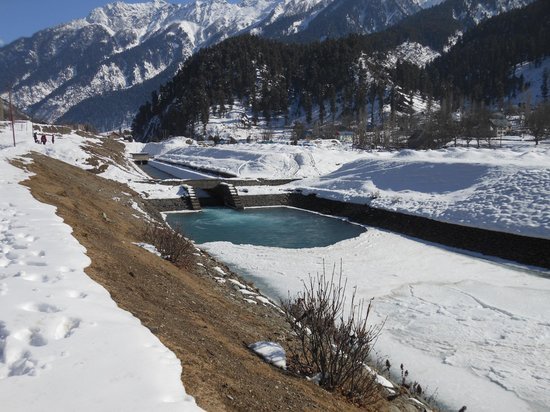
- Winter (November–February): Magical snow scenes in Gulmarg and Pahalgam but some high passes and offbeat valleys may be inaccessible.
Practicalities: permits, transport and accommodation
- Permits: Indian nationals generally need valid ID; foreign nationals should check current permit requirements and travel advisories before arrival.
- Getting there: Srinagar is the main gateway — by air to Srinagar Airport or by road from Jammu. Rail connections end at Jammu; the rail-plus-road option is common.
- Local transport: Hire a reliable local taxi for day trips and inter-valley transfers. For remote valleys, use 4x4 vehicles where possible.
- Accommodation: Options range from Srinagar houseboats and boutique hotels to guesthouses and mountain huts in smaller villages. Book Gulmarg and Pahalgam stays in advance during peak season.
Day-by-day 10-day itinerary
Day 1: Arrival in Srinagar — Relax on Dal Lake
Arrive at Srinagar, transfer to a houseboat or hotel on Dal Lake. Spend the afternoon on a shikara ride through the floating gardens and markets. Stroll the lakeside boulevard at sunset and sample Kashmiri kahwa. Overnight in Srinagar.
Day 2: Srinagar sightseeing — Mughal gardens and Old City
Visit Nishat Bagh and Shalimar Bagh, both fine examples of Mughal garden design. Wander the old city’s bazaars, visit the Jamia Masjid and explore local handicraft shops for pashmina shawls and papier-mâché. Evening free to enjoy the houseboat atmosphere.
Day 3: Srinagar to Sonamarg — Gateway to offbeat valleys
Drive to Sonamarg (golden meadow), a scenic route with river views and snow-capped peaks. If weather allows, take a short pony ride or an easy trek toward Thajiwas Glacier. Sonamarg also serves as the starting point for day trips into the nearby Wangat Valley and Vishansar-Tarsar treks for more adventurous travellers. Overnight in Sonamarg or return to Srinagar.
Day 4: Srinagar to Gulmarg — Meadows and gondola
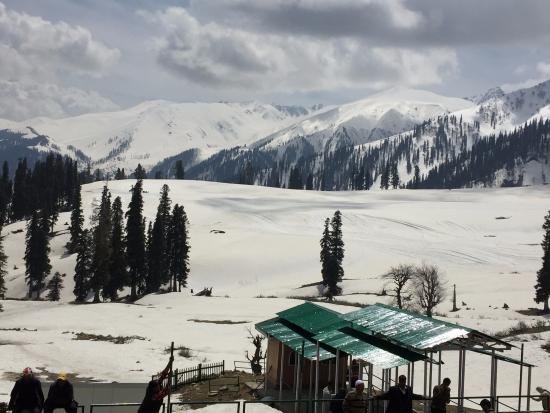
Head to Gulmarg, famed for its meadows and world-class gondola. Ride the cable car for panoramic views and, in summer, gentle meadow walks or mountain biking. In winter, skiing is the main draw. Stay overnight in Gulmarg to soak in alpine air.
Day 5: Gulmarg to Pahalgam — Scenic drive and Lidder Valley
Drive to Pahalgam through winding roads and pine forests. Pahalgam sits in the Lidder Valley, known for its trout-filled streams and green meadows. Explore Betaab Valley, Aru and Baisaran (Mini Switzerland). Overnight in Pahalgam.
Day 6: Offbeat: Explore Lidder and Wangam Valleys
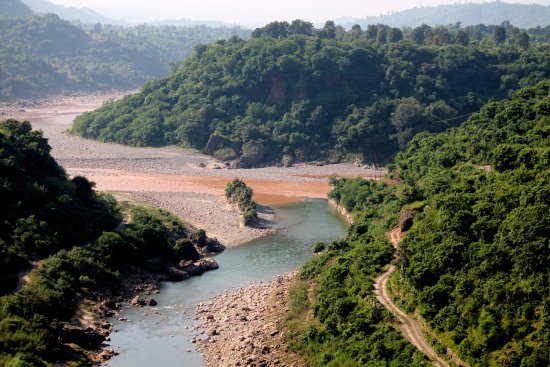
Spend a day exploring quieter corners of the Lidder basin. Hire a local guide to visit small hamlets and lesser-trodden trails, or opt for a short trek toward Wangam (Wangat) Valley, which offers pristine river scenery and remote village life. Engage with shepherd communities if possible. Return to Pahalgam for the night.
Day 7: Pahalgam to Kokernag and Anantnag — Gardens and springs
Drive via Kokernag, known for its botanical gardens and springs. This quieter stop is excellent for a relaxed picnic and short nature walks. Continue to Anantnag to explore local markets or visit nearby ancient temples and ruins. Overnight in Srinagar or another convenient base.
Day 8: Offbeat: Tulail Valley or Gurez (choose based on access)
For travellers seeking solitude and mountain culture, a day trip or overnight stay in Tulail Valley (reachable via Sonamarg and then Kashmiri mountain roads) offers alpine pastures, yak herders and remote hamlets. Alternatively, Gurez Valley toward the north-west is rich in Wakhi culture and panoramic views of snow-clad ranges. Note: both routes can be long and require reliable transport, permits and up-to-date road information.
Day 9: Return to Srinagar — Shop, relax, cultural evening
Return to Srinagar for a relaxed day. Visit local workshops to see papier-mâché and silverware being made. In the evening consider a cultural programme showcasing Kashmiri music and cuisine at a local venue or your accommodation. Enjoy a relaxed walk along the Dal Lake promenades.
Day 10: Departure from Srinagar
Spend your last morning at leisure — a final shikara ride if time permits, or last-minute shopping in Lal Chowk and Polo View Market. Transfer to the airport or proceed on your onward journey.
Alternative add-ons and extensions
- High-altitude lakes: If you have more time and acclimatisation, consider the Vishansar-Tarsar circuit or a visit to Gangabal for dramatic alpine lakes.
- Zanskar and Ladakh: For a longer trip, continue east to Ladakh for stark landscapes and Buddhist monasteries.
- Winter sports: Extend your stay in Gulmarg during winter for skiing and snowboarding experiences.
Packing checklist and health tips
- Layered clothing: days can be warm while mornings and nights remain cool; include a warm jacket for higher altitudes.
- Comfortable walking shoes and a light rainproof layer, especially during monsoon months.
- Sun protection: sunscreen, sunglasses and a hat — mountain sun can be strong.
- Basic first-aid, prescription medicines and altitude sickness remedies if you plan high treks; consult your doctor before travel.
- Reusable water bottle and water purification tablets or a portable purifier for remote treks.
Safety, culture and responsible travel
- Respect local customs: modest clothing is appreciated in villages and when visiting religious sites.
- Ask permission before photographing people, especially in remote communities.
- Support local businesses by buying handicrafts directly from artisans and choosing local guides and homestays where possible.
- Check travel advisories and local conditions, especially for remote valleys; roads can be affected by landslides, snow or maintenance work.
- Carry cash when venturing into smaller markets and villages where digital payments may be limited.
Tip: Offbeat valleys like Tulail and Wangat give you a glimpse of everyday mountain life — travel slowly, engage with locals and be flexible with plans to make the most of these quieter experiences.
Food and cuisine to try
Kashmiri cuisine is rich and aromatic. Don’t miss traditional wazwan dishes if you can join a local feast. Try rogan josh, gushtaba, dum aloo and vegetarian options like haak (greens) with steamed rice or phirni and warm local breads. Tea culture is strong — enjoy multiple cups of kahwa and noon chai (salted tea).
Final tips before you go
- Plan flexibility into your itinerary for weather and road conditions — the best experiences often come from unplanned detours.
- Book key stays in Srinagar and Gulmarg in advance, especially during peak seasons and festivals.
- Hire experienced local drivers and guides for remote valleys; their knowledge of mountain routes and local culture is invaluable.
With this 10-day plan, you’ll experience Kashmir’s iconic sights alongside quiet valleys and authentic mountain life. Travel respectfully, savour the food and allow a bit of unstructured time — that’s where many of Kashmir’s most memorable moments are found.