Yumthang Valley in April and May: When the Rhododendrons Bloom
Yumthang Valley bursts into colour in April–May as rhododendrons and primulas carpet the Himalayan slopes. This guide covers weather, how to reach, permits, best viewpoints, packing and responsible travel tips.
By TravMe Holidays travel team · · Updated · 6 min read
Yumthang Valley, often called the Valley of Flowers of Sikkim, is a high-altitude meadow north of Lachung that transforms into a floral wonderland in April and May. Snowmelt, clear skies and the peak blooming of rhododendrons, primulas and other alpine flowers make this period an unforgettable time to visit. This guide helps you plan a safe, respectful and rewarding trip to Yumthang during the spring bloom.
Why April and May are Special
April and May represent the transition from late spring to early summer in North Sikkim. As temperatures rise and the snow recedes, the valley and surrounding slopes awaken. Rhododendron species—ranging from pink and crimson to white and orange—open up, often alongside carpets of primulas and wild irises. Clearer roads and longer daylight hours make access easier compared with deeper winter months, while the risk of summer monsoon rains is still low.
Weather and What to Expect
Yumthang sits at around 3,500 metres above sea level, so even in April and May the climate can be brisk. Expect:
- Daytime temperatures: Generally cool and pleasant, often between 5°C and 15°C, depending on elevation and sun exposure.
- Night-time temperatures: Cold, frequently dropping close to or below freezing in early April; nights warm up gradually as May progresses.
- Weather variability: Quick changes are common—sunny mornings can turn cloudy or breezy, and occasional light snowfall or hail in early April is not unheard of.
Bring layers and be prepared for both sun and cold winds. A good windproof jacket and warm thermal layers are essential.
How to Reach Yumthang
Yumthang lies about 150–160 km from Gangtok, the state capital, and is accessed via Lachung. Typical travel route:
- Gangtok to Lachung: A scenic drive of about 6–7 hours on the winding highway that climbs through forests and mountain passes. Road conditions can vary, so allow extra time.
- Lachung to Yumthang: A shorter 1–2 hour drive on a high-altitude road. Vehicles may need to take turns on narrow stretches.
Most visitors travel by private car or shared taxis arranged through tour operators. Public transport is limited. Note that permits are required for travel beyond certain points in North Sikkim—see the permits section below.
Permits and Regulations
Yumthang and the surrounding areas fall under restricted zones that require permits. Indian nationals and foreign tourists must obtain Inner Line Permits or Protected Area Permits depending on current regulations. Typically, permits are arranged through tour operators or obtained at designated government check posts in Gangtok or Rangpo.
Carry valid photo ID and copies of permits when travelling. Permit rules can change, so confirm requirements with the Sikkim tourism department or with your travel agent before you go.
Acclimatisation and Health Considerations
At elevations above 3,000 metres, altitude sickness can affect even experienced travellers. To reduce risk:
- Spend a night in Gangtok or Lachen (2,600–2,800 m) to acclimatise before ascending to Lachung and Yumthang.
- Hydrate well and avoid heavy meals and alcohol in the first 24 hours at altitude.
- Ascend slowly and watch for symptoms: headache, dizziness, nausea, breathlessness or disturbed sleep.
- Have a basic first-aid kit and consult your doctor about altitude medication if you have pre-existing conditions.
Best Time of Day for the Flowers and Photography
Early morning and late afternoon offer the best light for flower photography, with soft golden tones and fewer visitors. Mist rising off the meadow in the morning can create atmospheric images, while afternoons often present clear skies for sweeping landscape shots. Carry a polarising filter to enhance sky contrast and a macro lens or close-up extension for detailed flower shots.
Top Things to Do in and Around Yumthang
- Walk the meadows: Gentle walks through the valley allow you to admire patches of rhododendron and primula while respecting fragile flora.
- Visit Shingba Rhododendron Sanctuary: Nearby slopes are known for extensive rhododendron forests—spring colours are spectacular.
- Yumthang Hot Springs: A short walk from the road, these sulphur springs offer a warm soak after a chilly day. Check local guidelines before using them.
- Photography and birdwatching: Spring is great for Himalayan birds and butterflies; bring binoculars for spotting species among the rhododendrons.
- Day trips: Explore nearby attractions such as Zero Point (Yumesamdong) and Lachung village for cultural experiences.
Suggested Itineraries
Here are two practical options depending on your time and tolerance for altitude.
Short Itinerary (2–3 days)
- Day 1: Gangtok to Lachung — acclimatise and rest.
- Day 2: Lachung to Yumthang and back to Lachung — full day in the valley.
- Day 3: Lachung to Gangtok — return journey with stops en route.
Extended Itinerary (4–6 days)
- Day 1: Arrive Gangtok, acclimatise and explore local sights.
- Day 2: Gangtok to Lachen — overnight in Lachen for better acclimatisation.
- Day 3: Lachen to Yumthang via Lachung, stay in Lachung or return to Lachen.
- Day 4: Optional trip to Zero Point and return.
- Day 5: Return to Gangtok with sightseeing; Day 6: Departure.
Packing Checklist for April–May
- Layered clothing: thermal base layers, fleece, insulated jacket and windproof outer shell.
- Warm hat, gloves and scarf—nights are cold.
- Good walking shoes or light trekking boots with grip for wet or muddy patches.
- Sunglasses, sunscreen and a broad-brimmed hat—sun at high altitudes is strong.
- Reusable water bottle, basic first-aid kit and altitude medication if advised by your doctor.
- Camera gear: spare batteries (cold drains batteries faster), memory cards, tripod for landscapes.
Responsible Travel Tips
Yumthang’s fragile alpine ecosystem warrants extra care from visitors. Follow these principles:
- Stay on designated paths: Avoid trampling flowers and fragile vegetation.
- Do not pick flowers: Many alpine species are slow-growing and protected.
- Carry out waste: There are limited facilities—pack out what you bring in.
- Respect local culture: Ask before photographing people and observe local customs in villages.
- Support local businesses: Use local guides, home-stays and purchase local produce and handicrafts.
Small choices by visitors help protect Yumthang’s flowers and ensure the valley remains a wonder for generations to come.
Where to Stay
Accommodation options are concentrated in Lachung and Lachen, with a mix of guesthouses, government-run tourist lodges and small hotels. Book in advance during the peak bloom season, as rooms can fill quickly. Staying in Lachung is convenient for early morning visits to Yumthang, while Lachen offers a quieter, more rustic experience and better acclimatisation.
Nearby Attractions
Combine Yumthang with other North Sikkim highlights:
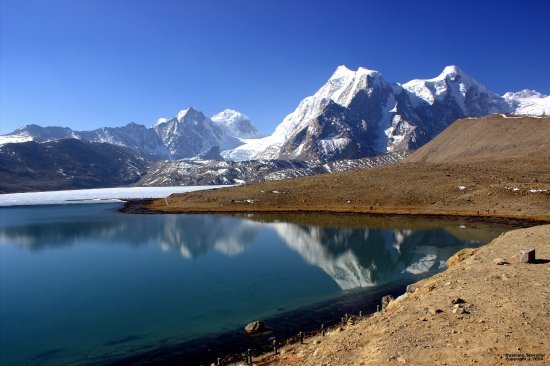
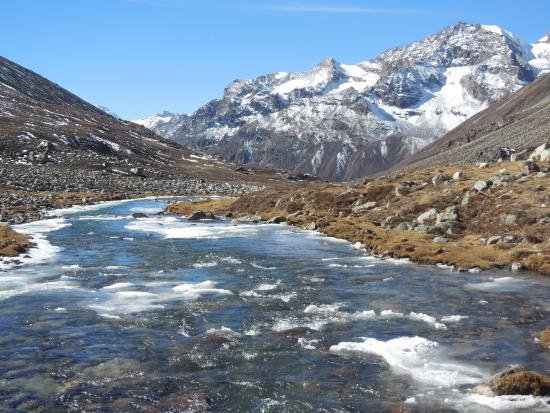
- Zero Point (Yumesamdong): A higher-altitude extension from Yumthang; expect snowfields and panoramic views.
- Lachung Monastery: Small but culturally rich, offering insight into local Buddhist practices.
- Thangu Valley: On the route to Zero Point, with expansive landscapes and grazing yak herds.
Practical Tips and Safety
- Check road conditions before travel—landslides and maintenance work can cause delays.
- Keep extra days in your itinerary for unforeseen weather or road holds.
- Carry cash in smaller denominations; ATMs are scarce in high-altitude villages.
- Travel insurance that covers high-altitude activities is advisable.
Visiting Yumthang in April and May is an opportunity to witness one of the Himalaya’s most dramatic seasonal transformations. With careful planning, respect for the fragile environment and a spirit of slow travel, you’ll leave with vivid memories and photographs of rhododendron-clad slopes and pristine mountain air.
Conclusion: Plan for gradual acclimatisation, secure the necessary permits, travel with local operators where possible, and pack for rapidly changing mountain weather. The April–May bloom in Yumthang is short-lived but spectacular—time your visit well and savour every colourful moment.