Pelling in Winter: Snow-Capped Kanchenjunga and Quiet Mornings
Discover Pelling in winter: crisp mornings, snow-draped Kanchenjunga views, serene monasteries and cosy stays. A practical guide to getting there, what to pack, things to do and travel tips.
By TravMe Holidays travel team · · Updated · 6 min read
Pelling in winter is a gentle invitation to slow down. With clear skies, frosty mornings and the majestic Kanchenjunga range wearing a heavy snow mantle, this small Himalayan town becomes a quiet refuge for travellers seeking pristine views, contemplative walks and a slower pace of life. Winter light here is sharp and long shadows add drama to every ridge and prayer flag fluttering in the breeze.
Why visit Pelling in winter?
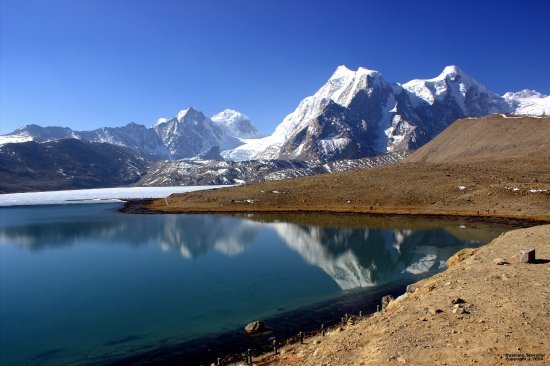
Winter transforms Pelling into a landscape of crystalline beauty. The air is clearer and visibility improves, making panoramic views of the Kanchenjunga massif particularly striking at sunrise and sunset. Many treks are quieter, monasteries less crowded, and small-tea stalls and homestays offer a cosy respite after a cold morning. If you want to experience the Himalaya with fewer tourists and enjoy contemplative mornings by a warm stove, Pelling in winter is ideal.
What to expect from the weather
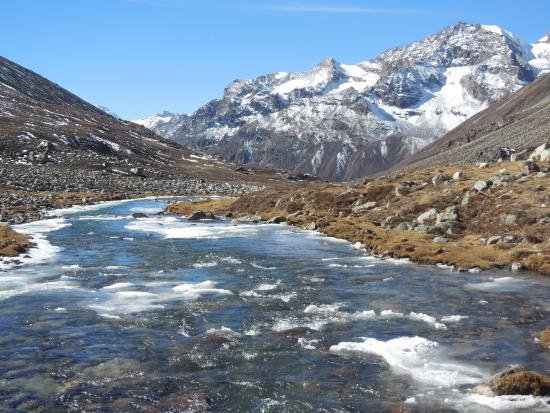
Pelling sits at an elevation of around 2,100 metres, so winters are cold. Expect frost, occasional snowfall in Pelling town and heavier snow at higher elevations. Mornings and nights are the chilliest — daytime temperatures warm up under the Himalayan sun but can still feel sharp. Clear, dry conditions mean excellent visibility, but roads can be slippery after fresh snow or thawing ice.
How to reach Pelling
Pelling is accessible from major transport hubs in Sikkim and neighbouring West Bengal. The typical route is to reach Siliguri (nearest major rail and bus hub) or Bagdogra Airport, then travel by road to Pelling. The journey offers changing landscapes — from plains to foothills and finally the terraced slopes of Sikkim. By road, plan for mountain driving that can take several hours depending on traffic and road conditions. If you are travelling in deep winter, check with local operators for road status and possible delays due to snow.
Permits and practicalities
Indian nationals generally do not require inner-line permits for most parts of Sikkim, but some areas have specific rules. Foreign nationals need a Protected Area Permit (PAP) for many regions. Always confirm the latest permit requirements with official authorities or a trusted local travel agent before departure. Carry ID, photocopies and any paperwork required by your accommodation.
Where to stay: cosy options for winter
Accommodations in Pelling range from basic guesthouses to comfortable hotels and warm homestays. In winter, choose a place with good heating options or at least hot water provision — many families use local stoves for warmth which also adds to the experience. A room with a view towards Kanchenjunga or a terrace is worth the small extra cost; mornings spent wrapped in a blanket with a hot cup of tea are a winter highlight.
Winter-friendly activities and experiences
Even when snow softens the tracks, Pelling has plenty to offer. Mix quiet pursuits with short walks and cultural visits for a fulfilling trip.
- Sunrise at the Kanchenjunga viewpoint: Clear winter mornings deliver some of the best sunrise panoramas. Early starts are rewarded with pastel skies and the first light striking snow peaks.
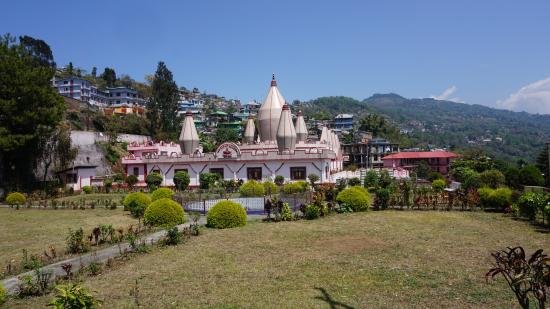
- Pemayangtse Monastery: One of Sikkim’s oldest monasteries, Pemayangtse is particularly atmospheric in winter. The crisp air and quiet prayer halls make it a serene visit.
- Sanga Choeling Monastery: Perched above Pelling, this monastery offers excellent views and a short, invigorating climb. The trail can be frosty; good footwear is essential.
- Rabdentse Ruins: These historic ruins offer context to Sikkim’s former capitals and frame the landscape beautifully when dusted with snow.
- Khecheopalri Lake: A short drive away, this sacred lake is tranquil in winter. The surrounding pines and occasional snow create a meditative setting.
- Short hikes and village walks: Many lower-elevation trails remain walkable; check conditions locally. Village walks reveal traditional homes, prayer wheels and winter farming routines.
- Local cuisine and tea: Warm up with local specialities such as thukpa, momos, and hearty stews. Tea stalls serve a much-appreciated cuppa to thaw chilled fingers.
Suggested 3-day winter itinerary
- Day 1: Arrive in Pelling, settle into your hotel or homestay. Short evening walk to a viewpoint to catch sunset on Kanchenjunga.
- Day 2: Early morning at a panoramic viewpoint for sunrise; visit Pemayangtse Monastery and Rabdentse Ruins. Afternoon at leisure, perhaps explore the local market and sample regional food.
- Day 3: Excursion to Khecheopalri Lake and Sanga Choeling Monastery; afternoon return and depart or extend your stay for an excursion to Yuksom or other parts of West Sikkim.
Packing list for Pelling in winter
Smart layering and a few essentials will make your stay comfortable:
- Warm insulated jacket, thermal layers and knitwear
- Good walking shoes with grip — waterproof if possible
- Warm hat, gloves and scarf; sunglasses for bright snow glare
- Moisturiser and lip balm — cold, dry air can be harsh on skin
- Thermos flask for hot drinks during early morning outings
- Power bank and warm socks; carry spare batteries as cold drains power faster
Photography tips
Winter is a photographer’s season in Pelling, with crisp air and sharp visibility. Keep these practical tips in mind:
- Arrive at viewpoints before sunrise to capture the changing light on Kanchenjunga. Use a tripod for low-light shots.
- Expose for highlights to avoid blown-out snow. Slight underexposure often preserves details in bright snow scenes.
- Carry lens cloths to manage condensation when moving between cold outdoors and warm interiors.
- Include human elements—local fishermen, monks or villagers—for scale and storytelling in wide shots.
Food, drink and local flavours
Winter is a good time to indulge in wholesome Sikkimese and Nepali-influenced dishes. Look for steaming bowls of thukpa, hot momos and locally prepared stews that use seasonal vegetables and preserved greens. Tea culture is strong here; afternoon or early morning chai in a small stall can be as memorable as any scenic stop.
Responsible travel and local customs
Pelling is small and community-oriented. Respect local customs when visiting monasteries: dress modestly, remove shoes where required and ask before taking photographs of people. Support local businesses by choosing homestays, buying handicrafts and dining at family-run eateries. Keep waste to a minimum — carry reusable water bottles and avoid single-use plastics.
Health and safety
Altitude in Pelling is moderate, but if you plan to travel to higher spots or hike for prolonged periods, acclimatise gradually. Stay hydrated and take it easy on strenuous activity for the first day. In winter, roads can be slushy or icy. Allow extra travel time, avoid risky stretches at night and choose a driver experienced with mountain roads.
When to go: winter highlights and limitations
Winter months offer the best clarity for mountain views and a quieter travel experience. However, some higher trails and remote attractions can be affected by snow, and daylight hours are shorter. If your priority is unobstructed views of Kanchenjunga, winter is excellent. If you prefer longer daylight for trekking, consider late autumn or spring.
Tip: Plan sunrise outings for two consecutive mornings. Weather can change fast in the mountains; a clear view one day does not guarantee the next.
Making the most of quiet mornings
Some of the most treasured memories from a winter visit to Pelling come from simple routines: waking early to sip tea on a terrace, watching the first rays gild the peaks, and visiting an empty monastery where only prayer wheels turn. Allow time in your itinerary for unscheduled moments; they often yield the most peaceful experiences.
Conclusion
Pelling in winter is a canvas of silent beauty: snow on the ridges, the vast tranquillity of mountain air and the slow rhythms of village life. Whether you are a photographer, a contemplative traveller or someone seeking a cosy Himalayan getaway, Pelling offers an accessible and rewarding winter experience. With sensible preparation and respect for local conditions, your cold mornings here will become warm memories.