What to Pack for Sikkim in Winter: A Complete Checklist
A practical, room-by-room style packing guide for visiting Sikkim in winter, covering clothing layers, footwear, trekking gear, health kit, electronics, documents and eco-friendly tips to stay warm and comfortable.
By TravMe Holidays travel team · · Updated · 5 min read
Winter in Sikkim is a magical blend of snow-clad mountains, crisp air and clear skies — but it also demands careful packing. Whether you're heading to Gangtok, Pelling, Lachung or higher trekking trails, this checklist helps you pack smart, stay warm and enjoy the Himalayan winter with minimal fuss.
Understand Sikkim's winter climate
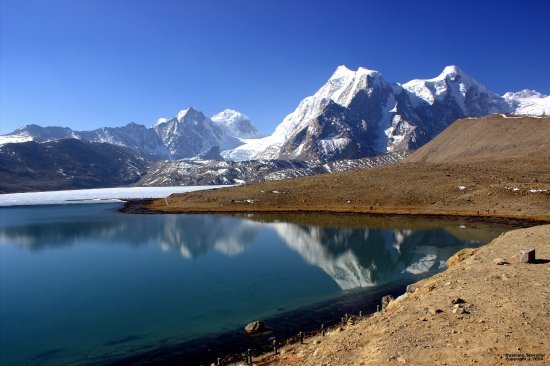
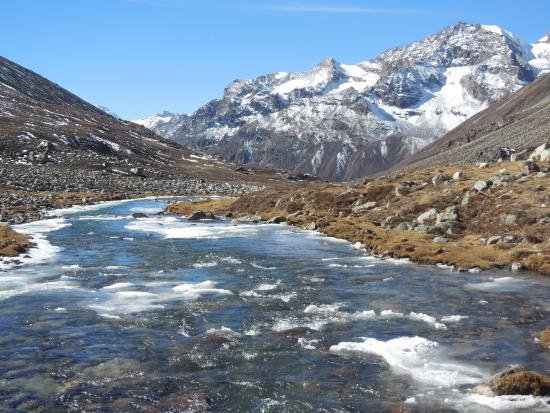
Sikkim's winter runs roughly from November to March. Lower valleys and cities like Gangtok experience cold days and chilly nights, while higher elevations (Lachung, Lachen, Yumthang, Dzongri) receive heavy snowfall and sub-zero temperatures. Temperature drops significantly after sunset; wind chill can make it feel colder. Plan your clothing and gear according to the highest altitude you intend to visit.
Principles of winter packing
- Layering is key: base layer, insulating mid-layer and outer shell.
- Pack for versatility: choose items that work for sightseeing, short treks and evenings out.
- Prioritise warmth and comfort over fashion — synthetic or wool blends dry faster than cotton.
- Minimise weight: use compressible insulation and multi-use items.
Essential clothing checklist
Base layers
- Thermal tops and bottoms (merino wool or high-quality synthetic). These wick moisture and retain heat.
- Quick-dry inner T-shirts (short and long-sleeve) for layering or warmer days.
Insulating mid-layers
- Fleece jacket or pullover — lightweight yet warm.
- Padded down or synthetic insulated jacket for added warmth; compressible for travel.
Outer layers
- Waterproof, windproof shell jacket with a hood (important for snow and sleet).
- Waterproof trousers for higher altitude excursions or snow play.
Everyday wear
- Comfortable trousers or jeans for town (consider thermal leggings underneath for cold days).
- Warm socks: merino or wool blends. Pack several pairs; change if they get damp.
- Underwear and sleepwear — include a warm pair for cold nights.
Accessories
- Warm hat/beanie that covers the ears.
- Insulated gloves and a lightweight liner pair; waterproof gloves for snow activities.
- Buff, scarf or neck gaiter to protect face from wind and cold.
- Sunglasses with UV protection and high-contrast lenses to cut glare from snow.
- Sunhat or cap for sunny days at altitude.
Footwear
Choose footwear depending on activities:
- Waterproof trekking shoes or boots with good grip for short treks and snow patches.
- Insulated, waterproof boots if you expect to walk in deeper snow.
- Comfortable shoes or sneakers for travel days and town visits.
- Lightweight camp or room slippers for indoor comfort in guesthouses where floors are cold.
Trekking- and activity-specific gear
- Daypack (20–30 L) with a rain cover — useful for day hikes and excursions.
- Trekking poles with snow baskets for stability on slippery terrain.
- Microspikes or crampons if you plan to walk on icy trails; check local conditions first.
- Gaiters to keep snow and slush out of boots on deeper snow routes.
- Headlamp with spare batteries for early starts or power outages.
Health, hygiene and safety
Cold weather and altitude can affect your body. Pack thoughtfully.
- Personal medication and a basic first-aid kit (blister plasters, antiseptic, bandages, pain relief, antihistamines).
- Altitude sickness medication — consult your doctor before travel; carry a pulse oximeter if desired.
- High SPF sunscreen and lip balm; winter sun at altitude can burn skin quickly.
- Hand sanitiser, wet wipes and quick-dry travel towel.
- Moisturiser and hydrating creams to combat dry Himalayan air.
Toiletries and packing extras
- All regular toiletries in travel sizes — remember shampoo, toothbrush, toothpaste and menstrual products.
- A small sewing kit, safety pins and a few zip-lock bags to separate damp items.
- Compact travel laundry detergent for hand-washing essentials in guesthouses.
- Reusable water bottle or insulated flask to keep drinks warm.
Electronics and documents
- Phone, power bank and chargers — battery life shortens in cold, so carry a warm pocket for your phone.
- Camera with spare batteries (keep extras warm to preserve charge) and memory cards.
- Universal travel adapter if coming from abroad.
- Printed and digital copies of ID, permits, accommodation vouchers and emergency contact numbers. Sikkim requires permits for certain areas — ensure you have them.
Packing strategy and luggage types
Choose luggage that protects and organises your gear.
- Large duffel or suitcase for main baggage; many travellers prefer a soft duffel as it fits jeep and shared taxi spaces better.
- Carry-on backpack with essentials: warm layer, rain shell, medicines, documents, snacks and electronics.
- Use compression bags for bulky items like down jackets and thermal layers to save space.
- Pack an extra foldable bag for souvenirs or additional laundry when returning.
Practical travel tips for winter in Sikkim
- Layer up in the morning and peel off as the sun warms the valley — mornings are cold, afternoons can be mild in lower altitudes.
- Keep electronics and batteries close to your body to preserve charge in cold conditions.
- Plan travel time carefully: mountain roads in winter can be affected by snow and landslides; allow buffer time between destinations.
- Respect local customs and dress modestly in villages and monasteries. A warm shawl or scarf doubles as modest cover in religious sites.
- Support local businesses — hire local guides and rent high-altitude gear if you prefer not to carry bulky equipment.
Tip: Rather than packing every heavy item, consider renting specialised gear like crampons, insulated boots or thick sleeping bags from reputable providers in Gangtok or trekking hubs.
Eco-conscious packing and safety
- Carry reusable items — water bottle, cutlery and shopping bag — to reduce plastic waste in fragile mountain environments.
- Follow the Leave No Trace principle: carry out all non-biodegradable waste and avoid single-use plastics.
- Use biodegradable soaps when washing clothes; dispose of wastewater responsibly.
Packing checklist (quick view)
- Thermal base layers, fleece, insulated jacket, waterproof shell
- Warm hat, gloves (insulated + liners), scarf/buff
- Waterproof trekking boots + spare shoes, warm socks
- Daypack, trekking poles, microspikes/gaiters (as needed)
- Medicines, sunscreen, lip balm, moisturiser
- Phone, charger, power bank, camera, spare batteries
- Documents, permits, printed confirmations
- Reusable water bottle, laundry soap, zip-lock bags
Final thoughts
Packing for winter in Sikkim is about striking a balance: bring reliable warm layers and practical gear, but travel light where possible by renting bulky items locally. Anticipate sudden weather changes, protect your electronics from the cold and respect local conditions and communities. With the right preparation you’ll be free to enjoy crisp mountain air, stunning views and snowy landscapes in comfort.