Where to Stay in Somnath for Temple Visits and Evening Aarti
Planning a visit to Somnath Temple? This guide helps you choose the best neighbourhoods and accommodation types in Somnath, Gujarat, so you can be close for darshan and the evening aarti without stress.
By TravMe Holidays travel team · · Updated · 7 min read
Somnath in Gujarat is one of India’s most revered pilgrimage towns. For many travellers, the primary aim is a peaceful darshan and the soul-stirring evening aarti by the sea. Choosing the right place to stay can make the difference between a rushed visit and a calm, memorable spiritual experience. This guide explains the best areas to stay in Somnath, accommodation types, practical tips about timings and rituals, and how to plan your visit so you are perfectly placed for temple darshan and the evening aarti.
Why location matters for Somnath visits
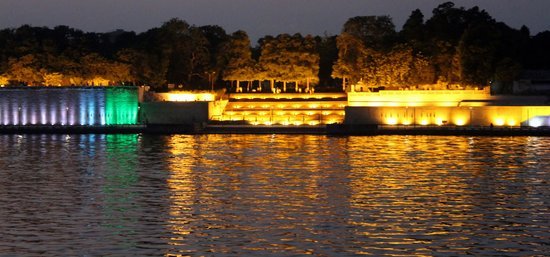
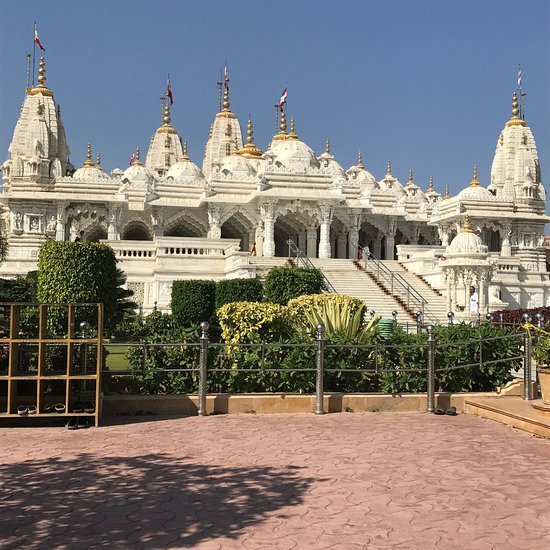
Somnath's principal draw is the Somnath Temple on the Arabian Sea. The temple complex, a busy marketplace and the ghats come alive at dawn and dusk. Staying close saves time, helps you avoid traffic and long queues, and allows repeated visits during quieter hours. In addition, many visitors prefer seafront sunset views, easy access to local eateries and the chance to enjoy the peaceful early morning atmosphere before the crowds arrive.
Best neighbourhoods to stay in Somnath
1. Near Somnath Temple (Prashad Chowk / Somnath Road)
This is the ideal spot if your priority is temple darshan and the evening aarti. Accommodation within walking distance means you can arrive for early morning rituals or stay nearby for the late evening aarti without worrying about transport. Properties range from simple lodges and dharamshalas to comfortable mid-range hotels. Expect to be close to the temple complex, local markets and several prasad shops.
2. Seafront and Somnath Beach
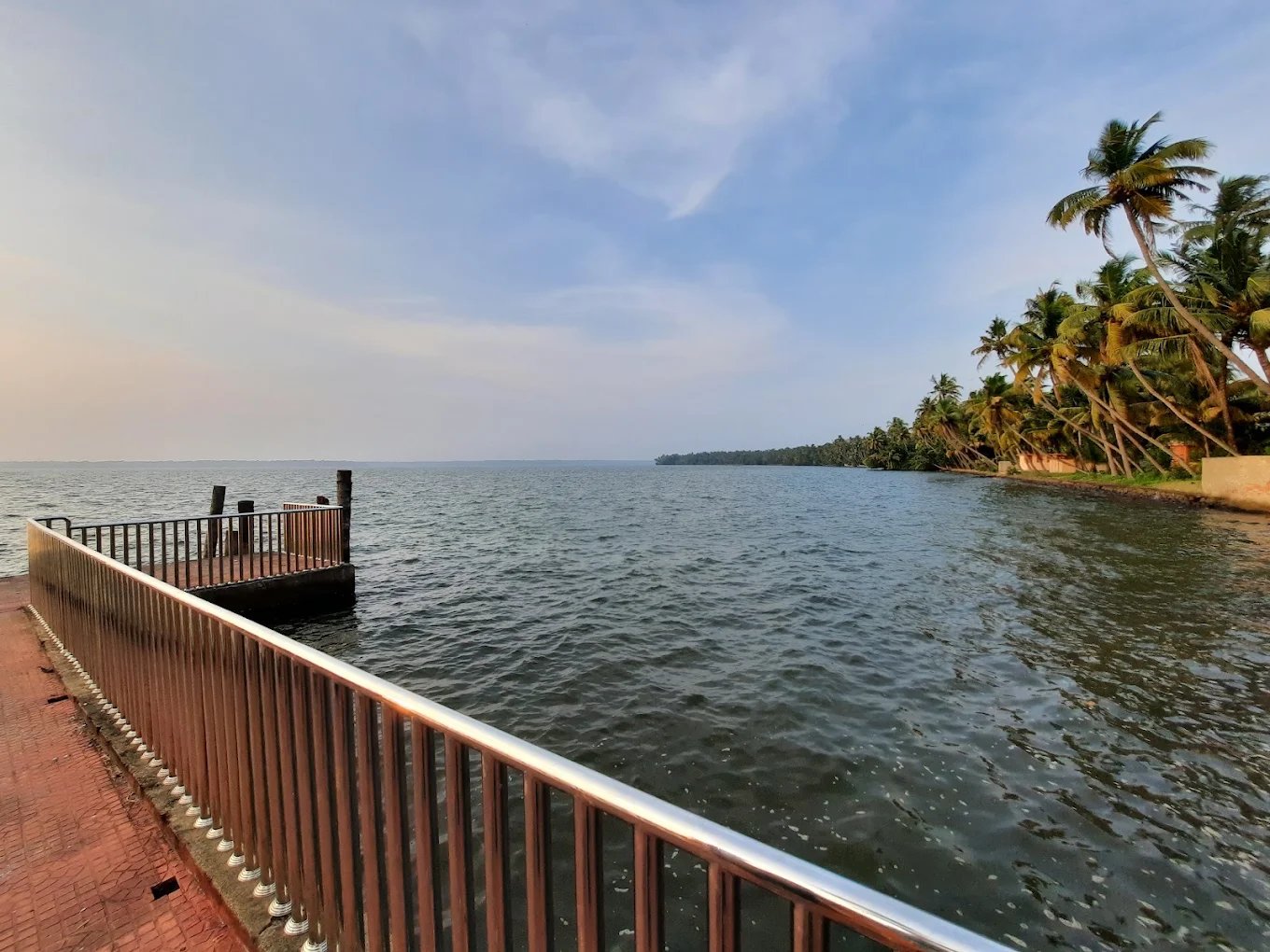
If waking up to the sound of waves appeals to you, seafront hotels and guesthouses offer a unique experience. These properties typically provide spectacular sunrise and sunset views and are often a short walk or auto ride from the temple. Staying by the beach is perfect for those who enjoy morning walks on the shore and want a quieter ambiance away from the main market.
3. Veraval (the port town)
Veraval, the fishing and port town adjacent to Somnath, offers a wider variety of accommodation and often better value for money. Travel time to Somnath Temple is short — usually within 10–20 minutes by car or auto — making it a practical choice for families or travellers seeking more choices for dining and shopping. Veraval also has good road connections if you plan onward travel.
4. Road along Junagadh Highway (for easy access)
If you’re planning to explore other attractions in Saurashtra — like Junagadh, Gir National Park or Diu — staying along the highway connecting Somnath and Junagadh can save time on multi-day itineraries. This area tends to have small hotels, resorts and serviceable lodges catering to road travellers.
5. Near Gir (for wildlife + temple combo)
For visitors combining Somnath’s spiritual appeal with Gir’s wildlife, consider staying in towns or resorts near the Gir forest range. This option means longer travel to the temple but gives you access to nature lodges, wildlife safaris and a more rustic atmosphere. Plan temple visits early or late in the day to avoid long drives during peak heat.
Types of accommodation you’ll find
- Dharamshalas and Ashrams: Budget-friendly and ideal for pilgrims. These often provide basic facilities and simple meals, and are usually close to the temple complex.
- Budget hotels and guesthouses: Clean rooms and essential amenities. Good for travellers wanting low-cost, comfortable stays near the action.
- Mid-range hotels: Offer private bathrooms, in-house dining and sometimes sea views. A balanced choice for families and couples.
- Seafront resorts and boutique hotels: For those who want a more relaxed, scenic stay with added comforts like larger rooms and lounge areas.
- Heritage or boutique stays: Occasional properties in the region repurpose older haveli-style buildings; they can add local charm to your pilgrimage experience.
Key factors to consider when choosing where to stay
Proximity to Somnath Temple
For darshan and the evening aarti, being within walking distance is extremely convenient. It eliminates dependency on taxis during peak hours and allows you to join queues early in the morning or to return after the late-night rituals without delay.
Timing and access for evening aarti
The evening aarti is a special experience and can draw large crowds. If you wish to attend more than once, a nearby stay will give you flexibility. Consider hotel check-in and check-out times, and ask the property about late returns if you plan to watch the aarti after dark.
Sea view vs. temple view
Decide whether waking up to the sea or being steps away from the temple is more important. Seafront stays provide tranquillity and scenery; temple-front locations maximise convenience for rituals.
Facilities and meals
If dietary preferences are important, check whether the property offers pure vegetarian meals or home-style Gujarati thalis. Many dharamshalas and hotels near the temple will cater to pilgrims’ dietary needs.
Parking and transport
If you’re driving or hiring a car, choose a hotel with secure parking. If you rely on public transport, confirm how easily autos and taxis are available at odd hours, especially after late-night aarti sessions.
Practical tips for a smooth stay
Book early for festivals and weekends
Somnath receives peak footfall during Navratri, Mahashivratri and other festivals, as well as on weekends. If your visit coincides with festival dates or long weekends, book accommodation well in advance to avoid last-minute hassles.
Check aarti timings in advance
Temple aarti timings can vary seasonally. Always verify morning and evening aarti schedules with the temple’s official sources or your hotel. Arrive early to secure a good viewing spot for the evening aarti.
Respect local customs
Dress modestly when visiting the temple and follow rules around photography, footwear and carrying offerings. Many hotels near the temple understand pilgrim needs and provide guidance about temple etiquette.
Plan for early mornings
Many devotees prefer the tranquillity of early morning darshan. If this appeals to you, request an early breakfast or packed meals from your hotel, and check whether they offer wake-up calls.
Use local transport for short trips
Autos, shared taxis and cycle-rickshaws are common in Somnath and Veraval for short distances. For day trips to Junagadh or Gir, pre-book private transfers from your hotel or use reputable tour operators.
What to pack
- Comfortable shoes for walking on temple precincts and ghats.
- Lightweight clothing, with a shawl or scarf for entering temple sanctums if needed.
- Water bottle and basic medicines — pharmacies are available but it’s convenient to carry essentials.
- Phone charger, portable power bank and photocopies of ID proof (required for hotel check-in).
- Reusable bag for prasad and offerings, and small cash for local vendors.
Sample day plan if you stay near the temple
- Early morning: Walk to the ghats for sunrise and a quiet darshan before the crowds arrive.
- Breakfast: Return to your hotel or try local eateries for Gujarati breakfast options.
- Late morning/afternoon: Rest or explore nearby markets and beaches; consider a short trip to Triveni Sangam.
- Evening: Reach the temple at least 30–45 minutes before aarti to secure a good spot. After aarti, sample local snacks and return on foot to enjoy the lit-up temple view.
When to avoid certain areas
In peak pilgrimage season, the immediate area around the temple becomes densely crowded. If you prefer quieter evenings or travelling with elderly family members who need easy access and less crowding, choose a hotel slightly farther away with good transport links rather than being right on the temple road.
Tip: Many hotels offer to store luggage if you have late departures. If you plan to watch an evening aarti and travel onward the next day, ask your hotel about luggage storage and a relaxed checkout option.
Final checklist before booking
- Confirm distance and walking time to Somnath Temple.
- Verify whether the hotel provides vegetarian meals and early breakfasts.
- Check reviews for cleanliness, safety and responsiveness to late-night returns after aarti.
- Ask about parking if you are driving, and about transfers if you plan day trips to Gir or Junagadh.
Choosing where to stay in Somnath depends on what you value most: immediate access to the temple, a peaceful sea view, or convenient transport for wider sightseeing. For most pilgrims wanting multiple darshans and the serene evening aarti experience, a hotel within walking distance of the Somnath Temple strikes the best balance. With a little planning on timings, transport and bookings, your stay in Somnath can be both spiritually fulfilling and comfortably restful.
Safe travels and Om Namah Shivaya — may your visit to Somnath be peaceful and memorable.