2-Day Somnath Itinerary Including Bhalka Tirth and Triveni Sangam
A practical 2-day Somnath itinerary covering the Somnath Temple, Bhalka Tirth, and Triveni Sangam with travel tips, timings, rituals, local food and stay recommendations for a smooth spiritual weekend in Gujarat.
By TravMe Holidays travel team · · Updated · 6 min read
Somnath is one of India's most revered coastal pilgrimage destinations, blending spiritual depth with serene Arabian Sea views. This 2-day itinerary focuses on Somnath Temple, nearby Bhalka Tirth and the Triveni Sangam, offering a balanced plan for darshan, sightseeing and some quiet reflection by the sea.
Quick overview: What to expect
In two days you can experience the core spiritual sites of Somnath, witness the temple's evening aarti, explore historical and natural spots close by, and enjoy local sea-food and Gujarati snacks. This plan prioritises temple darshan, visits to Bhalka Tirth and Triveni Sangam, and leaves time for relaxed travel and short excursions.
How to reach Somnath
Somnath is well connected by road and rail. The nearest major railway junctions and cities have frequent services to Veraval and Somnath railway station. By road, Somnath is accessible from Rajkot, Junagadh and Ahmedabad via state highways and national routes. The closest airport is in Diu or Rajkot for commercial flights, followed by road transfer. Travel by overnight train or comfortable day coach is popular with pilgrims.
Where to stay
Accommodation ranges from dharamshalas and budget guesthouses to mid-range hotels near the temple complex. Staying near the Somnath Temple or along the Veraval-Somnath road keeps you within short walking distance of the shrine and the beach. Book ahead during festivals and peak pilgrimage seasons to secure a convenient room.
Day 1: Arrival, Somnath Temple and Beach
Morning: Arrival and freshen up
Arrive in Somnath early so you can make the most of the day. Check into your hotel, leave luggage, and head out after a light breakfast. Aim to reach the temple before the mid-morning crowd if possible; early hours offer a more peaceful atmosphere.
Late morning: Somnath Temple complex
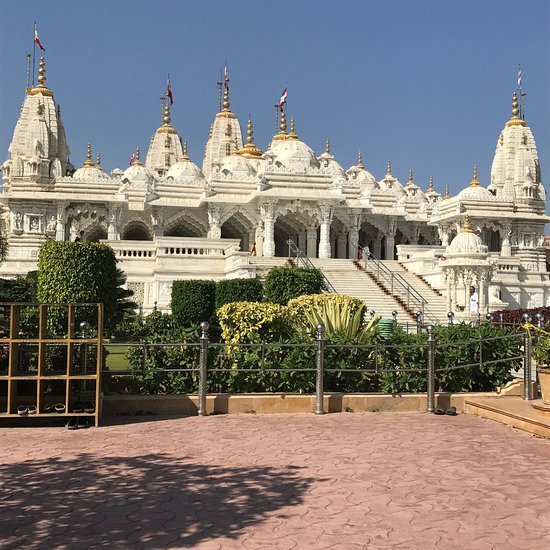
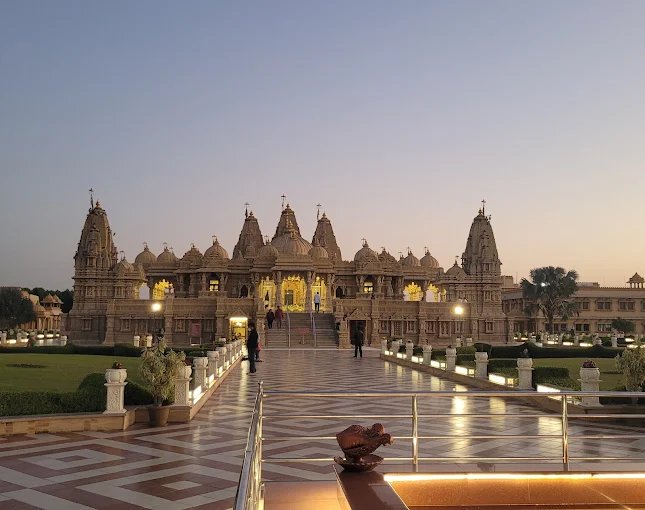
Begin your visit at the iconic Somnath Temple—one of the twelve Jyotirlingas. Allow time for security checks, dress modestly, and be prepared for queues especially during peak times. Take in the temple architecture, the sanctum sanctorum and the outer courtyards. If you are interested in temple history and architecture, dedicate some moments to observe the sculptural details and the sea-facing facade.
Afternoon: Local lunch and museum
After darshan, enjoy a simple Gujarati thali or coastal dishes at a nearby eatery. Many local restaurants serve freshly prepared fare with vegetarian and seafood options. If open, visit the Somnath Museum and nearby interpretation centres to learn about the temple’s storied past and archaeological finds recovered from the region.
Evening: Sunset by the Arabian Sea and aarti
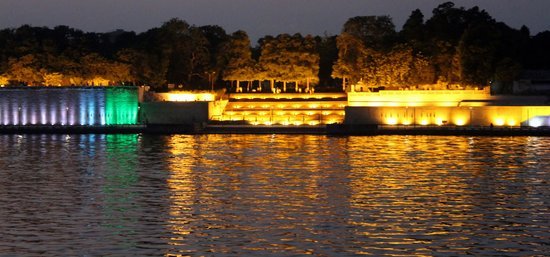
Return to the temple complex in the late afternoon to attend the evening aarti—an emotionally evocative ceremony by the sea. The temple’s illumination against the sunset offers excellent photo opportunities. Then, take a quiet walk along Somnath Beach; the sea breeze and rhythmic waves provide a calming end to the day.
Day 2: Bhalka Tirth, Triveni Sangam and Nearby Attractions
Early morning: Bhalka Tirth
Start early and drive a short distance to Bhalka Tirth. This sacred spot is associated with Lord Krishna’s final moments according to tradition. The site is tranquil in the morning hours and often less crowded than the main temple. Spend time at the holy water tank, offer prayers if you wish, and absorb the contemplative atmosphere.
Mid-morning: Triveni Sangam
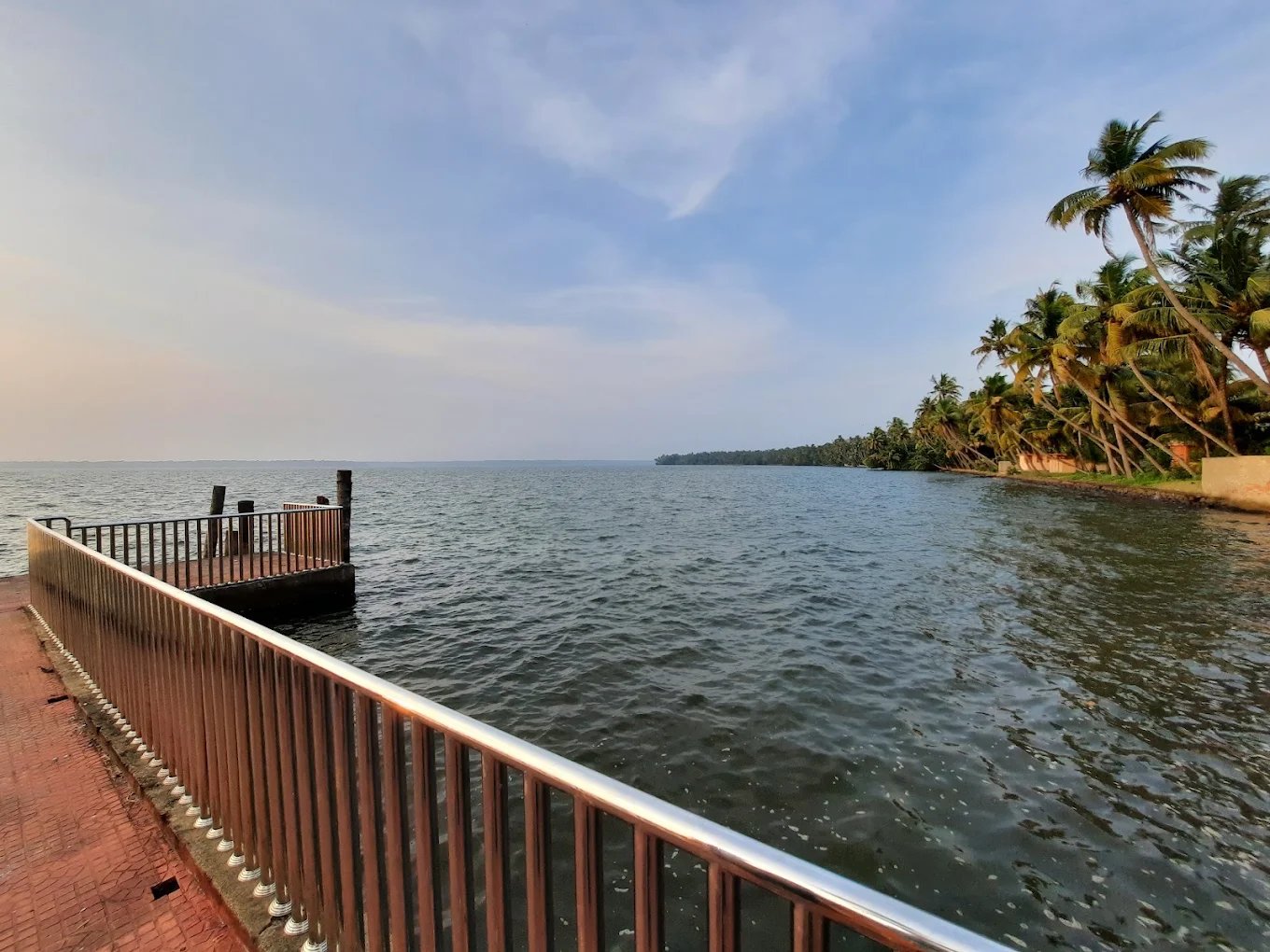
Next, visit the Triveni Sangam where three water bodies meet—usually a place of ritual significance. Pilgrims perform small rites here and release flower offerings into the confluence. Respect local customs: avoid loud behaviour, wear conservative clothing and follow any guidelines provided by priests or caretakers.
Late morning: Gita Mandir and nearby temples
If time permits, explore nearby temples such as Gita Mandir or lesser-known shrines scattered around Somnath. These sites offer quieter spaces for reflection and are often architecturally interesting.
Afternoon: Lunch and laid-back exploration
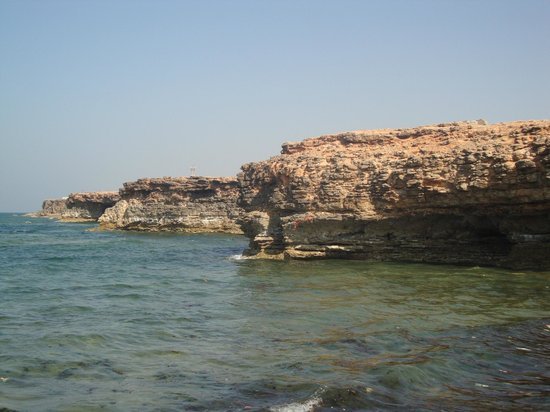
Return to Somnath town for lunch. Use the afternoon for relaxed exploration—visit the local market for handicrafts, buy devotional souvenirs, or take a short drive to nearby spots like the Junagadh viewpoint or coastal viewpoints that offer panoramic sea vistas.
Evening: Final darshan and departure
If your travel schedule allows, finish your trip with a final darshan at Somnath Temple, or sit by the shore to watch the sunset one last time. Collect your belongings from the hotel and proceed to your onward train or road connections.
Practical tips and local customs
- Darshan etiquette: Dress modestly, remove footwear before entering the sanctum, and follow queue directions. Photography may be restricted in certain areas—adhere to signage and staff instructions.
- Timing: Temple timings and aarti schedules can vary seasonally; check locally on arrival. Early morning and late evening are ideal for a quieter experience.
- Respect rituals: At Bhalka Tirth and Triveni Sangam, observe local customs—offer flowers, participate respectfully in small rites if invited, and avoid disturbing priests during ceremonies.
- Hydration and sun protection: Somnath’s coastal climate can be sunny and humid. Carry water, a hat, and sunscreen, and wear comfortable footwear for walking on sandy surfaces.
- Local transport: Auto-rickshaws, taxis and pre-arranged cabs are convenient for short trips. If hiring a car, ensure the driver knows the local routes and timings for the sites you want to visit.
Local cuisine and where to eat
Somnath offers a mix of vegetarian Gujarati cuisine and coastal seafood specialities. Typical tastes include simple dals, rotis, local vegetables, and coastal fish dishes for non-vegetarians. Try fresh snacks like khandvi, dhokla and regional sweets after darshan. Many eateries near the temple cater to pilgrims, offering clean, quick meals—look for busy, well-maintained places for the best hygiene.
Best time to visit
The most comfortable months are the cooler parts of the year, when temperatures are moderate and humidity is lower. Monsoon season brings a dramatic coastline but may make travel slightly unpredictable. Festivals and religious occasions attract larger crowds—book your stay early if you plan to travel during those times.
Safety and health
- Carry essential medicines and basic first-aid supplies.
- Drink bottled or purified water; avoid street ice if you have a sensitive stomach.
- Keep valuables secure—use hotel safes for passports and important documents.
- If travelling in a group, agree on a meeting point near the temple to regroup after darshan.
Suggested packing list
- Light cotton clothing and a shawl or scarf for temple visits
- Comfortable walking shoes and a pair of sandals for the temple courtyard
- Sunscreen, hat and sunglasses
- Reusable water bottle and hand sanitiser
- Portable charger and copies of travel documents
Tip: Mornings in Somnath have a calm, devotional energy—plan at least one early visit to the temple or a quiet walk along the shore to experience it fully.
Optional day-trips and extensions
If you have extra time, consider visiting Junagadh for archaeological sites and fort views, or Diu for a relaxed beach extension with colonial-era forts. These make good additions if you can extend your itinerary beyond two days.
Conclusion
This 2-day Somnath itinerary balances spiritual devotion with gentle sightseeing. With early starts, mindful pacing and respect for local customs, you can cover Somnath Temple, Bhalka Tirth and the Triveni Sangam comfortably while enjoying the coastal ambience. Travellers from India will find this plan ideal for a restorative weekend or a focused pilgrimage—carry an open heart and leave room for quiet moments by the sea.