Where to Stay in Nusa Penida: Which Side of the Island?
Nusa Penida's dramatic coastline offers distinct vibes on each side — from sunset beaches and snorkelling in the west to cliff-top photo ops in the south and secluded bays in the east. Choose your base by interests and logistics.
By TravMe Holidays travel team · · Updated · 6 min read
Nusa Penida is compact yet wildly varied: towering limestone cliffs, turquoise bays, dramatic viewpoints and remote villages. Deciding where to stay can shape your entire visit. This guide breaks down the island by side, matches each area to traveller types, and gives practical tips so you pick the best base for your trip.
Quick orientation: how Nusa Penida is laid out
Nusa Penida sits southeast of Bali and is roughly triangular. The island’s roads are narrow and often steep; distances look small on a map but travel times can be longer than expected. There are several clustered hubs and a handful of harbours where most boats arrive and depart. Understanding the island geographically helps you decide where to sleep and how you’ll spend your days.
Key harbour towns
- Toya Pakeh / Ped: One of the main arrival points for fast boats from Bali. Many accommodations and restaurants are nearby, and it’s a convenient base for day trips.
- Sampalan / Buyuk: A quieter harbour area with local life, used by some fast boats and local ferries.
The sides of Nusa Penida — what to expect
West: Crystal Bay, Gamat Bay — beaches, sunsets and snorkelling
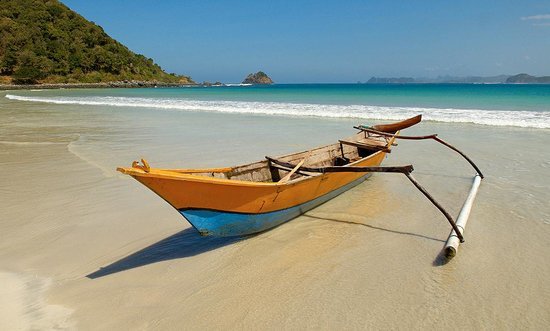
The west coast is the easiest place to find classic beach days. Crystal Bay is a long sandy cove with clear water and good snorkelling right off the shore; it’s also one of the more developed areas for tourism on the island. Gamat Bay and nearby inlets offer calm water for swimming and relaxed afternoons watching the sunset.
Best for: snorkellers, beach lovers, travellers wanting easy walk-in sea access and sunset views. This side has more guesthouses, beach bars and a laid-back vibe.
South and south-west: Kelingking, Broken Beach, Angels Billabong — iconic viewpoints and dramatic cliffs
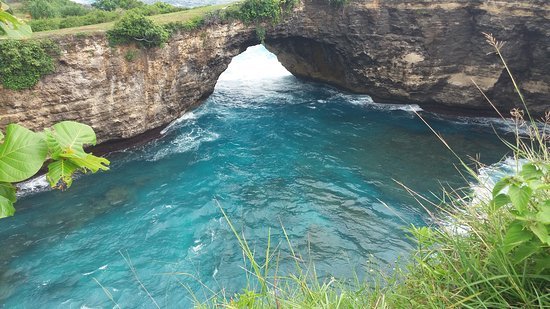
The south and south-west contain the postcard shots everyone seeks: Kelingking’s dinosaur-crest cliff, the natural amphitheatre of Broken Beach (Pasih Uug), and the shimmering pools of Angels Billabong. These spots sit on steep terrain and are often photographed at sunrise or sunset for dramatic light.
Best for: photographers, couples, travellers focused on scenery and iconic viewpoints. Accommodation here ranges from cliffside homestays to boutique resorts; roads are steep, so allow time for transfers.
East: Atuh Beach, Diamond Beach, Rumah Pohon — quiet bays and cliff staircases
The eastern coast has become famous for the jaw-dropping Atuh Beach and the nearby Diamond Beach with its photogenic rock formations and wooden vantage points. The area requires a longer drive from the main harbour and sometimes a short climb down steep steps, but rewards with fewer crowds at dawn and sublime views.
Best for: travellers seeking less-crowded beaches, sunrise photography, and a sense of remote coastal escape. Accommodation here tends to be smaller guesthouses and simple eco-lodges.
North: tranquil bays and local life
The north is quieter and less visited, featuring small fishing villages and coastal stretches that feel more local. It’s a good option if you want to escape the typical tourist trail and enjoy slower-paced days.
Best for: travellers who prioritise tranquillity, longer stays, and a more authentic village experience.
Which side to pick based on your travel type
First-time visitors — stay near Toya Pakeh / Ped
If it’s your first visit and you want easy logistics, staying near the main harbour (Toya Pakeh / Ped) is sensible. You’ll be close to boat connections, a variety of eateries, and organised day tours that visit highlights across the island. From here you can reach most attractions in one-day loops without changing hotels.
Couples and honeymooners — south / south-west for dramatic views
For romance and dramatic scenery, choose accommodation near Kelingking or a cliff-top villa in the south-west. Waking up to towering cliffs and golden light is a memorable experience. Be mindful that roads are steep and some viewpoints require a short but sometimes strenuous descent.
Adventurers and photographers — move between south and east
If you’re chasing the best shots and don’t mind changing base or undertaking long day trips, split time between the south-west (for Kelingking and Broken Beach) and the east (for Atuh and Diamond). This minimises dawn-to-dusk commutes and gives more time for golden-hour photography.
Families and easy beach days — west Coast
Families usually prefer the west for calmer seas, easier access to snorkelling, more dining choices and simpler logistics. Crystal Bay is shallow and comfortable for children and less physically demanding to reach.
Scuba divers and snorkellers — look for accommodation close to dive operators
Many dive sites (including spots where manta rays are often seen) require early starts. Choose lodging close to reputable dive centres — often found near Toya Pakeh and parts of the west — to keep transfers short on dive days. Confirm pick-up times and equipment arrangements before booking.
Practical tips for choosing a place to stay
- Road conditions: Expect steep, narrow and sometimes bumpy roads. If you plan to rent a scooter, choose experienced drivers and a durable vehicle. Night driving can be challenging, so try to arrive before dusk.
- Travel time over distance: Don’t judge by kilometres alone. A 10–15 km trip can take 30–60 minutes depending on winding roads and traffic.
- Transport options: Hire a local driver for day trips if you prefer not to ride a scooter. Many homestays can arrange drivers and guided excursions.
- Book ahead in high season: Popular viewpoints draw crowds in peak months; secure accommodation early if you want a specific location or a sunset-facing room.
- Check arrival logistics: Confirm which harbour your fast boat docks at and how far your hotel is — transfers may be extra or require waiting for other passengers.
- Weather and sea conditions: Fast boat schedules can be affected by rough seas. Keep flexible plans, especially for inter-island transfers.
Quick picks: Families & easy beaches — Crystal Bay (west). Iconic cliffs & couples — Kelingking/Broken Beach (south-west). Remote beaches & sunrise photography — Atuh/Diamond (east). Central convenience — Toya Pakeh / Ped.
Booking tips and accommodation types
Nusa Penida offers everything from budget homestays and guesthouses to boutique cliffside villas and small eco-resorts. When choosing, look at guest reviews that mention road access, transfers, breakfast quality and host responsiveness. If you value convenience over scenery, select a property close to the harbour; if views and seclusion matter most, expect to trade proximity for atmosphere.
Sample 3-day plans based on base
Base: Toya Pakeh / Ped
- Day 1: Arrive, explore local beaches, relax at a seafront cafe.
- Day 2: Day trip to Kelingking, Broken Beach and Angels Billabong.
- Day 3: Snorkel at Crystal Bay and visit a nearby viewpoint, depart.
Base: East coast (near Atuh)
- Day 1: Arrive and settle; sunset stroll on a nearby headland.
- Day 2: Sunrise at Diamond Beach, relax on Atuh Beach, explore coastal paths.
- Day 3: Short trip to southern viewpoints or a local village visit before departure.
Final thoughts
There’s no single “best” side to stay on Nusa Penida — only the best fit for your interests. If convenience and short transfers matter most, base yourself near the main harbours. If you’re chasing iconic shots and cliff-top drama, choose the south-west. For calmer beach days and family-friendly snorkelling, the west is ideal, while the east rewards early risers with expansive, less-crowded scenery.
Plan around what you want to do, factor in road and boat logistics, and be prepared for beautiful unpredictability — Nusa Penida rewards those who take the extra time to reach its quieter corners.
Happy planning, and safe travels from TravMe Holidays — be ready to fall in love with Nusa Penida’s raw, cinematic coastline.