Nusa Dua Guide: Calm Beaches and Resort Stays in South Bali
A practical guide to Nusa Dua, Bali — discover calm beaches, luxury resorts, family-friendly activities, dining, practical tips and how to include Nusa Dua in your Bali itinerary.
By TravMe Holidays travel team · · Updated · 7 min read
Nusa Dua is Bali’s polished postcard: wide, clean beaches, manicured resorts and a peaceful atmosphere that attracts families, honeymooners and travellers seeking calm. Located on the southern tip of Bali, this enclave combines luxury stays with easy access to cultural and coastal attractions. This guide will help you plan where to stay, what to do, and how to make the most of time in Nusa Dua.
Why choose Nusa Dua?
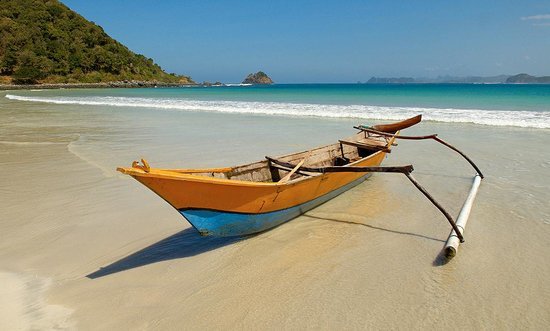
Nusa Dua was developed to be Bali’s premium hospitality zone, so expect well-maintained public spaces, secure compounds and a focus on comfort. Unlike the busy streets of Kuta or the nightlife of Seminyak, Nusa Dua is quiet, clean and designed for relaxation. The beaches here have gentle waves, golden sand and are ideal for swimming, sunbathing and simple water sports. For travellers who prioritise hassle-free comfort, predictability and family-friendly amenities, Nusa Dua is hard to beat.
Getting to Nusa Dua
Nusa Dua is approximately 20–30 km from Ngurah Rai International Airport (Denpasar), and travel times vary with traffic. Transport options include:
- Airport taxi or private transfer — The most convenient, especially with luggage or children. Many resorts offer pre-arranged transfers.
- Metered taxis and ride-hailing apps — Blue Bird taxis and apps like Grab operate across Bali; ensure the driver uses the meter or agree on a fare beforehand.
- Car with driver — Affordable for day trips and flexible itineraries; drivers often act as informal guides.
- Self-drive — Possible if you’re comfortable with local driving conditions; parking is straightforward at most resorts.
Best time to visit
Bali’s dry season (April to September) offers sunnier skies and lower humidity, making it ideal for beach days and outdoor activities. Nusa Dua remains a year-round destination, but expect occasional rain and short downpours during the wet season (October to March). If you prefer quieter beaches and deals on accommodation, travel in the shoulder months of April–June or September–October.
Where to stay — types of accommodation
Nusa Dua’s accommodation scene leans towards luxury but includes options to suit different budgets:
- Five-star resorts — Large properties with private beaches, lagoon pools, spas and multiple dining outlets. Ideal for honeymooners and those seeking an all-inclusive or full-service experience.
- Family-friendly resorts — Resorts with kids’ clubs, shallow pools, babysitting services and family suites. Many offer activity programmes for children.
- Mid-range hotels and serviced apartments — Good value for longer stays; convenient for self-catering or travellers who prefer a quieter, simpler experience.
- Villas — Private villas with pools are available for groups or families wanting more space and privacy.
Choosing the right area within Nusa Dua
Most resorts are clustered near the Nusa Dua Beach area and the Bali Collection shopping complex. If you want the most tranquillity, choose a property with direct beach access and large grounds. For convenience, stay near Bali Collection so you can reach restaurants, shops and services on foot.
Beaches and water activities
Nusa Dua’s coastline is characterised by wide sandy beaches and calm waters, thanks to offshore reefs that shelter the bay. Key beaches and activities:
- Nusa Dua Beach — The main stretch in front of many resorts, excellent for swimming, sunbathing and gentle walks.
- Geger Beach — Quieter with rockier sections; a good spot for sunset and casual snorkelling when tides permit.
- Water sports — Jet-skiing, parasailing, banana boat rides and stand-up paddleboarding are widely available. Operators on the beach offer packages; choose licensed vendors and confirm safety equipment.
- Snorkelling and diving — Nearby reefs offer basic snorkelling; for better dive sites, ask your resort or dive shop for day trips to more remote locations.
Dining — where to eat
Nusa Dua’s dining scene is centred around resort restaurants and the Bali Collection. You’ll find a mix of international cuisine and Balinese specialities. Highlights and tips:
- Resort restaurants — Often offer high-quality meals and buffet breakfasts. Book tables for themed dinners and beachfront dining.
- Local warungs — Small family-run eateries near the perimeter roads serve authentic Indonesian food at lower prices. Try nasi campur, mie goreng and fresh seafood.
- Seafood dinners — Many restaurants serve grilled fish and seafood platters. Opt for places with good hygiene ratings.
- Bali Collection — A convenient hub with cafés, bars and international restaurants; good for casual meals and shopping.
Activities beyond beach lounging
While the beach is the main draw, Nusa Dua offers varied activities to fill your days:
- Spa and wellness — Bali is famous for its spa culture; most resorts have excellent spa facilities offering massages, scrubs and holistic treatments.
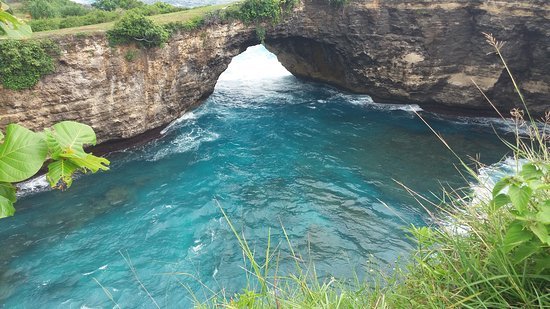
- Cultural experiences — Visit the nearby Waterblow for dramatic waves, or attend traditional dance performances at the Bali Nusa Dua Theatre, including the renowned Devdan Show featuring Indonesian cultural highlights.
- Golf — There is a quality golf course nearby for those who want a round in a scenic setting.
- Shopping and markets — Bali Collection and local markets provide souvenirs, clothing and handicrafts.
- Day trips — Nusa Dua makes a peaceful base for excursions to Uluwatu, Jimbaran seafood dinners, Seminyak’s boutiques or cultural sites like Tanah Lot and Ubud with a longer day.
Family travel tips
Nusa Dua is especially well-suited for family holidays. Here are practical pointers:
- Choose a family-friendly resort with pools suitable for children, kids’ clubs and babysitting services.
- Safety first: although beaches are calm, always supervise children in the water and ask about lifeguard availability.
- Plan activities with downtime in mind — nap times and relaxed meal schedules keep little ones happy.
- Food options: Many resorts cater to children with kid-friendly menus and early dining times.
Practical tips and local customs
To enjoy Nusa Dua responsibly and comfortably, keep these local tips in mind:
- Respect temple etiquette: If visiting temples or cultural sites, dress modestly and follow guidance on sarongs and behaviour.
- Sun safety: Bali’s sun is strong. Use reef-safe sunscreen, stay hydrated and avoid peak sun hours where possible.
- Cash and cards: Many resorts and larger shops accept cards, but carry some cash for smaller vendors and tips.
- Bargaining: Bargaining is common in local markets but not in fixed-price establishments like malls or most resort shops.
- Plastic reduction: Bali has initiatives to reduce plastic. Bring a reusable bottle and say no to single-use plastics where possible.
Safety & health
Nusa Dua is generally safe for travellers. Usual travel precautions apply:
- Keep valuables in a hotel safe and use reputable transport providers.
- Carry basic medical supplies; most resorts can arrange medical assistance if needed.
- Drink bottled or filtered water if you are unsure about tap water; many hotels provide filtered water stations.
Sample itineraries
Here are a few ways to structure your stay depending on the length and purpose of your trip:
- Weekend relaxer (2–3 days): Arrive and settle into your resort, enjoy beach time, spa session and a sunset dinner at Bali Collection.
- Family escape (4–6 days): Alternate pool and beach days with a kids’ activity day, a cultural show, and a day trip to Uluwatu or Jimbaran seafood night.
- Base for exploration (7+ days): Use Nusa Dua as a peaceful base and take day trips to Ubud, Tanah Lot, East Bali or Nusa Penida for more adventurous excursions.
Pro tip: Book spa treatments and themed dinners in advance during peak season; resorts get fully booked for special events and weekend evenings.
How Nusa Dua compares to other south Bali areas
If you are deciding between staying in Nusa Dua or another south Bali neighbourhood, here are the main differences:
- Nusa Dua vs Kuta: Nusa Dua is quieter, cleaner and more family-oriented; Kuta is lively with more nightlife and budget options.
- Nusa Dua vs Seminyak: Seminyak has boutique shopping and a trendy dining scene; Nusa Dua has a resort-centred, relaxed vibe.
- Nusa Dua vs Uluwatu/Jimbaran: Uluwatu and Jimbaran offer dramatic cliffs, surf and seafood culture; Nusa Dua is flatter and better for swimming.
Booking and budget tips
To get the best value:
- Book directly with resorts for added perks like airport transfers, room upgrades or complimentary breakfast; compare deals on trusted booking platforms.
- Visit in shoulder seasons for lower room rates and fewer crowds.
- Consider packages that include meals or spa credits if you plan to use those services.
Conclusion
Nusa Dua provides a soothing contrast to Bali’s more bustling pockets. With calm beaches, generous resort facilities and family-friendly amenities, it’s the place to recharge while staying within reach of the island’s cultural and natural highlights. Whether you want a pampered escape, a family holiday or a peaceful base for exploration, Nusa Dua balances comfort with convenience — a refined corner of Bali worth savouring.