Where to Stay in Dwarka: Near the Temple or by the Sea
Deciding between staying near Dwarkadhish Temple or by the sea? This guide compares neighbourhoods, hotel types, budgets and travel tips to help you pick the best base for your Dwarka visit.
By TravMe Holidays travel team · · Updated · 5 min read
Dwarka balances spiritual intensity and coastal calm. Pilgrims flock to the centuries-old Dwarkadhish Temple, while travellers seeking peace and sunsets often prefer shoreline stays. Choosing where to stay affects your daily rhythm — whether you want immediate temple access for early darshan or prefer waking up to sea breeze and quiet beaches. Here’s a practical guide to help you decide and plan the best stay in Dwarka.
Two main choices: Temple-side or Seaside
At the heart of the decision are two contrasting experiences:
- Near Dwarkadhish Temple: Close to the spiritual action, cultural streets and many food options. Ideal for devotees and first-time visitors who prioritise convenience.
- By the sea: Quieter, scenic stays with sea views or beach access. Great for couples, families and travellers who want relaxation after temple visits.
Staying near Dwarkadhish Temple: Pros, cons and neighbourhoods
Why choose temple-side?
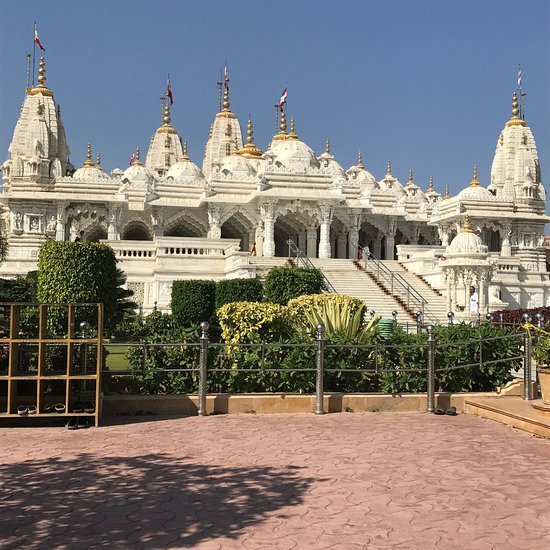
Staying within walking distance of the Dwarkadhish Temple is the obvious choice for pilgrims. You save time and energy on travel, can perform early morning or late evening darshan, and immerse yourself in festival activity if you visit during Janmashtami or other religious events.
Pros
- Easy access to the temple for darshan, aarti and rituals.
- Plenty of budget hotels, dharamshalas and mid-range options.
- Close to markets selling prasad, puja items and local crafts.
- Good local transport links to Gomti Ghat and bus/rail connections.
Cons
- Busy streets, especially during peak pilgrimage seasons and festivals.
- Noise and crowds may affect those seeking peace and solitude.
- Rooms near the temple can be basic at lower budgets due to demand.
Recommended localities near the temple
- Shivaji Road and Temple Complex area: Walkable to Dwarkadhish Temple; plenty of guesthouses and simple hotels. Best for pilgrims who will be at the temple most of the time.
- Inside the Old City: Steeped in local life and rituals. Choose an accommodation with good ventilation and comfortable amenities to offset the hustle.
Staying by the sea: Pros, cons and where to look
Why choose seaside?
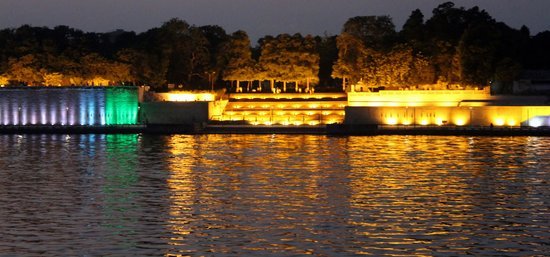
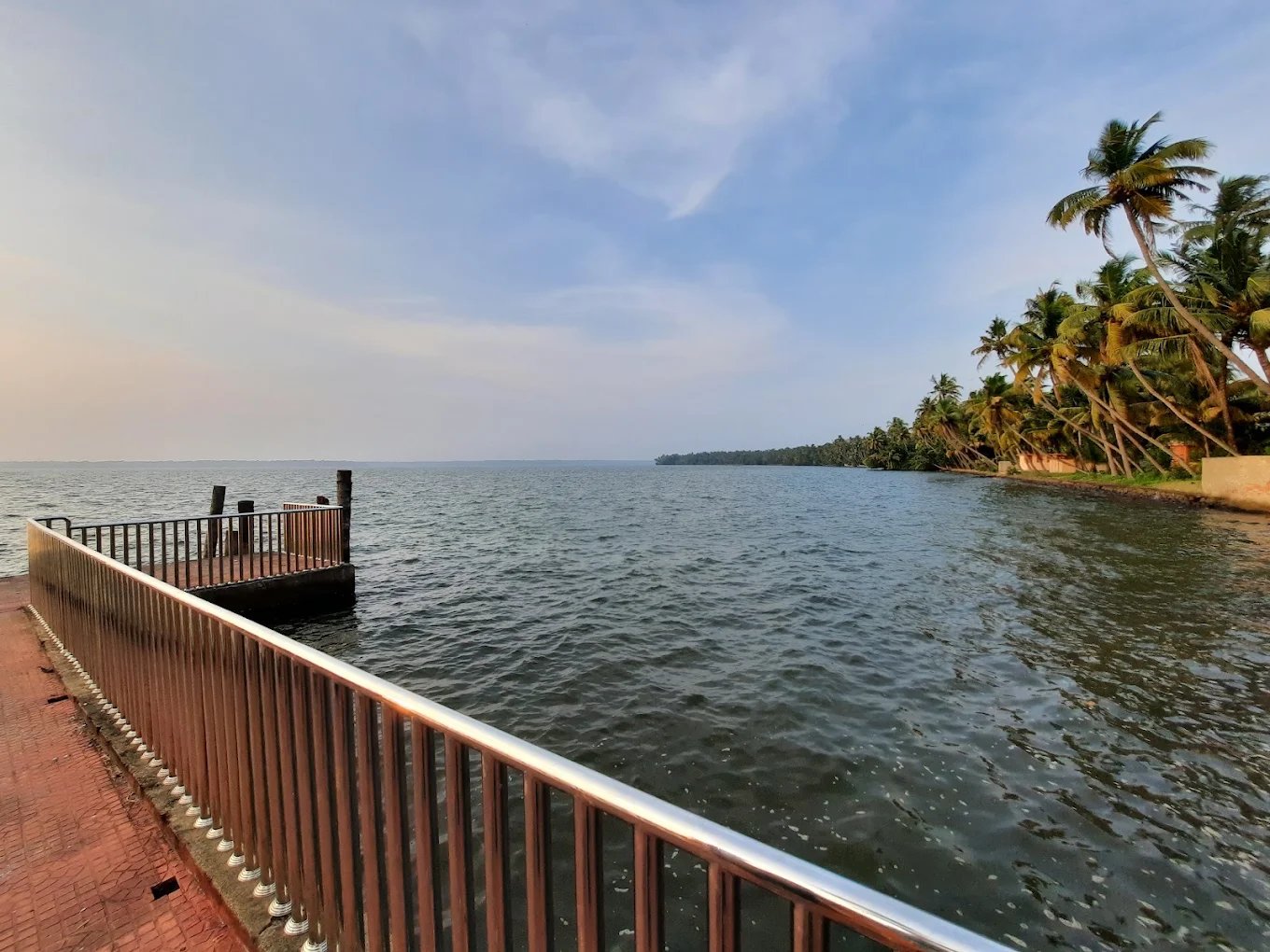
Seaside stays in Dwarka — around Dwarka Beach, Gomti Ghat and nearby coastal stretches — offer tranquillity, fresh air and memorable sunsets. Many resorts and boutique hotels capitalise on coastal views, making them attractive for couples and families.
Pros
- Calm environment and scenic vistas along the Arabian Sea.
- Typically more space and facilities: gardens, terraces and larger rooms.
- Ideal for relaxation after pilgrimage or sightseeing.
- Good for sunset walks, beach photography and nature-focused mornings.
Cons
- Usually a short drive away from the main temple; factor in travel time for early darshan.
- Fewer budget options immediately on the coast; resorts may be mid-range to upscale.
- Limited late-night food options compared with the temple area.
Recommended seaside localities
- Dwarka Beach and Gomti Ghat area: Central for beach access and easy drives to the temple. Look for hotels with verandahs or sea-facing rooms.
- Beyt Dwarka access points: If you plan a boat trip to Beyt Dwarka, choose a stay closer to the harbours for an early start.
Types of accommodation: Matching needs to options
Budget pilgrims
Dharamshalas, basic lodges and small hotels near the temple offer economical stays. These are practical for visitors who spend most time at the temple and outside. Check for cleanliness, attached bathroom options and early breakfast availability.
Mid-range travellers and families
Choose family-run hotels near the temple or beachside mid-range properties with good amenities like attached bathrooms, in-house dining and travel desk services. These balance comfort with convenience for longer stays.
Luxury and boutique stays
Seaside resorts and some premium hotels offer spacious rooms, sea views, gardens and dining services. These are best for travellers who prioritise relaxation, privacy and a resort-style stay after their temple visits.
Heritage and spiritual stays
For an immersive experience, consider some heritage hotels or homes that offer traditional Gujarati hospitality and closer involvement in local rituals. These can add cultural depth to your pilgrimage.
Practical tips for choosing and booking
- Plan according to your priorities: If darshan times and temple rituals are central, choose temple-side. If rest and scenery matter more, pick the coast.
- Book early for festivals: Janmashtami, Shivratri and other religious dates attract crowds — book well in advance.
- Transport: Auto-rickshaws and taxis are available, but a short walk from the temple saves time. If staying by the sea, factor in travel for early morning darshan.
- Check room ventilation and mosquito control: Coastal stays can be breezy but also mosquito-prone in certain months.
- Meals and dietary needs: Many temple-side eateries serve simple sattvik meals. Seaside hotels may offer a broader menu, including seafood where available; ask about pure vegetarian options if needed.
- Money and connectivity: ATMs and mobile networks are generally available but carry some cash for small purchases and offerings.
Sample itineraries based on where you stay
Temple-side stay: two-day visit
- Early morning: Walk to Dwarkadhish Temple for sunrise darshan and aarti.
- Late morning: Explore local markets and enjoy prasad at a traditional eatery.
- Afternoon: Visit Rukmini Devi Temple and Beyt Dwarka (boat trip).
- Evening: Return for temple aarti or a quiet stroll near Gomti Ghat.
Seaside stay: two-day visit
- Morning: Watch the sunrise over the Arabian Sea; beach walk and breakfast at the hotel.
- Midday: Drive to Dwarkadhish Temple for darshan and explore the temple precincts.
- Afternoon: Relax at the hotel, enjoy local coastal cuisine.
- Evening: Sunset at Dwarka Beach or a guided boat trip to Beyt Dwarka.
Safety, etiquette and local customs
- Dress modestly inside temple premises — shoulders and knees covered are preferred.
- Follow temple rules about photography, footwear and donations.
- Respect queueing systems and priest instructions during aarti and rituals.
- For seaside stays, avoid venturing into the water alone after dusk and follow local advice on tides.
Tip: If you want both experiences without frequent driving, choose a mid-point stay near Gomti Ghat — close enough for temple visits and a short walk to the beach.
When to visit
The best months for Dwarka are during the cooler, dry season. Avoid the monsoon if you plan extensive coastal activities. Festival times offer vibrant cultural experiences but expect heavy crowds and higher prices.
Conclusion
Choosing between staying near the Dwarkadhish Temple or by the sea depends on your priorities. Pilgrims and first-time visitors will value temple-side convenience, while those seeking relaxation and scenic views will prefer seaside hotels. If you want a blend of both, pick a location near Gomti Ghat to enjoy quick temple access and easy beach walks. Whatever you choose, Dwarka’s mix of devotion and coastal charm ensures a memorable stay.