Where to Stay in Bali: Choosing the Right Area for Your Trip
Bali offers neighbourhoods for every traveller — from Ubud’s rice-terraced calm to Seminyak’s chic boutiques and Uluwatu’s cliffside surf. This guide helps you pick the best area for your trip style and logistics.
By TravMe Holidays travel team · · Updated · 6 min read
Bali is a compact island with wildly different vibes across its regions. Choosing where to stay shapes your experience — whether you want yoga and rice fields, beach clubs and shopping, world-class surf, or serene family time. This guide walks you through Bali’s main areas, what to expect from each, and practical tips to match a neighbourhood to your travel style.
Quick overview: Bali’s main areas at a glance
- Ubud – Inland cultural hub known for temples, rice terraces, wellness and a slower pace.
- Seminyak – Upscale beach area with boutiques, lively restaurants, and stylish beach clubs.
- Kuta & Legian – Budget-friendly, busy beachfront with nightlife and surf for beginners.
- Canggu – Hipster surf enclave with cafés, co-working spots and rice-field villas.
- Uluwatu & Bukit Peninsula – Rugged cliffs, premium surf breaks and quieter luxury stays.
- Jimbaran & Nusa Dua – Calm beaches, family resorts and easy airport access.
- Sanur – Laid-back seaside town with a promenade and relaxed island vibe.
Deep dive into each area
Ubud — culture, wellness and nature
Ubud sits inland amid terraced rice fields and rainforest. It’s the go-to for travellers seeking art, spirituality and wellness retreats. Expect yoga studios, organic cafés, art galleries, traditional dance performances and day trips to nearby waterfalls and temples. Accommodation ranges from boutique guesthouses and eco-lodges to luxury villas with private pools.
Best for: couples, wellness seekers, culture lovers, those who prefer a quieter base and don’t mind driving to beaches.
Seminyak — style, dining and nightlife
Seminyak is Bali’s stylish playground with high-end boutiques, designer hotels and a bustling restaurant scene. The beach clubs here get lively at sunset. Seminyak is more refined than neighbouring Kuta, offering a good balance of daytime relaxation and evening entertainment.
Best for: foodies, shopaholics, honeymooners and travellers who want comfort close to the beach without the chaos of Kuta.
Kuta & Legian — budget and party central
Kuta is the classic backpacker strip with affordable stays, packed beaches and a nightlife scene that runs late. Legian sits between Kuta and Seminyak, offering a slightly calmer vibe but still lots of restaurants and bars. Both are good for beginner surfers and travellers on a tight budget.
Best for: solo travellers, party-goers, budget-conscious families who prioritise convenience and lively evenings.
Canggu — coffee, co-working and surf culture
Canggu has transformed from sleepy village to Bali’s creative hub. Expect leafy streets, wave-friendly beaches, vegan cafés, rice-field photo spots and coworking spaces. Canggu can be spread out, so choose a location close to the beach or main roads depending on your priorities.
Best for: digital nomads, surfers, younger couples and travellers who like a trendy but relaxed atmosphere.
Uluwatu & the Bukit — dramatic cliffs and premium surf
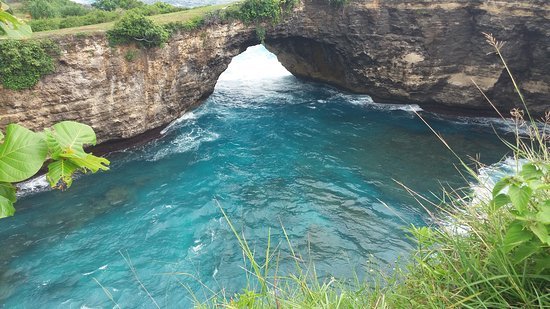
The Bukit Peninsula is prized for cliff-top views, secluded beaches and some of Bali’s best surf breaks. Accommodation tends to lean towards luxury villas and boutique resorts perched above the ocean. Note that roads can be steep — this area is more about downtime and dramatic scenery than nightlife.
Best for: advanced surfers, honeymooners seeking privacy, travellers wanting scenic luxury and dramatic sunsets.
Jimbaran & Nusa Dua — families and tranquillity
Jimbaran is famous for its seafood dinners on the beach and relatively calm waters, while Nusa Dua hosts larger resort complexes and manicured beaches designed for family comfort. These areas are quieter at night and offer easy airport access, making them practical choices for families and travellers looking for convenience.
Best for: families, older travellers, beach relaxation and those wanting easy transfer times to the airport or cruise terminals.
Sanur — slow pace and old-Bali charm
Sanur keeps a steady, old-Bali rhythm with a long seaside promenade ideal for morning walks. The water is calm, good for swimming and family snorkelling. It’s less about clubs and more about relaxation, traditional markets and local cafés.
Best for: older travellers, families, couples who prefer a mellow pace and easy access to local life.
Choose by travel style: matchmaking advice
- First-timers: Split your stay — a couple of nights in Seminyak or Canggu for beaches and nightlife, plus a few nights in Ubud to explore culture and nature.
- Budget travellers: Kuta and Legian offer the lowest-cost options and lively streets. Consider guesthouses or hostels and use local eateries.
- Luxury seekers: Seminyak, Uluwatu and Nusa Dua host high-end resorts, private villas and personalised services.
- Families: Nusa Dua, Jimbaran and Sanur for calm waters, resort amenities and practical access to attractions.
- Surfers: Canggu for consistent beginner to intermediate waves; Uluwatu and Padang Padang for advanced breaks.
- Digital nomads: Canggu for coworking and community; Seminyak has good cafes too but is pricier.
- Honeymooners: Choose a romantic villa in Ubud or a cliff-top villa in Uluwatu for privacy and views.
Practical considerations
Transport and distances
Bali’s traffic can be heavy, especially between Seminyak, Canggu and Kuta during peak hours. Distances on the map might seem short but travel times vary widely. If you plan daily excursions, staying central to your main interest reduces commute time. Private drivers, taxis and ride-hailing apps are widely available; renting a scooter is common but requires confidence and an international driving permit.
When to book and peak seasons
High season in Bali typically coincides with European and Australian holidays. Book early for popular villas and boutique hotels, especially around festive periods. Shoulder seasons often offer good weather with fewer crowds and more availability.
Safety and health
Bali is generally safe for tourists. Keep usual precautions: secure valuables, use reputable transport, and stay hydrated in the tropical climate. If you plan to swim or surf, check local conditions and heed lifeguards. Travel insurance that covers medical emergencies and activities like surfing is sensible.
Sample itineraries based on length of stay
3–4 days: Highlights
- Base in Seminyak or Canggu for beach time and dining.
- Day trip to Uluwatu for cliff views and a Kecak performance at sunset.
- Half-day cultural visit to Tanah Lot or a spa day at a local wellness centre.
7–10 days: Best of Bali
- Split time between Ubud (3–4 nights) for culture and nature, and a beach base (3–4 nights) in Seminyak/Canggu or Nusa Dua for relaxation.
- Include a day trip to Mount Batur, a snorkelling excursion, and leisure time for dining and spas.
Two weeks+: Slow travel
- Move slowly: a few nights in Ubud, several in Canggu or Seminyak, and a quiet finale in Uluwatu or Nusa Dua.
- Allow time for lesser-known regions: east Bali for traditional villages, or boat trips to nearby islands.
Tip: Consider splitting your stay across two bases — one inland and one beach — to experience Bali’s diversity without long daily transfers.
Booking tips and local etiquette
- Read recent reviews to check traffic noise, mosquito issues and service standards — these can change seasonally.
- If you want a quiet villa, ask about proximity to main roads or beach clubs; some properties advertise tranquillity but are near nightlife.
- Respect temple etiquette: dress modestly and follow local customs during temple visits.
- Negotiating is common at markets but be polite and fair.
Conclusion
Where you stay in Bali should reflect what you want most from the trip: cultural depth, beach parties, surf breaks or serene luxury. For a rounded first visit, split time between Ubud and a beach neighbourhood like Seminyak or Canggu. Families will appreciate Nusa Dua or Jimbaran, while honeymooners may prefer Ubud or cliff-top Uluwatu. With these pointers, choose a base that matches your pace and travel goals — and leave room to explore beyond it. Bali rewards both planned itineraries and spontaneous discovery.