Where to Stay in Ahmedabad: Old City, Riverfront or Western Suburbs
Deciding where to stay in Ahmedabad? Compare the Old City’s heritage charm, the modern convenience of the Sabarmati Riverfront, and the suburban comforts of the western suburbs to match your travel style.
By TravMe Holidays travel team · · Updated · 6 min read
Ahmedabad is a city of contrasts: narrow lanes where centuries-old havelis whisper stories, a shimmering riverfront that blends leisure with civic pride, and wide, leafy western suburbs that host shopping malls, corporate offices and contemporary hotels. Choosing where to stay depends on what you want to experience — heritage walks and local food, quick access to museums and nightlife, or comfort and convenience for business or family travel.
Quick overview: Old City, Riverfront and Western Suburbs
Each part of Ahmedabad offers a distinct travel experience.
- Old City (Pols and Bhadra): Ideal for culture seekers and food lovers who want an immersive, historic stay in traditional guesthouses and heritage hotels.
- Sabarmati Riverfront: Best for first-time visitors who want central access to attractions, scenic walks, and mid-range to luxury hotels with modern comforts.
- Western Suburbs (Prahlad Nagar, SG Highway, Satellite): Suited for business travellers, families and those preferring malls, newer restaurants and quieter roads; abundant chain hotels and serviced apartments.
Staying in the Old City: Heritage, food and lane-side life
The Old City, centred around the Jama Masjid, Manek Chowk and the pols (traditional housing clusters), is where Ahmedabad’s soul is most palpable. Waking up to the sound of temple bells or seeing artisans at work in narrow lanes makes for an unforgettable stay.
What to expect
- Architecture-rich neighbourhoods with havelis, ornate wooden facades and courtyards.
- Winding lanes that are pedestrian-friendly but can be confusing for first-time visitors — navigation apps may not always be accurate here.
- A lively food scene: street eats at Manek Chowk, traditional Gujarati thalis, and mithai shops.
Best for
- History and culture enthusiasts.
- Food explorers and photographers.
- Travellers seeking budget guesthouses or boutique heritage properties.
Pros and cons
- Pros: Authentic local experience, close to UNESCO City initiatives and museums, incredibly walkable for heritage trails.
- Cons: Limited parking, nights can be noisy during festivals, and fewer upscale hotel options.
Staying near the Sabarmati Riverfront: Central, scenic and well-connected
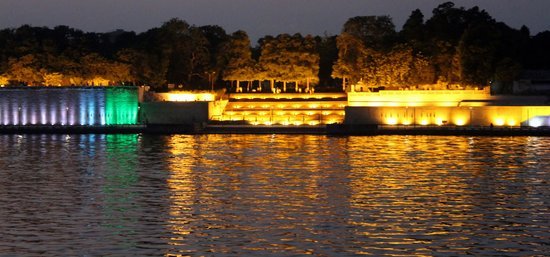
The Sabarmati Riverfront has reshaped Ahmedabad’s urban landscape. With promenades, parks and cultural venues lining the river, this area offers an appealing mix of leisure and accessibility.
What to expect
- Modern hotels and serviced apartments with river views or easy access to the promenade.
- Good road links to the railway station, museums like the Calico Textile Museum and Gandhi Ashram, and the Old City.
- Evening strolls, cycling tracks and occasional cultural events on the riverbank.
Best for
- First-time visitors wanting a central base.
- Couples seeking pleasant walks and river views.
- Mid-range and luxury travellers who prefer reliable amenities and safety.
Pros and cons
- Pros: Central location, better quality hotels, safer and more organised public spaces, easy access to dining and nightlife.
- Cons: Can be more expensive than Old City options, less ‘authentic’ than staying inside the pols.
Staying in the Western Suburbs: Comfort, convenience and contemporary life
The western suburbs — including Prahlad Nagar, SG Highway, Satellite and Navrangpura’s western fringe — are Ahmedabad’s modern face. Corporate HQs, tech parks and expansive malls make this area a practical choice for business and family travellers.
What to expect
- Wide roads, planned residential enclaves and numerous shopping malls, cafes and international restaurants.
- Abundant parking, proximity to major hospitals and convention centres, and newer hotels with consistent service standards.
- Quieter nights compared to the Old City and a much more car-friendly environment.
Best for
- Business travellers attending meetings or conferences.
- Families looking for space, play areas and easy access to malls.
- Long-stay travellers who prefer serviced apartments and apartment-style hotels.
Pros and cons
- Pros: Reliable hotel chains, newer infrastructure, easy airport access, and lots of dining options.
- Cons: Less immediate access to heritage sites; you’ll need to commute for Old City walks and some museums.
How to choose: Match neighbourhoods to trip styles
Here are practical recommendations based on common traveller types.
- Heritage and culture trip: Stay in the Old City or choose a boutique heritage hotel close to Manek Chowk.
- First-time visitor with limited days: Riverfront gives the best compromise — central, scenic and close to many key attractions.
- Business traveller: Western Suburbs for convenience, quick commutes and reliable services.
- Family with kids: Western Suburbs for spacious rooms and family-oriented amenities; Riverfront for relaxed evening walks.
- Budget backpacker: Old City guesthouses offer low-cost stays and a rich local experience.
Practical tips for booking and staying
- Book early for festivals: Ahmedabad’s peak times include Navratri and Uttarayan (kite festival) — hotels fill up fast.
- Check connectivity: If you plan many Old City walks, stay as close as possible to the heritage zones to avoid long tuk-tuk rides.
- Ask about parking: If you’re driving, confirm parking availability — many Old City hotels have limited space.
- Local transport: Auto-rickshaws, cabs and app-based taxis are plentiful; the riverfront and western suburbs are easier to navigate by car.
- Safety: Ahmedabad is generally safe for tourists; usual precautions apply in crowded markets and late-night outings.
Where to eat and what to do nearby each area
Old City
- Mouthwatering Gujarati thalis, street food at Manek Chowk (night market), and traditional sweets.
- Nearby attractions: Jama Masjid, Bhadra Fort, Calico Museum of Textiles (a short ride).
Riverfront
- Cafes and riverside restaurants; great for evening walks and cycling.
- Nearby attractions: Gandhi Ashram, Sabarmati Riverfront Park, museums and art galleries.
Western Suburbs
- Contemporary dining options, family restaurants and international chains near malls.
- Nearby attractions: Diamond or textile showrooms, amusement parks on the fringes, and business hubs.
Sample two-day base and itineraries
Choose one base and plan day trips accordingly.
- Based in the Old City: Day 1: Walk the pols, visit Jama Masjid, eat at Manek Chowk. Day 2: Short ride to Gandhi Ashram and Calico Museum.
- Based at the Riverfront: Day 1: Riverfront promenade, Gandhi Ashram, evening at an arts café. Day 2: Old City walking tour and shopping.
- Based in Western Suburbs: Day 1: Mall, dinner and relaxed evening. Day 2: Full-day heritage excursion to Old City and museums, return by evening.
Final practical checklist
- Confirm proximity to the attractions you prioritise.
- Read recent reviews for cleanliness and service consistency.
- Check cancellation policies and whether breakfast is included.
- Consider a mix — a night in the Old City for atmosphere and another by the Riverfront or in the suburbs for comfort.
Choosing where to stay in Ahmedabad should reflect what you want most from the trip: the living heritage of the Old City, the convenience and vistas of the Riverfront, or the modern comforts of the western suburbs. Each area has its charms and practicalities; combine them if time allows to get a fuller sense of this lively Gujarati metropolis.
Conclusion
Ahmedabad rewards slow exploration and curious food trails. For a heritage-rich, sensory experience pick the Old City; for a balanced, central stay choose the Riverfront; and for reliable comfort and convenience opt for the western suburbs. Whatever you decide, the city’s warm hospitality and vibrant culture will make your stay memorable.