Gurudongmar Lake Across the Seasons: When to Plan Your Visit
Gurudongmar Lake in Sikkim changes dramatically through the year — from a sheet of ice in winter to turquoise splendour in summer. This guide explains seasonal conditions, travel tips, permits and the best time to visit.
By TravMe Holidays travel team · · Updated · 6 min read
Perched high in North Sikkim at an altitude of over 5,000 metres, Gurudongmar Lake is one of India’s most spectacular and sacred high-altitude lakes. The lake’s appearance and accessibility change with the seasons, so planning your visit around weather, road conditions and acclimatisation is crucial. This guide walks you through what to expect across the year and how to prepare for a safe, memorable trip.
Quick facts and first-time essentials
Gurudongmar Lake (Gurudongmar Tso) sits near the Tibetan border in Mangan district, north of Lachen and accessible via Gangtok. The lake is revered by Buddhists and Sikhs alike, and its pristine waters are often frozen well into late spring. Visitors must obtain inner-line permits and plan for high-altitude conditions. Road travel can be long and tiring, so allow time for acclimatisation in Gangtok and Lachen.
Seasonal overview: how the lake transforms
Gurudongmar’s character and accessibility vary widely by season. Below is a month-by-month breakdown and practical notes for travellers:
Winter (December – February)
Winter brings severe cold, heavy snow and prolonged freezing. Temperatures can drop well below freezing even during the day; nights are extremely cold. The lake is usually completely frozen and swaddled in snow, creating a dramatic, monochrome landscape. While the visual reward is unique, travel is difficult and potentially risky.
- Accessibility: Roads may be blocked by snow; access beyond Lachen can be restricted depending on snow clearance and army advisories.
- Experience: Minimal tourist facilities, quiet solitude, stark photography opportunities, and a surreal silence.
- Who should go: Adventurous travellers experienced in high-altitude winter travel, or those travelling with guided groups and proper support.
Spring (March – May)
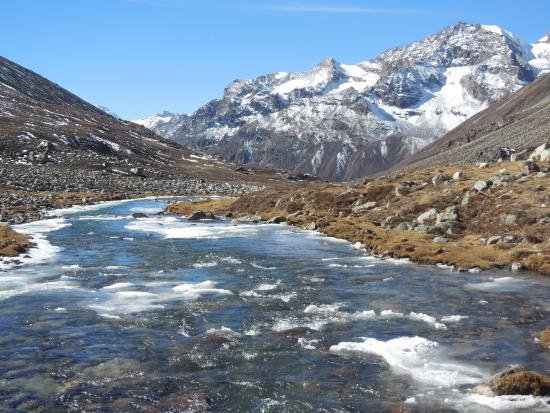
Spring is a transitional period. Snow begins to melt, but higher stretches remain icy into April. The thaw gradually exposes the lake’s colours; by late April or May patches of open water may appear, depending on the year’s snowfall.
- Accessibility: Roads improve as the season progresses, but occasional slips and delays are possible.
- Experience: A mix of snowy scenes and emerging colour — excellent for dramatic photography and fewer tourists compared with summer.
- Who should go: Travellers who want to witness the thaw and enjoy crisp weather without the summer crowds.
Summer (June – August)
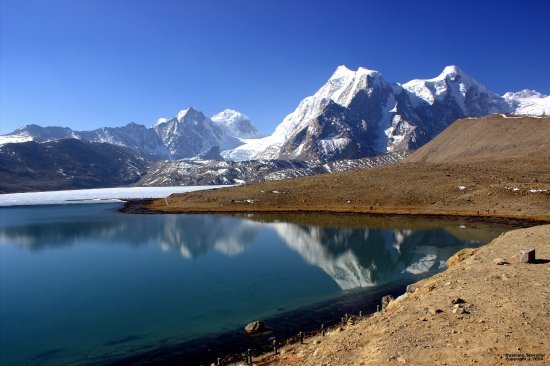
Summer is the most popular time to visit. The lake is usually free of ice, revealing vivid turquoise and deep blue hues against the mountain backdrop. Temperatures are milder in the day but nights remain cold. Roads are generally open and better maintained, although localised repairs can cause delays.
- Accessibility: Best overall road conditions. Lachen serves as the main base for day trips to Gurudongmar.
- Experience: Clear views, accessible trails, and comfortable conditions for acclimatisation and photography.
- Who should go: First-time visitors and families seeking a safer, more comfortable experience.
Monsoon (July – September)
Monsoon in Sikkim is variable. North Sikkim receives far less rain than the south, but low pressure systems and nights of rain can still affect roads. Landslides are less frequent on the high routes to Gurudongmar compared to lower elevations, but heavy rain can lead to temporary closures.
- Accessibility: Generally open, but keep an eye on local weather and road advisories.
- Experience: Rich green valleys below the lake route, occasional mist and cloud cover that can obscure views.
- Who should go: Travellers who don’t mind occasional rain and want fewer crowds than peak summer months.
Autumn (October – November)
Autumn is arguably the best overall time to visit. Clear skies, stable weather and crisp air produce spectacular visibility. Temperatures are cool but manageable during the day. This season offers the classic postcard view of the lake with solid access.
- Accessibility: Roads are typically in good condition with minimal disruptions.
- Experience: Golden light, clear vistas of surrounding peaks and comfortable trekking or photo sessions.
- Who should go: Photographers, nature lovers and travellers seeking ideal conditions without peak-season crowding.
Practical planning: permits, acclimatisation and travel logistics
Gurudongmar requires careful logistical planning because of its altitude and border proximity.
- Inner-line permit: Indian nationals need permits issued by the Sikkim Tourism Department; foreigners require Restricted Area permits. These are usually arranged via tour operators or at permit offices in Gangtok. Carry original ID documents.
- Acclimatisation: Spend at least 2 nights in Gangtok and 1–2 nights in Lachen or nearby to acclimatise. Symptoms of acute mountain sickness (AMS) include headache, nausea, dizziness and shortness of breath. Take it slow, hydrate and avoid alcohol.
- Transport: Most travellers reach Gurudongmar via shared taxis or private vehicles from Lachen. Travel times vary with road conditions; expect early starts and long days.
- Guides and porters: Hiring a local guide or joining a trusted tour helps with permits, logistics and cultural context.
Remember: altitude, not distance, determines your risk. If you feel unwell at high altitude, descend immediately and seek medical attention.
Packing checklist for Gurudongmar across seasons
Weather can shift rapidly. Pack for cold, wind and strong sun even in summer.
- Layered clothing: thermal base layers, fleece, down jacket, windproof shell.
- Warm accessories: gloves, woollen hat, neck buff and warm socks.
- Sun protection: high-SPF sunscreen, sunglasses with UV protection and a wide-brim hat.
- Footwear: sturdy, insulated trekking shoes with good grip.
- Health and safety: basic first-aid kit, AMS medication if prescribed, water purification tablets, high-energy snacks.
- Electronics: spare batteries or power banks (cold drains batteries fast), camera with lens cloth.
Photography tips by season
- Winter: Use neutral density or polarising filters to reduce glare on ice; overexpose slightly to capture snow detail. Protect batteries from cold.
- Spring: Early mornings can produce dramatic light on thawing ice. Look for reflections in meltwater pools.
- Summer/Autumn: Midday light is harsh—shoot during golden hours for deep colours and softer shadows. Wide-angle lenses capture the scale of the lake and peaks.
Cultural and environmental considerations
Gurudongmar is sacred. Respect local customs and maintain quiet reverence at the waters. On the environmental side, the lake sits in an ecologically sensitive zone. Avoid littering, stay on designated paths and follow instructions from local authorities.
Alternate plans and nearby attractions
If weather or permits prevent a visit to Gurudongmar, North Sikkim still offers several alternatives:
- Cholamu Lake — another high-altitude lake with serene surroundings.
- Tsomgo (Changu) Lake and Baba Mandir — closer to Gangtok and accessible year-round.
- Lachen village — explore local monasteries, traditional Sikkimese cuisine and tranquil highland scenery.
When to plan your visit: a practical recommendation
For most travellers from India, late April to June and October to early November strike the best balance between accessibility, weather and scenic beauty. If you prioritise solitude and are prepared for extreme conditions, winter offers a hauntingly beautiful experience. Monsoon travellers should be flexible and monitor local road updates.
Whatever time you choose, prioritise acclimatisation, respect local regulations and travel with adequate preparation. Gurudongmar is not just a destination — it’s an encounter with high-altitude nature and sacred landscape that rewards thoughtful planning.
Conclusion
Gurudongmar Lake is a year-round marvel whose mood shifts dramatically with the seasons. Choose your travel window according to the experience you seek: pristine ice and solitude in winter, thawing drama in spring, calm blues in summer and crystal-clear vistas in autumn. With the right planning — permits, acclimatisation and a flexible itinerary — a visit to Gurudongmar can be a deeply rewarding highlight of any Sikkim trip.