Weekend Getaway to Gangtok: How to Make the Most of Two Days
A practical two-day Gangtok itinerary with transport options, must-see sights, local food, permit tips and packing advice to help you enjoy a compact yet memorable Sikkim weekend.
By TravMe Holidays travel team · · Updated · 7 min read
Gangtok, the charming capital of Sikkim, is perfectly suited for a weekend escape: compact enough to explore in two days yet rich in culture, mountain views and unique experiences. This guide helps you plan a comfortable, well-paced 48-hour trip so you can soak in monasteries, local flavours, scenic viewpoints and a Himalayan lake without feeling rushed.
Before You Go: Practicalities and Permits
Plan your trip basics before you arrive. Gangtok sits at roughly 1,650 metres, so acclimatisation is mild for most travellers, but expect cooler evenings. If you are travelling from elsewhere in India, common access routes are by road from Siliguri/New Jalpaiguri or by a short flight to Pakyong Airport (about 35 km from Gangtok).
Permits and ID
Indian nationals do not need a special permit to enter Gangtok city, but you must carry government ID (Aadhaar, Voter ID or passport). Foreign nationals should check entry requirements—specific protected areas in Sikkim require a Restricted Area Permit (RAP) or Protected Area Permit (PAP) issued through the Ministry of Home Affairs, either online or at designated counters in Siliguri/NJP. Popular day-trips such as Nathula Pass require additional permits and are subject to military control, seasonal openings and advance booking.
Best Time to Visit
For a comfortable weekend, the ideal months are March to June (spring to early summer) and September to November (autumn). Winters (December–February) are cold with occasional snowfall at higher elevations; monsoon brings landslides and sporadic road closures. Always check local weather and road conditions a day before travel.
How to Reach Gangtok
Choose the option that suits your schedule and budget.
- By Air: Pakyong Airport is the nearest, about 35–40 km from Gangtok. Flights are limited; bookings can be affected by weather. From the airport a taxi or hotel transfer will take about 1–1.5 hours depending on traffic.
- By Train: New Jalpaiguri (NJP) or Siliguri Junction are the nearest major railheads. From NJP expect a 4–5 hour drive to Gangtok by taxi or shared vehicle.
- By Road: Regular taxis and private cars ply from Siliguri, NJP and Kalimpong. The roads are scenic but winding—plan travel time accordingly.
Where to Stay
Gangtok has accommodation for every budget. For first-time visitors, choose a hotel near MG Marg or Deorali for easy access to restaurants, shops and local transport. If you prefer quieter stays with mountain views, ask for rooms facing the Kanchenjunga range, weather permitting.
48-Hour Itinerary: Make the Most of Two Days
Below are two practical 2-day plans: one that focuses on classic Gangtok sights, and another for travellers who prefer a scenic lake and monastery experience.
Itinerary A — Classic Gangtok Highlights (Best for first-timers)
Day 1 — Central Gangtok and Local Views
- Morning: Start at Enchey Monastery — a short drive from the town centre, known for its quiet ambience and colourful prayer flags. Spend 30–45 minutes here.
- Mid-morning: Visit the Directorate of Handicrafts & Handloom and the nearby Namgyal Institute of Tibetology if interested in Buddhist art and Sikkimese culture.
- Lunch: Head to MG Marg and choose from local cafes serving thukpa, momos and Nepali-Sikkimese dishes.
- Afternoon: Walk MG Marg (car-free zone) and explore the local shops. Take the Gangtok Ropeway for panoramic views over the city and hills (check operating times).
- Evening: Sunset at Tashi Viewpoint or Hanuman Tok for clear vistas of the eastern Himalaya when skies are favourable.
Day 2 — Rumtek Monastery and Optional Short Excursion
- Early morning: Drive to Rumtek Monastery (approx. 20–30 km from Gangtok). Allocate at least 2–3 hours to appreciate the monastery complex and its serene surroundings.
- Late morning: Return towards Gangtok, stopping at Do Drul Chorten stupa and the nearby Flower Exhibition Centre if open.
- Lunch: Try local home-style Sikkimese food—phagshapa (pork and radish) for meat-eaters, or gundruk and leafy greens for vegetarians.
- Afternoon: Free time for souvenir shopping, a short nature walk or a visit to the Nam Nang Viewpoint. Consider a short tea time at a cafe overlooking the hills.
- Evening: Relax at MG Marg, watch a local cultural show if available, and enjoy a leisurely dinner.
Itinerary B — Lake and Mountain Views (Tsomgo Lake & Baba Mandir)
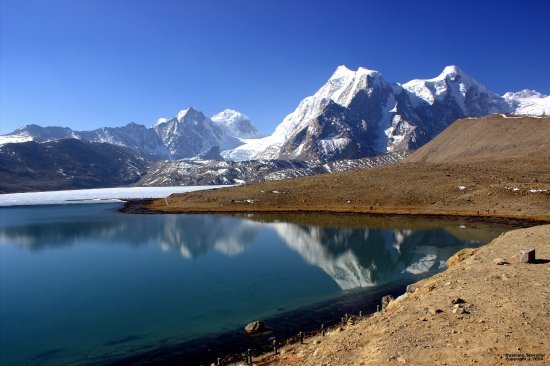
If you prefer a nature-focused weekend and don’t mind an early start, this is a popular option. Note: Tsomgo (Changu) Lake and Baba Harbhajan Singh Temple are about 40 km one-way and require permits and a vehicle with a local driver; closures can occur in winter.
- Day 1 — Local Gangtok: Same as Itinerary A — enjoy MG Marg, Ropeway and nearby monasteries to acclimatise and explore the town.
- Day 2 — Tsomgo Lake & Baba Mandir
- Early morning: Depart by 4x4 or government tourist taxi to Tsomgo Lake (Changu Lake). The drive takes around 2–3 hours depending on road conditions.
- At the lake: Walk the short trail around the lake, enjoy yak rides if available, and take photographs of the high-altitude scenery.
- Visit Baba Harbhajan Singh Mandir nearby; it’s a unique military shrine with its own stories and local reverence.
- Return to Gangtok by late afternoon, stopping at viewpoints for sunset if timing allows.
Food and Nightlife
Gangtok’s food scene is delightful on a compact scale. Must-try items include:
- Momos and thukpa — Himalayan staples available everywhere.
- Local Sikkimese dishes such as gundruk (fermented leafy vegetable), sael roti and various meat stews.
- Tea shops offering local Himalayan blends and cafes serving continental options for lighter meals.
Evenings in Gangtok are relaxed. MG Marg is the social hub with cafés, live music on some nights and small shops that stay open late. Nightclubs are limited; the vibe is low-key and family-friendly.
Packing Checklist and Health Tips
Pack smart for a short mountain trip:
- Layered clothing: light woollens, a warm jacket for evenings, and a waterproof layer for sudden rains.
- Comfortable walking shoes with good grip; some streets and trails are uneven.
- Sun protection: sunglasses, sunscreen and a hat—UV can be strong at altitude.
- Basic medicines: motion-sickness tablets for winding roads, altitude sickness remedies (acetazolamide only if prescribed), and a small first-aid kit.
- Power banks and local currency; some remote shops may not accept cards.
Altitude and Health
Gangtok’s elevation is moderate but if you plan higher excursions to Tsomgo Lake or passes, be aware of mild altitude effects: headaches, breathlessness or nausea. Stay hydrated, avoid strenuous activity in the first few hours after arrival and inform your guide or hotel if symptoms persist.
Safety and Responsible Travel
Sikkim is generally safe, but a few practical tips help keep your weekend stress-free:
- Keep ID and permits handy; police or army checkpoints are common on routes to restricted areas.
- Respect local customs at monasteries: remove hats, speak softly and ask before taking photographs of monks or rituals.
- Avoid single-night treks or unaccompanied hikes; stick to marked trails and informed guides for excursions outside the town.
- Support local businesses—buy handicrafts and sample home-cooked food to benefit local families.
Pro tip: Start early on both days. Mountain views and clear skies are most likely in the early morning; fog and clouds often roll in by late afternoon.
Customising Your Weekend
Two days is short but flexible. If you prefer culture over nature, swap the lake trip for longer visits to Institute of Tibetology, local craft centres and attending a monastery prayer session. If you love landscapes, plan Tsomgo Lake and Rumtek with minimal town activities. Always discuss timing with your driver—local traffic and weather can add time to small distances.
Sample Budget Considerations
Costs vary by travel style. Budget travellers can stay in guesthouses and use shared taxis; mid-range travellers will find comfortable hotels near MG Marg and hire private taxis for day trips. Factor in permit fees for foreigners or passes for specific scenic spots. Avoid assuming availability of every activity—confirm bookings for Pakyong flights, Nathula permits or guided tours well before departure.
Final Tips for a Smooth Weekend
- Check local festivals—Losar, Saga Dawa and others can add cultural richness but also increase crowds and accommodation demand.
- Keep an alternate plan: if a pass or lake is closed due to weather, Rumtek and MG Marg are excellent fallbacks.
- Use local guides for historical context—monastery and local culture guides enrich the short time you have.
- Be mindful of waste; help keep Sikkim clean by avoiding single-use plastics where possible.
With a little planning, a weekend in Gangtok can be a delightful blend of Himalayan views, spiritual calm and tasty food. Whether you choose to linger in town or chase alpine lakes, these two days can leave you wanting more of Sikkim’s gentle heights.
Conclusion: Two days in Gangtok gives you a compact but satisfying slice of Sikkim. Prioritise what matters to you—culture, scenery or cuisine—book any required permits in advance, start early and leave space for serendipity. You’ll return with mountain memories and a plan to come back for deeper exploration.