Uluwatu Guide: Clifftop Temples and Hidden Beaches
A practical, insider guide to Uluwatu — Bali’s dramatic clifftop temples, world-class surf breaks and hidden beaches, with tips on getting around, best time to visit, safety and where to stay.
By TravMe Holidays travel team · · 6 min read
Uluwatu, perched on Bali’s southernmost cliffs, blends dramatic ocean vistas with laid-back surf culture and sacred Balinese tradition. This guide will help you explore Uluwatu’s iconic clifftop temples, unearth secluded beaches, catch a sunset kecak dance, and navigate practicalities so your trip is smooth and memorable.
Why Uluwatu is special
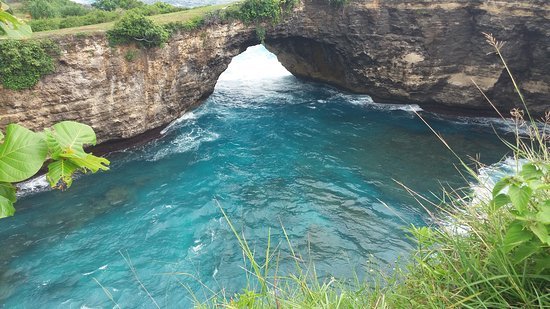
Uluwatu is not one place but a collection of cliff-top lookouts, small temple compounds and narrow paths that drop steeply to a string of beaches and surf breaks. It’s loved for its raw coastal scenery, world-renowned waves, and the spiritual atmosphere around Uluwatu Temple. Whether you’re a surfer, a sun-worshipper or a culture seeker, Uluwatu offers a mix of experiences within a compact area.
Must-see spots
Uluwatu Temple (Pura Luhur Uluwatu)
This sea temple is one of Bali’s six key directional temples and sits dramatically on a 70-metre limestone cliff. Aside from the sacred architecture and Hindu rituals, the temple is famous for sunset views and the evening kecak-fire dance performance. Dress respectfully when visiting the temple—sarong and sash are required for entry and usually available to rent at the gate.
Padang Padang Beach
A small, sandy bay reached via a narrow stairway through a rock passage, Padang Padang is popular with swimmers and intermediate surfers. The beach has a friendly vibe with a handful of warungs and shade. It can get crowded at peak times, so early morning or late afternoon are best for quieter moments.
Bingin Beach
Bingin sits under steep limestone cliffs and is a favourite for surfers thanks to its reef breaks. The beach has terraces and cafés on the cliff top offering great sunset views. The descent is steep and uneven—good footwear is necessary.
Suluban/Blue Point
Also known as Blue Point, Suluban Beach is notable for its cave-like entry and narrow walkways that lead to a cavernous shoreline. The surf here is powerful; swimmers should be cautious. The viewpoint above the cave is excellent for photos and watching surfers pick lines on the reef below.
Green Bowl and Nyang Nyang
For those seeking solitude, Green Bowl and Nyang Nyang beaches are worth the effort. Green Bowl requires a long stair descent through limestone cliffs and features a small sea cave and praying area. Nyang Nyang is more remote and expansive—perfect for long walks but with minimal facilities.
Culture: Kecak dance and temple etiquette
The kecak fire dance at Uluwatu is one of Bali’s most evocative performances, staged at sunset with the ocean as a backdrop. It retells portions of the Ramayana through chanting and movement—arrive early to secure good seating for the sunset silhouette.
When visiting temples remember:
- Wear a sarong and sash; cover shoulders and knees.
- Respect signs and restricted areas—some zones are off-limits to non-worshippers.
- Avoid loud behaviour during ceremonies and be mindful of offerings on the ground.
Surfing and beach safety
Uluwatu is one of the world’s premier surf regions. The area hosts a variety of breaks suitable for experienced surfers, while some beaches offer gentler conditions for learners under supervision.
Safety notes:
- Check tide and swell forecasts before heading out; reef breaks can be hazardous at low tide.
- If you’re a beginner, book lessons with a reputable surf school that provides boards, instruction and local knowledge.
- Watch for strong rips and sharp coral; reef shoes can help when walking to entry points.
- Respect local surfers and observed etiquette—don’t drop in on waves or paddle through crowded line-ups.
How to get to Uluwatu
Uluwatu lies roughly 45–60 minutes from Ngurah Rai International Airport (Denpasar) depending on traffic. The most convenient way to reach the area is by taxi, private transfer or Grab/Go-Jek where available. If you’re staying elsewhere in south Bali (Seminyak, Canggu), allow extra travel time during evenings when traffic increases.
Once in Uluwatu, many sights are accessible by scooter, which is the most flexible option. If you’re not comfortable riding, hire a driver for the day or use organised tours that combine temples, beaches and viewpoints.
Best time to visit
Bali’s dry season (April to October) offers clear skies, calmer seas and excellent conditions for outdoor activities; peak season is July–August when the island is busiest. The wet season (November to March) brings heavier rain and more unpredictable surf, but it can also mean fewer crowds and lush green scenery. For sunset views and the kecak performance, aim for a late-afternoon arrival to enjoy both daylight and dusk.
Where to stay
Uluwatu has accommodation for a wide range of travellers—luxury cliff-top resorts, boutique villas and budget guesthouses. Choose your base depending on priorities:
- Cliff-top resorts: Best for views, pools and an elevated, resort-style stay close to main viewpoints.
- Local villas and boutique hotels: Great for families and groups seeking privacy and self-catering options.
- Hostels and surf camps: Ideal for solo travellers, surfers and those on a budget who want a social atmosphere.
Food and drink
Uluwatu’s culinary scene blends Indonesian classics with international fare. Warungs near beaches serve fresh grilled fish, nasi goreng and sate, while cafés along the cliffs offer healthier options—salads, smoothie bowls and coffee with a sunset view. Try local specialities modestly spiced to experience true Balinese flavours, and always drink bottled water if you’re unsure about tap water.
Practical tips and local customs
- Sun protection is essential—bring reef-safe sunscreen, a hat and sunglasses.
- Wear sturdy footwear for cliff paths and stairs; some descents are steep and uneven.
- Carry cash for small purchases and tips; smaller warungs may not accept cards.
- Respect local customs—ask before photographing worshippers and temple ceremonies.
- Be mindful of monkeys near temple areas; they are opportunistic and can grab bags or sunglasses.
Pro tip: Plan temple visits and kecak performances around tides and sunset to make the most of dramatic views without rushing between spots.
Sample half-day itinerary
- Afternoon: Arrive at Uluwatu Temple mid-afternoon, explore the cliffs and sacred grounds.
- Late afternoon: Watch the kecak dance as the sun lowers; enjoy the vibrant sunset.
- Evening: Head to a cliff-top café or restaurant for dinner with ocean views, or descend to Padang Padang/Bingin for a quieter beachside meal.
Responsible travel tips
Help preserve Uluwatu’s natural beauty by disposing of waste responsibly and avoiding single-use plastics where possible. Support local businesses by eating at warungs and buying from village artisans. When visiting temples, follow local guidance and avoid stepping over offerings or entering restricted shrines.
Final notes
Uluwatu is a place of contrasts: sacred rituals beside wild surf, quiet coves and lively cliff-top cafés. With respectful behaviour, a little local knowledge and an appetite for adventure, you’ll leave with memorable sunsets, a deeper appreciation for Balinese culture and perhaps a few sandy footprints on a secret beach. Whether you’re chasing waves or searching for serenity, Uluwatu rewards those who slow down and explore beyond the main viewpoints.