Canggu Guide: Rice Fields, Surf Breaks and Cafe Culture
Canggu blends emerald rice terraces, world-class surf breaks and a thriving café scene, offering laid-back vibes and modern comforts for every traveller. This guide covers where to stay, surf tips, best cafes, day trips and practical advice.
By TravMe Holidays travel team · · 7 min read
Canggu has become Bali’s playground for surfers, digital nomads and food lovers. Once a sleepy village of coconut groves and rice paddies, it now balances rural charm with a lively café culture, boutique shopping and some of the island’s most consistent waves. This guide will help you plan a relaxed, immersive stay—whether you want to catch the surf at dawn, cycle between rice fields or sip specialty coffee while watching scooters drift by.
Getting to and around Canggu
Canggu sits on Bali’s southwestern coast, about 20–45 minutes from Ngurah Rai International Airport depending on which part of Canggu you head to. The area stretches along the coastline and inland, so travel times vary.
- From the airport: The easiest option is a metered taxi or a pre-arranged transfer from your hotel. Ride-hailing apps are available but may have surcharges for airport pick-ups.
- Getting around: Renting a scooter is the most popular and flexible way to explore Canggu and nearby beaches. Drivers should be confident with local traffic and wear a helmet. Alternatively, use taxis, ride-hailing services or private drivers for day trips.
- Walking and cycling: For short distances—cafés, shops and rice-field paths—walking or cycling is lovely, though footpaths can be intermittent.
Where to stay: neighbourhoods and tips
Canggu is not a single village but a collection of neighbourhoods, each with its own vibe. Choose a location based on what you want to do.
- Echo Beach area (Seseh to Pererenan): Popular with surfers and sunset watchers. You’ll find beachfront bars, surf schools and a more laid-back atmosphere.
- Berawa: A lively stretch with boutique hotels, wellness centres and many cafés. Good for first-timers who want convenience and nightlife nearby.
- Tuban/Mengwi outskirts: Quieter and greener, with villas tucked into rice fields—ideal if you want a retreat feel while remaining close to the action.
- Pererenan: Trendy and slightly less crowded than central Canggu, with good surf breaks and creative food options.
Rice fields: exploring Canggu’s green backbone
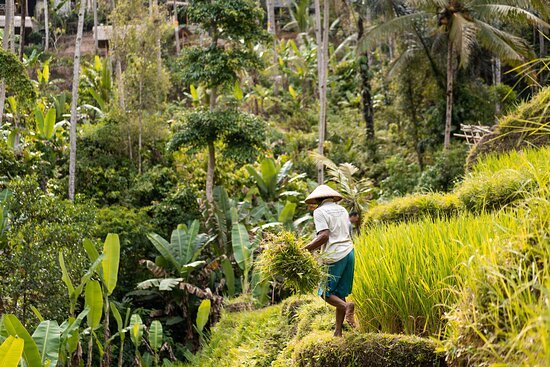
The rice terraces are the soul of Canggu. Narrow lanes wind between emerald paddies and offer a peaceful counterpoint to the cafés and clubs.
To experience them:
- Cycle or scooter the back roads: The best way to enjoy uninterrupted views is to leave the main road. Respect local property and don’t trespass on private fields.
- Visit at golden hour: Early morning or late afternoon light makes the terraces glow and temperatures are more comfortable.
- Support local farmers: Buy from small warungs (food stalls) or order dishes that feature local produce to contribute to the community.
Surfing Canggu: breaks, tides and tips
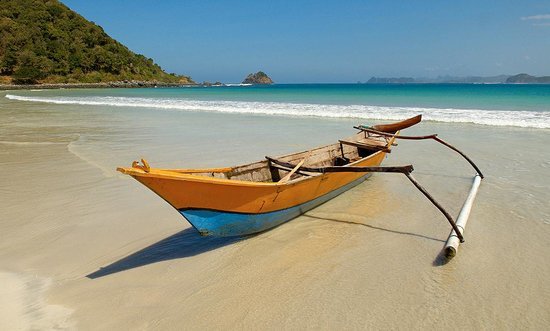
Canggu’s coastline hosts several surf breaks suitable for a range of abilities. The area is known for consistent swells, reef and beach breaks, and a lively surf community. If you’re new to surfing, book lessons with a reputable surf school that includes board, rash guard and safety instruction.
- Echo Beach: A popular reef break with fast, punchy waves—best for intermediate to advanced surfers. Check local crowd and conditions first.
- Old Man’s (Batu Bolong): Gentle beach break near the pier, ideal for beginners and longboarders. It’s social and often crowded but very accessible.
- Pererenan: A powerful reef break that rewards more experienced surfers. Conditions change with tide; consult local surf reports.
- Best times: Dry season (April–October) tends to have cleaner offshore winds and more consistent swells, but there’s surf year-round.
Always respect surf etiquette: take turns, don’t drop in on others, and ask locals for insight about rips and reef hazards.
Café culture and dining: a food lover’s paradise
Canggu’s café scene is one of its biggest draws. You’ll find Australian-style brunch spots, third-wave coffee shops, vegan eateries and creative Indonesian fare. Cafés are often hubs for digital nomads, artists and young families—expect friendly service and inventive menus.
- Specialty coffee: Baristas take their craft seriously. Try a pour-over or a single-origin espresso and pair it with a fresh pastry or banana bread.
- Brunch and health bowls: Acai bowls, smoothie bowls, avocado on toast and Indonesian-style breakfasts are widely available. Portion sizes tend to be generous.
- Warungs and local food: Don’t miss nasi campur, mie goreng, satay and local desserts. Warungs offer authentic flavours at modest prices and are often family-run.
- Seafood: Fresh grilled fish and seafood at beachside shacks are a treat—particularly in the evening when the catch is grilled over coconut husks.
Wellness, yoga and spas
Canggu has a solid wellness infrastructure. From yoga studios offering classes for all levels to holistic healing centres and spa treatments, you can easily design a restorative day.
- Yoga and movement: Drop-in classes range from vinyasa and hatha to specialized workshops like SUP yoga (stand-up paddleboard) and yin sessions.
- Spas and massages: Balinese massages are traditional and widely available. For a luxe experience, book a treatment at a recognised spa; for budget-friendly options, many small centres offer excellent value.
- Wellness cuisine: Detox juices, organic menus and raw desserts are common in the cafés near studios and retreats.
Nightlife and entertainment
Canggu’s nightlife is diverse: relaxed beachfront bars for sunsets, cocktail lounges for a quiet drink, and occasional clubs or DJ nights for a livelier scene. It’s not a full-on party town like Kuta, but you can find late-night options if you know where to look.
- Sunset bars: Head to the coastline for chilled sunset sessions—bring a camera and expect laid-back playlists and local beers.
- Live music and DJ nights: Cafés and bars often host bands or international DJs, especially on weekends.
- Markets and pop-ups: Evening markets and night bazaars offer food, crafts and a vibrant local atmosphere.
Tip: If you plan to stay longer, consider splitting your time between a villa near rice fields and a central spot close to the beach to enjoy the best of both worlds.
Day trips and nearby highlights
Canggu makes a superb base for exploring wider Bali. Several interesting destinations are just a short drive away.
- Tanah Lot Temple: A famous sea temple and sunset viewpoint, best visited in the late afternoon when the light softens.
- Seminyak: Upscale shopping, beach clubs and nightlife are within easy reach if you want a change of pace.
- Ubud: For culture, rice-terrace treks and art markets, Ubud is a 1–1.5 hour drive and makes a great day trip or overnight stay.
- West Bali and beaches: For quieter coastlines and scenic drives, head north or west of Canggu toward less-developed shores.
Practical tips and local etiquette
Make the most of Canggu by staying safe and being a considerate visitor.
- Cash and payments: Many cafés and shops accept cards, but small warungs and market stalls prefer cash. ATMs are available, but carry some rupiah for smaller purchases.
- Dress code: Beachwear is fine on the sand, but wear respectful clothing when visiting temples or local homes—cover shoulders and knees if entering sacred sites.
- Safety on the road: Traffic can be chaotic. Drive defensively, avoid night riding if tired, and ensure your scooter comes with a working helmet.
- Connectivity: SIM cards and data plans are easy to purchase at the airport or in town. Many cafés provide reliable Wi-Fi for remote work.
Responsible travel in Canggu
Canggu’s popularity brings both opportunity and strain. Travel responsibly to help preserve the environment and local culture.
- Plastic reduction: Carry a reusable water bottle and avoid single-use plastics where possible. Many cafés offer water refill stations.
- Respect rice fields: Stick to paths and don’t walk through crops. Ask permission before photographing people working in the fields.
- Support local businesses: Eat at warungs, buy from local artisans and use local guides for excursions.
- Mindful partying: If you enjoy nightlife, be considerate about noise and waste—leave the area as you found it.
Suggested itineraries
Here are two brief itineraries to match different travel styles.
- Relaxed 3-day stay: Day 1: Arrive, settle into a villa, sunset at Echo Beach; Day 2: Morning surf lesson, lunch at a café, cycle rice-field lanes, evening spa; Day 3: Breakfast, beach time, Tanah Lot at sunset.
- Active 5-day stay: Day 1: Explore local cafés and Batu Bolong; Day 2: Surf lessons and beachfront dinner; Day 3: Day trip to Ubud; Day 4: Yoga and wellness day; Day 5: Shopping, sunset bar and departure.
Conclusion
Canggu is more than a trendy destination—it is a place that invites slow discovery, from the rhythm of the rice fields to early-morning surf and leisurely café afternoons. With a little planning and respectful curiosity, you’ll find a place that feels both familiar and distinctly Balinese. Pack comfortable clothes, a reusable bottle, and an appetite for good food; the rest will follow as you wander the lanes and ride the waves.