Udaipur to Jodhpur via Kumbhalgarh and Ranakpur: A Road Trip Guide
A practical road-trip guide from Udaipur to Jodhpur via the fortresses of Kumbhalgarh and the marble temples of Ranakpur, with route tips, sightseeing, food and accommodation suggestions.
By TravMe Holidays travel team · · Updated · 6 min read
Travelling from Udaipur to Jodhpur by road is one of Rajasthan's most rewarding drives: lakes and palaces give way to fortresses and marble temples, and each stop unfolds a different facet of Mewar and Marwar heritage. This guide covers routes, timings, must-see sights, local eats, stay options, and practical tips to make a smooth, memorable road trip via Kumbhalgarh and Ranakpur.
Why choose the Udaipur–Kumbhalgarh–Ranakpur–Jodhpur route?
This itinerary stitches together three contrasting experiences within manageable driving stretches. Udaipur is the romantic lake city with palaces and bustling bazaars; Kumbhalgarh offers the intellect of Rajput military architecture and rugged Aravalli scenery; Ranakpur presents delicate Jain marble artistry in serene surroundings. The final leg to Jodhpur drops you into a vibrant blue city crowned by the Mehrangarh Fort. Taken together, the journey balances culture, architecture and landscape without lengthy daily drives.
Recommended route and driving distances
- Udaipur to Kumbhalgarh: approximately 80–90 km, around 2–2.5 hours depending on traffic and road conditions.
- Kumbhalgarh to Ranakpur: approximately 40–55 km, typically 1–1.5 hours on winding hill roads.
- Ranakpur to Jodhpur: roughly 180–210 km, expect 4–5 hours on highways and rural stretches.
Roads are mostly two-lane state highways with intermittent four-lane stretches and occasional potholes. Local driving speeds vary; allow extra time for sightseeing, photo stops and local slow-moving traffic including tractors and animal crossings.
How many days to allocate?
For a relaxed trip:
- Day 1: Udaipur sightseeing and overnight in Udaipur.
- Day 2: Drive to Kumbhalgarh, visit the fort and wildlife sanctuary, overnight near Kumbhalgarh or at a heritage hotel en route.
- Day 3: Short drive to Ranakpur, visit the Jain temples, then onward to Jodhpur and overnight there.
- Day 4: Full day in Jodhpur (Mehrangarh Fort, clock tower bazaar, Umaid Bhawan).
If pressed for time, the route is doable in two days with early starts but expect long days and less time at each attraction.
What to see and do: highlights en route
Kumbhalgarh
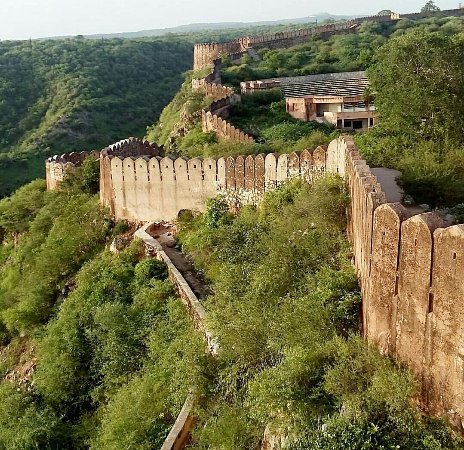
- Kumbhalgarh Fort: Famous for having one of the longest fort walls in India, the fort's battlements, palaces and temples offer panoramic views of the Aravalli hills. Guided walks help reveal its strategic importance and lesser-known stories of Mewar.
- Kumbhalgarh Wildlife Sanctuary: If time permits, explore the sanctuary for a chance to see deer, nilgai and a variety of birds. Early mornings and late afternoons are best for wildlife spotting.
- Stepwells & local villages: Look out for ornate stepwells and small villages around the fort where you can observe rural life and crafts.
Ranakpur
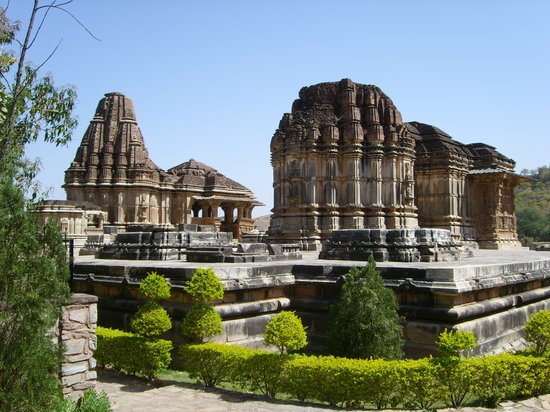
- Ranakpur Jain Temple: The star attraction—an architectural wonder of white marble with hundreds of intricately carved pillars, domes and tranquil mandapas. Photography rules can change, so check locally.
- Nature walks: The surrounding forested hills offer fresh air and quiet trails for short walks after visiting the temple complex.
- Local artisans: Small shops sell marble souvenirs and local crafts—great for unique mementos.
Jodhpur
- Mehrangarh Fort: Dominant and dramatic, the fort's museums and ramparts reveal Rajasthan's martial past and offer sweeping views of the 'Blue City'.
- Umaid Bhawan Palace: Part palace, part museum, part hotel—it's an elegant contrast to the medieval fort above.
- Sardar Market & clock tower: A lively bazaar to hunt for spices, textiles, and handicrafts—best explored in the cooler parts of the day.
Where to stay
Accommodation on this route covers heritage hotels, fortress stays, and comfortable modern hotels. In Udaipur and Jodhpur you will find a wide range from budget guesthouses to luxury heritage properties. Around Kumbhalgarh and Ranakpur look for haveli-style resorts or smaller heritage hotels that emphasise local architecture and offer meals—booking in advance is advisable, especially in peak season.
Food and local cuisine
Rajasthani cuisine is hearty and flavourful. On this route, try:
- Dal baati churma and gatte ki sabzi—local staples often served at traditional eateries.
- Ker sangri, bajra roti and laal maas for meat-lovers seeking authentic flavours.
- Street snacks such as kachori, samosa and sweets like ghewar at local markets.
Many hotels on the route offer set menus showcasing regional dishes—ask hosts for home-style cooking and recommendations for local eateries.
Practical tips and local etiquette
- Start early to avoid the midday heat and to make the most of daylight for photography and exploring. Forts and temples are best visited in early morning or late afternoon.
- Permits and timings: Major sites like Kumbhalgarh and Ranakpur have entry fees and set timings. Camera charges and vehicle regulations can apply—carry some cash and check the latest timings online or at ticket counters.
- Dress code: For temples, dress modestly—cover shoulders and knees. Remove footwear at certain temple areas when required.
- Vehicle choice: A compact SUV is ideal for hill roads and rural stretches. Ensure your vehicle has a spare tyre, basic tools, and sufficient fuel—petrol/diesel pumps can be sparse between towns.
- Navigation: Offline maps are handy since mobile network coverage can be patchy in hill sections. Keep a physical map or directions as backup.
- Hydration and health: Carry water, sunblock, hats and basic medicines. If you have specific dietary needs, carry snacks, as remote stretches may have limited options.
Best time to travel
The ideal months are October to March when the weather is pleasant for sightseeing and driving. Summers (April–June) get hot, particularly across the plains toward Jodhpur. Monsoon brings greenery to the Aravallis but can make some rural roads slippery—check local conditions if you travel in July–September.
Safety and responsible travel
- Follow local safety advice, especially when walking near fort ramparts or forested areas. Stick to marked paths.
- Respect local customs and privacy when photographing people; ask permission before taking close-up portraits.
- Support local economies by buying handicrafts directly from artisans and choosing locally run homestays or guides.
- Leave no trace: dispose of waste responsibly and avoid littering delicate heritage sites.
Tip: If you have an extra day, consider a short detour to the rustic town of Narlai or a village safari in the Kumbhalgarh region to experience rural Rajasthan and wildlife.
Packing checklist
- Comfortable walking shoes, sunhat, sunglasses and sunblock.
- Light layers for daytime and a warm layer for chilly desert nights in winter.
- Camera with spare battery/charger and enough memory; binoculars for wildlife watching.
- Basic first-aid kit, insect repellent and any prescription medicines.
- Copies of ID, vehicle documents and offline maps.
Final suggestions for an enjoyable drive
Allow time to soak in the atmosphere at each stop rather than rushing purely for checkpoints. Engage local guides for Kumbhalgarh and Ranakpur— their insights transform stone and carvings into stories. Keep an open schedule for the unexpected: a roadside puppet show, a friendly chai stop or a sunset over a fort can become the trip's most cherished memory.
From the lakes of Udaipur to the ramparts of Kumbhalgarh, the quiet marble of Ranakpur and the blue lanes of Jodhpur, this road trip showcases Rajasthan's layered history and dramatic landscapes. Plan thoughtfully, drive safely and enjoy the rhythm of the road.