Planning a Rajasthan Trip in Summer: Is It Worth It?
Rajasthan in summer offers vivid colours, quieter monuments and great bargains, but intense heat requires smart planning—timings, packing and itineraries tailored to mornings, evenings and cooler hill destinations.
By TravMe Holidays travel team · · Updated · 6 min read
Thinking of visiting Rajasthan in summer? The state’s forts, palaces and desert landscapes remain magnificent year-round, but the summer months bring intense heat and a different rhythm to travel. With the right expectations and planning, a summer trip can be rewarding—offering fewer crowds, better deals and unique seasonal experiences—while avoiding common pitfalls.
Is summer travel in Rajasthan worth it?
Short answer: yes, if you plan strategically. Rajasthan in summer (roughly April to June, sometimes stretching into early July) is hot—daytime temperatures in many cities routinely climb above comfortable levels. But this season also brings advantages: off-peak hotel rates, easier access to popular monuments, colourful rural life, and dramatic early mornings and sunset skies over forts and dunes. If you are prepared to modify your activities and pace, summer can be a rewarding time to explore the state’s heritage and landscapes.
What to expect: climate and seasonal nuances
Rajasthan is large and climatically varied. The western Thar Desert reaches the highest temperatures, while the Aravalli hills and hill station Mount Abu are noticeably cooler.
- Desert zones (Jaisalmer, Barmer, Jodhpur): very hot and arid; dusty winds are common. Nights cool off a little, but daytime heat is intense.
- Pink City and central plains (Jaipur, Ajmer, Pushkar): hot, with bright sunny days and warm nights; heritage sites can get rather warm during the day.
- Lake city (Udaipur): slightly more pleasant due to lakes and better humidity; mornings and evenings are delightful.
- Hill station (Mount Abu): the only notable respite with cooler temperatures and a small but welcome green cover.
- Forest and wildlife areas (Ranthambore, Sariska): hot, but wildlife activity in early mornings and late afternoons can be rewarding.
Why travellers choose summer despite the heat
- Lower costs: hotels, homestays and some tour operators lower prices in the off-season—great for travellers on a budget or those seeking upgraded stays for less.
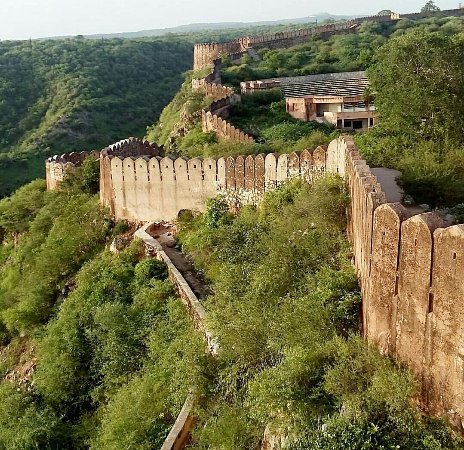
- Fewer crowds: major sites like Amer Fort (Jaipur), Mehrangarh (Jodhpur) and the City Palace (Udaipur) are less crowded, giving you space to photograph and absorb the architecture.
- Unique light and photography: the harsh sunlight creates dramatic shadows on sandstone walls; sunrise and sunset provide golden hues over palaces and dunes.
- Local life and rhythms: with fewer tourists, you may experience more authentic interactions—local markets, village life and festivals that fall in the season.
When to avoid summer
If you cannot tolerate high heat or have health concerns like heart problems, respiratory issues or heat sensitivity, avoid peak summer. Travelling with very young children or elderly family members requires extra caution; in such cases consider visiting in the cooler shoulder seasons (October–March) or choose destinations with cooler climates such as Mount Abu or the higher reaches of Rajasthan’s hill country.
Smart itinerary ideas for summer
Design your days around cooler hours, and pick destinations that offer natural or constructed relief from heat. Here are a few sample approaches:
Short and relaxed: Jaipur – Amber – Pushkar (4–5 days)
- Arrive in Jaipur, explore markets and palaces in the evening.
- Visit Amer Fort early morning, return to your hotel during the hottest hours for rest and pool time.
- Day trip to Pushkar for a relaxed lakeside afternoon and a stroll in the cooler evening air.
Cooler circuit: Udaipur – Chittorgarh – Mount Abu (5–6 days)
- Start in Udaipur: lakeside mornings, palace visits, boat rides at dawn or dusk.
- Chittorgarh for sunrise fortress views and a short, shaded walk.
- Head to Mount Abu for a couple of days of comfortable temperatures and green surroundings.
Desert experience with pacing: Jaisalmer – Jodhpur – Osian (5–7 days)
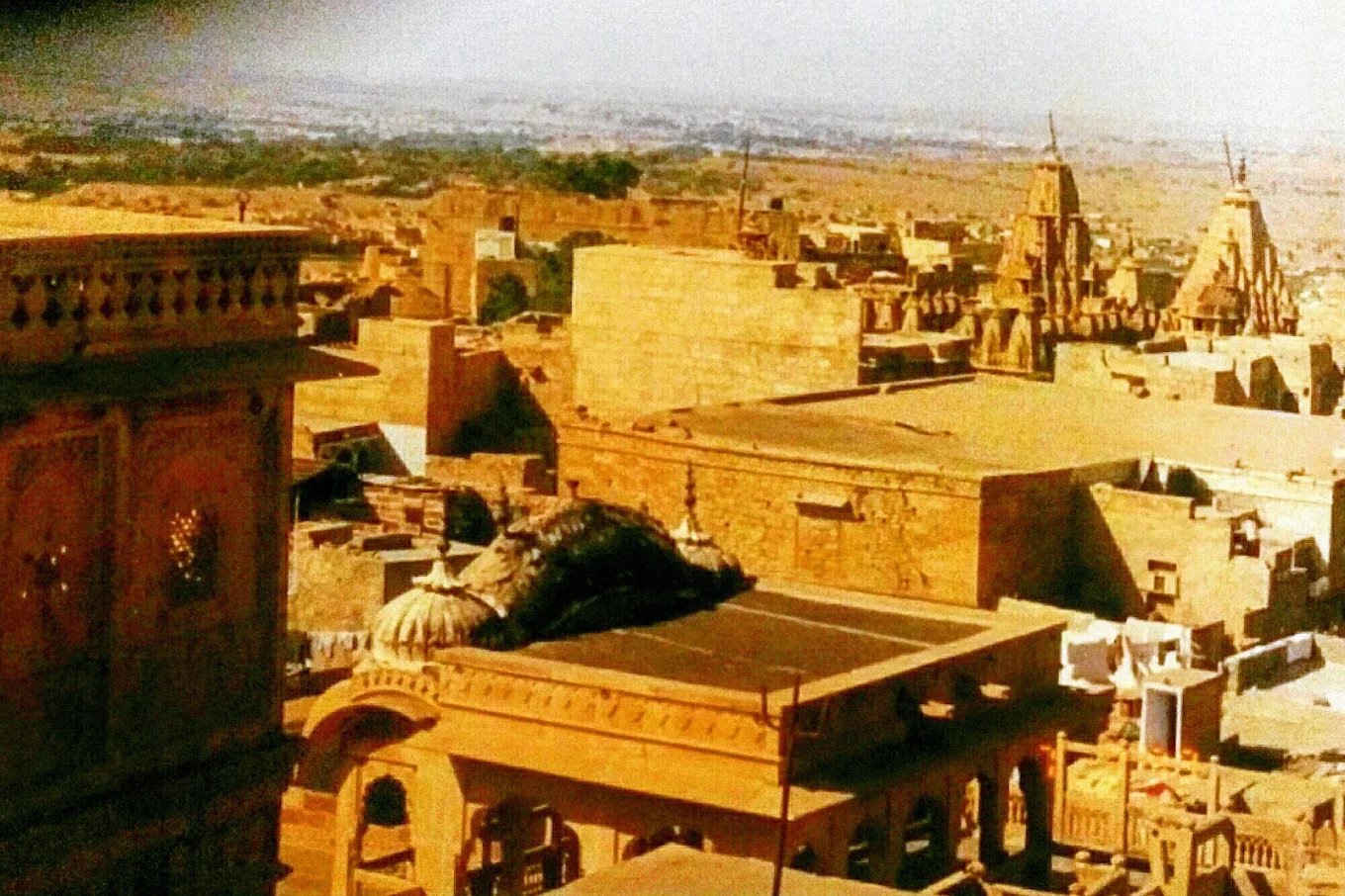
- Base in Jaisalmer with an early-morning fort visit, afternoon rest, then a late-evening dune safari and starlit dinner when temperatures fall.
- Jodhpur for Mehrangarh at dawn, then relaxed boutique hotel afternoons with pool time.
- Short village or camel farm visits during cooler hours.
Packing and personal comfort tips
Good packing makes the heat manageable. Focus on sun protection, breathability and comfort.
- Clothing: light-coloured, loose cotton or linen clothing; long sleeves and full-length trousers protect against sun and dust.
- Headgear and sunglasses: wide-brimmed hat or scarf and UV-protective sunglasses.
- Sun protection: broad-spectrum sunscreen (SPF 30+), lip balm and a small umbrella for shade.
- Hydration tools: refillable water bottle and oral rehydration sachets; keep sipping water throughout the day.
- First aid: basic kit, electrolyte powder and any personal medications; avoid heavy physical exertion in the midday heat.
- Evening wear: a light layer for cooler nights or air-conditioned venues.
Where to stay and eat in summer
Choose accommodations with air-conditioning and, ideally, a pool or shaded courtyard. Many heritage hotels have plunge pools and shaded verandas that become havens in the heat. For dining, prefer restaurants with indoor seating and good ventilation; sample local cooling drinks such as chaach (buttermilk), lassi and fresh fruit juices. Take care with street food in hot weather—opt for busy stalls with quick turnover and bottled or treated water.
Daily rhythm and activity planning
Adapt your daily rhythm to the climate:
- Early starts: Visit forts, markets and wildlife safaris at sunrise when temperatures are pleasant and light is best for photography.
- Midday rest: Return to your hotel for a long lunch, nap or pool time between 11:30 and 16:30—the hottest period.
- Late afternoons and evenings: Plan activities such as cultural shows, city strolls, rooftop dinners or dune visits after 16:30 when the heat eases.
Transport and moving around
Air-conditioned travel is a must in summer. Book AC trains or flights for longer hops and choose private cars or AC taxis for intra-state transfers. If hiring a vehicle, ensure the AC is working well and take frequent breaks. For desert safaris and village visits, operators typically schedule activities in the cooler hours—confirm timings and carry sufficient water.
Health and safety precautions
Heatstroke and dehydration are the main risks. Watch for symptoms such as dizziness, confusion, rapid heartbeat and high body temperature. Avoid alcohol during the hottest part of the day, keep hydrated, wear sunscreen and seek shade often. If travelling with children or elderly people, plan conservative activities and consult a doctor if you have any health concerns.
Tip: Plan culturally rich yet low-exertion experiences—palace tours at dawn, village visits in the evening, and relaxed nights under the desert sky.
Seasonal events and cultural experiences
While many of Rajasthan’s famous festivals happen in cooler months, you can still encounter local fairs, temple events and seasonal markets in summer. Agricultural cycles, weddings and community rituals may offer intimate glimpses into rural life—always ask permission before photographing people. Also, summer is a great time to enjoy off-season hospitality and sometimes bespoke experiences arranged by hotels and guides.
Alternatives and hybrid plans
If full-on summer in the desert feels daunting, consider hybrid options: concentrate on Udaipur and Mount Abu for cooler climates, or plan a short Rajasthan trip combined with nearby hill stations in Gujarat or Maharashtra. Another option is a late-summer trip around monsoon onset (July onward) when temperatures drop and landscapes turn greener—though roads and visibility can be affected by rain.
Final checklist before you go
- Confirm AC availability and pool access at your accommodation.
- Plan early-morning and late-afternoon activities, rest during mid-day.
- Pack breathable clothing, sunscreen, refillable water bottle and basic meds.
- Arrange comfortable, air-conditioned transport between destinations.
- Check cancellation policies and flexible bookings in case you need to change plans.
Rajasthan in summer is not for everyone, but for those willing to adapt, it can be a memorable, quieter and often more intimate way to experience the state’s extraordinary heritage. With smart pacing, sensible precautions and a flexible itinerary, you can enjoy Rajasthan’s forts, lakes and desert skies even when the mercury rises.
Happy travels — and stay cool on the road!