Planning a Rajasthan Trip in the Monsoon: What Changes
Travelling to Rajasthan during the monsoon brings dramatic green landscapes, cooler temperatures and quieter sights, but also changes to activities, road conditions and wildlife access—plan smarter with weather-aware tips and flexible booking.
By TravMe Holidays travel team · · 6 min read
Rajasthan in the monsoon is a study in contrasts: the arid state that most travellers imagine—golden dunes, sun-baked forts, and dust-swirled streets—softens into pockets of green, rainwashed towns and dramatic skies. A monsoon trip is not better or worse than a winter or summer visit; it is simply different. With some adjustments to your itinerary, gear and expectations, visiting Rajasthan between June and September can be rewarding, atmospheric and surprisingly peaceful.
How the monsoon changes Rajasthan’s character
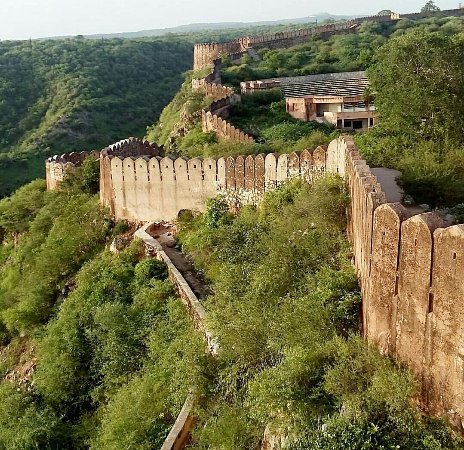
The most obvious change is visual: landscapes that appear dry for most of the year revive. Lakes fill, scrubland goes green and dust settles from town streets. Temperatures drop from the extreme highs of summer, bringing comfortable days and cooler nights. The weather also alters tourist rhythms—many popular sights see fewer visitors, which means less queuing and more time to savour forts, palaces and bazaars.
Weather patterns and what to expect
- Rain intensity varies across the state. Eastern and southeastern districts usually receive more rain than western deserts. Be prepared for intermittent showers, heavy downpours and occasional cloudy days.
- Humidity rises, especially in cities and low-lying areas. This can make walking tours feel more tiring than in dry weather.
- Flash floods and water-logged roads may occur during intense spells. Mountainous or hilly areas drain faster but can still be affected by landslips on certain routes.
Which places are best (and least suitable) in the monsoon
Choosing destinations carefully will make or break your monsoon trip. Some experiences improve with rain; others are restricted or less enjoyable.
Highly recommended
- Udaipur: Lakes brim and palaces reflect beautifully on water. The monsoon enhances the city’s romantic vibe and reduces crowds at popular viewpoints.
- Mount Abu: Rajasthan’s only major hill station becomes especially pleasant—waterfalls, forest walks and cooler weather are highlights.
- Bharatpur (Keoladeo National Park): A haven for migratory and resident birds during and after the rains. If birding is your interest, this is prime time—carry waterproof binocular cases and expect muddy paths.
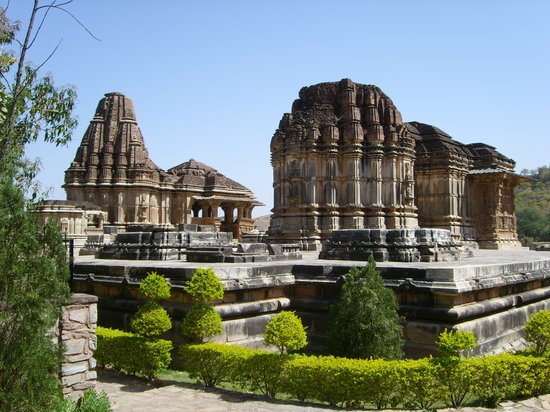
- Ranakpur and the Aravalli fringes: Jain temples, verdant countryside and river-fed streams are more scenic in the rains.
Places to approach with caution
- Desert safaris and dune camps: In the western deserts near Jaisalmer and Bikaner, heavy rain is rarer but if it occurs, it can make tracks impassable and reduce the classic dusty-sand ambience of a camel safari. Discuss backup plans with operators in advance.
- Some wildlife reserves: Many national parks and tiger reserves can have restricted access or reduced sightings in peak monsoon months due to dense foliage and temporary closures. Always check with park authorities ahead of booking.
Itinerary tips and flexible planning
Monsoon travel rewards flexibility. Build buffer days into your itinerary and avoid tightly timed travel plans that depend on uninterrupted roads.
- Prioritise city-based experiences (forts, museums, palaces, bazaars) which remain accessible even during rain.
- Keep an eye on weather forecasts and leave room for rearranging intra-state transfers—preferentially book options with free cancellation or easy date changes.
- Consider a north-to-south or east-to-west route to move around heavy rain pockets, rather than criss-crossing back and forth.
- If a countryside or wildlife trip is important, plan it for the drier windows within the monsoon season and confirm park openings in advance.
Transport and road conditions
Monsoon impacts transport in practical ways. Trains and flights are generally reliable, though delays are possible. Road travel requires more caution.
- Roads: Low-lying roads and rural stretches may flood. Avoid night driving in unfamiliar areas. Hire drivers who are experienced with monsoon conditions and local route knowledge.
- Trains: Rail travel is often the safest option for longer distances; book seats on reputable services and keep local contact numbers handy in case of delays.
- Local transfers: For jeep safaris or village visits, confirm vehicle suitability. Two-wheelers are less desirable when roads are wet or muddy.
Packing: practical essentials for Rajasthan in the rains
Packing smart will keep you comfortable and let you enjoy the atmospheric monsoon rather than endure it.
- Waterproof layers: a lightweight, breathable raincoat or poncho and a small foldable umbrella.
- Quick-dry clothing and a couple of moisture-wicking base layers. Cotton may feel heavy when wet.
- Good walking shoes with grip—waterproof or quick-drying—and a pair of sandals for quick changes.
- Waterproof bags or dry sacks for electronics and documents.
- Insect repellent and a basic first-aid kit for minor cuts and stomach upsets; humidity can increase mosquito activity.
- Reusable water bottle, hand sanitiser and laundry sachets for quick washes when needed.
Accommodation: what to expect and how to choose
Monsoon brings both advantages and constraints for accommodation choices.
- Lower crowds often mean better deals and easier upgrades—many heritage hotels and havelis run special offers in the low season.
- Choose well-maintained heritage properties that manage drainage and have good mosquito control. Properties near lakes can be particularly charming but sometimes experience dampness—check recent guest feedback.
- Confirm amenities such as backup power and hot water during your booking if these are important to you.
Experiences that come alive in the monsoon
Some experiences are unique to the rainy season and well worth scheduling:
- Monsoon festivals: Local celebrations and fairs tied to the rains or harvest can be colourful and immersive—ask local hosts about nearby events.
- Photography: Dramatic skies, reflective waters and lush backdrops make for striking images; golden-hour light after rain is particularly beautiful.
- Birdwatching and nature walks: Many migratory species and resident birds are active; guided walks in reserves and wetlands are rewarding.
Pro-tip: Always have a Plan B for any outdoor activity. If heavy rain makes a planned trek or safari impossible, swap it for a heritage walk, a cooking class, an art workshop or a relaxed palace lunch.
Health, safety and travel insurance
Health and safety precautions are important at any time, and the monsoon brings a few extra considerations:
- Hydration and food safety: Stick to bottled or boiled water if unsure; avoid street food from vendors operating in heavy rain without proper cover.
- Medical kit: Include oral rehydration salts, anti-diarrhoeal medicine, antiseptic and wound-dressings. Seek professional care for serious symptoms.
- Insurance: Choose travel insurance that covers weather-related delays, medical evacuation and trip interruption for peace of mind.
Final planning checklist
- Check regional rain patterns and reserve key experiences with flexible cancellation policies.
- Pack waterproofs, quick-dry clothing and reliable footwear.
- Confirm local transport options and hire experienced drivers where needed.
- Book accommodation with good drainage and recent positive reviews for monsoon stays.
- Buy travel insurance that covers weather-related disruption.
Monsoon Rajasthan rewards travellers who travel slowly, stay flexible and expect the unexpected. The payoff is a state that feels different, more intimate and unexpectedly lush—an opportunity to see palaces and forts with reflective moat waters, to hear monsoon rhythms in narrow lanes and to experience Rajasthani hospitality away from the high-season crowds.
Happy planning, and pack a raincoat as confidently as you pack your camera.