Two-Week Bali Itinerary: An Island-Wide Route
A detailed, island-wide two-week Bali itinerary covering beaches, rice terraces, temples, waterfalls and Nusa islands, with practical tips on transport, culture and resting days to make the most of your fortnight.
By TravMe Holidays travel team · · Updated · 6 min read
Bali may be small, but two weeks gives you time to explore its many faces: the surf and nightlife of the south, lush central highlands around Ubud, serene north coast, east Balinese charm and a few island escapes. This itinerary balances activity and relaxation, with travel tips, food suggestions and cultural pointers so you can enjoy the island like a mindful traveller.
How to use this itinerary
This plan assumes arrival at Ngurah Rai International Airport (Denpasar) and a flexible pace with private transfers or rental scooter/car and occasional organised tours. Days build geographically to minimise back-and-forth driving. Swap, lengthen or skip stops based on your interests — surf, yoga, diving or slow cultural exploration.
Overview: Two-week route at a glance
- Days 1–3: South Bali — Seminyak, Kuta or Canggu for beaches, cafes and nightlife
- Days 4–5: Uluwatu and Bukit Peninsula — clifftop temples and surf beaches
- Days 6–7: Nusa Penida (optional two-night island escape)
- Days 8–10: Ubud and central Bali — rice terraces, temples and wellness
- Day 11: Sidemen or Amed — east Bali tranquillity
- Day 12: Mount Agung views, Tirta Gangga and coastal roads
- Day 13: North Bali (Lovina/Munduk) — waterfalls and dolphin trips
- Day 14: Return to south for shopping, spa and departure
Days 1–3: South Bali — warm-up in Seminyak, Canggu or Kuta
Begin with easy beach days to recover from travel. Seminyak favours boutique shopping, chic cafes and beach clubs; Canggu is a more laid-back surfer/remote-worker hub with rice-field cafés; Kuta still has louder nightlife and budget stays. Choose a base that matches your energy.
Must-dos
- Sunset at a beach club (e.g. Seminyak or Canggu) — arrive early for a good spot.
- Explore local warungs for authentic Balinese meals like nasi campur and sate lilit.
- Book a massage to unwind — many spas offer traditional Balinese treatment.
Days 4–5: Uluwatu & the Bukit Peninsula — cliffs, temples and surf
Drive south to the Bukit Peninsula, famous for dramatic limestone cliffs and world-class surf breaks. Uluwatu Temple, perched on a clifftop, is a cultural icon best visited at sunset for the kecak fire dance performance.
Highlights and tips
- Padang Padang and Bingin beaches for swimming and beginner surf lessons.
- Enjoy fresh seafood and simpler beachside dining on the Jimbaran coast in the evening.
- Respect temple dress codes — bring a sarong and sash or rent one at the entrance.
Days 6–7: Nusa Penida — dramatic landscapes and island time
Take an early fast boat from Sanur to Nusa Penida for two days of dramatic viewpoints. This island feels wilder and less developed than Bali mainland; roads are rough in places, so hire a driver if you prefer not to ride a scooter.
Top sights
- Kelingking Beach viewpoint — iconic T‑rex cliff formation.
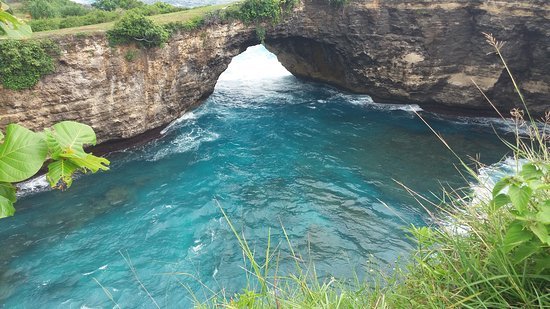
- Broken Beach (Pasih Uug) and Angel's Billabong — two neighbouring natural attractions.
- Crystal Bay — swimming and snorkelling in clearer waters.
Practical notes
- Bring cash; ATMs can be unreliable. Carry water and sun protection.
- Boat schedules depend on sea conditions; allow flexibility in your plans.
Days 8–10: Ubud — culture, rice terraces and wellness
Head inland to Ubud, Bali's cultural heart. Stay near the centre or choose a riverside retreat. This is the time for slower days: walking through rice terraces, visiting art galleries and joining a yoga class.
Essentials in Ubud
- Tegallalang or Jatiluwih rice terraces for scenic walks and photos.
- Ubud Monkey Forest — visit early to avoid crowds and respect the animals.
- Attend a Balinese cooking class or a traditional dance performance.
- Shop at the Ubud market for crafts, textiles and homeware — be ready to bargain politely.
Day 11: Sidemen or Amed — east Bali for quiet and authenticity
Leave the central hub and travel east to Sidemen for terraced rice-field serenity or to Amed for relaxed coastal life and diving/snorkelling. Both are far from mass tourism and excellent for recharging.
Why choose each
- Sidemen — rural landscapes, slow walks, and an authentic village atmosphere.
- Amed — snorkelling on gentle reefs, black sand beaches, and a dive gateway to nearby shipwrecks.
Day 12: East Bali sights — Tirta Gangga, Lempuyang and coastal drives
Spend a day exploring east Bali’s highlights. The water palace at Tirta Gangga is a beautiful garden complex, and the Lempuyang Temple (often photographed with the 'Gates of Heaven') rewards early risers with fewer crowds and stunning mountain views when skies are clear.
Tips
- Start early to avoid heat and tour buses at Lempuyang and Tirta Gangga.
- Combine sites logically to minimise driving time — local drivers can plan an efficient route.
Day 13: North Bali — Munduk waterfalls and Lovina dolphins
Head into Bali’s cooler north for waterfalls, spice plantations and a chance to see dolphins at dawn in Lovina. Munduk is an excellent stop for waterfall hikes and coffee garden walks; Lovina offers calmer seas and relaxed coastal vibes.
Activities
- Early-morning dolphin trip from Lovina (book with a responsible operator and confirm departure times).
- Hike to Banyumala or Gitgit waterfalls near Munduk — bring sturdy shoes and insect repellent.
Day 14: Return south — rest, shopping and airport prep
Drive back to southern Bali for your final day. Use this time for any last-minute shopping in Seminyak, a final Balinese spa treatment, or a relaxed sunset at Jimbaran beach with seafood for dinner before heading to the airport.
Practical tips for a smooth two-week visit
- Transport: Hire a private driver for longer legs; scooters are great for short hops but avoid night riding on unfamiliar roads. Use reputable fast-boat operators for Nusa trips.
- Weather: Bali is tropical — dry season (April–October) is easier for overland travel, while wet season brings short heavy rains and greener landscapes.
- Money: Carry some cash for small villages; larger towns have ATMs and card facilities. Check foreign exchange rates at official offices.
- Health: Stay hydrated, use mosquito repellent in rural areas, and drink bottled or filtered water when advised.
- Culture and etiquette: Dress modestly at temple visits, use your right hand for offerings and exchanges, and accept local customs with respect.
Tip: Build at least two rest or low-activity days into your itinerary. Bali delights when you let it — a slower pace reveals the best rice-field views, cafés and local encounters.
Packing checklist
- Lightweight cotton clothes, a sarong or scarf for temple visits, swimwear and a light rain jacket.
- Sunscreen, hat, reusable water bottle and basic first-aid items.
- Power adapter, waterproof phone pouch for boat trips, and photocopies of travel documents.
Optional extensions and alternatives
If you have extra days, consider a Lombok or Gili Islands extension for pristine beaches and diving, or add more time in the east if you prefer a quieter pace. Conversely, if you favour surf and nightlife, concentrate your stay in the south and Bukit Peninsula.
Conclusion
This two-week island-wide route balances busy highlights with slower, restorative stays so you can experience Bali’s varied landscapes and cultures without rushing. Whether you want surf and sunsets, temple ceremonies, mountain vistas or underwater adventures, this itinerary gives you a framework to personalise. Take your time, be respectful, and leave room for serendipity — that’s often when Bali shows its warmest side.