Tsomgo Lake in Winter: Frozen Views and Travel Advice
Tsomgo Lake (Changu Lake) transforms into a crystalline, snow-framed wonder in winter — a must-see near Gangtok with special permit requirements, cold-weather precautions and stunning photo ops.
By TravMe Holidays travel team · · Updated · 6 min read
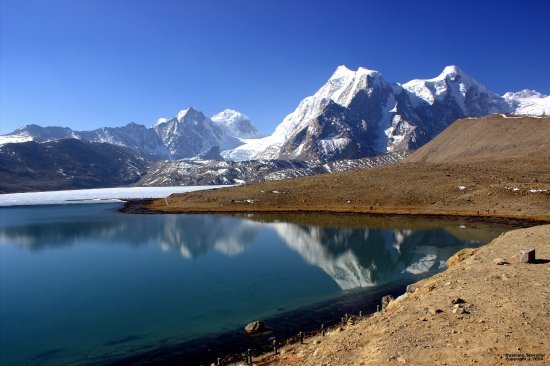
Tsomgo Lake, also called Changu Lake, sits high in the Himalayas and becomes an otherworldly sight in winter. The surrounding slopes turn white, the air sharpens, and the lake often edges toward partial freezing, creating dramatic contrasts of ice, sky and rhododendron-clad ridges. Winter visits are rewarding but demand planning: permits, acclimatisation and sensible clothing are essential for a safe and enjoyable trip.
Why Visit Tsomgo Lake in Winter?
Winter lends Tsomgo a distinct personality. The summer crowd thins, the landscape receives a fresh coat of snow, and the low winter sun produces long, golden hours perfect for photography. You’ll experience a quieter, more intimate connection with the high-altitude environment and a greater chance of seeing unique winter light, frost-laced shores and the rare meeting of clear blue water against snowy banks.
Where It Is and How High
Tsomgo Lake lies east of Gangtok, Sikkim’s capital, at an altitude of around 3,750 metres (approximately 12,300 feet). The road from Gangtok climbs through pine and rhododendron forests, opening into alpine meadows and finally the stark, windswept basin that holds the lake. Typical road distance from Gangtok is around 40–50 kilometres; travel time varies with road and weather conditions.
Permits and Regulations
Visiting Tsomgo Lake requires permits. Indian citizens generally need an Inner Line Permit (ILP) to enter Sikkim’s restricted areas; foreign nationals require a Protected Area Permit (PAP). Permits are checked at checkpoints en route, so carry originals and copies of ID and passport where applicable.
Practical tips:
- Apply for permits in advance where possible. Many travellers obtain e-permits online through the state portals or through their tour operator.
- Allow extra time at checkpoints, especially during winter when fewer staff may be on duty and weather can slow procedures.
- Follow local rules: stray off-road driving, littering and attempts to set foot on restricted shores may attract fines or denial of entry.
Best Time and What ‘Winter’ Means Here
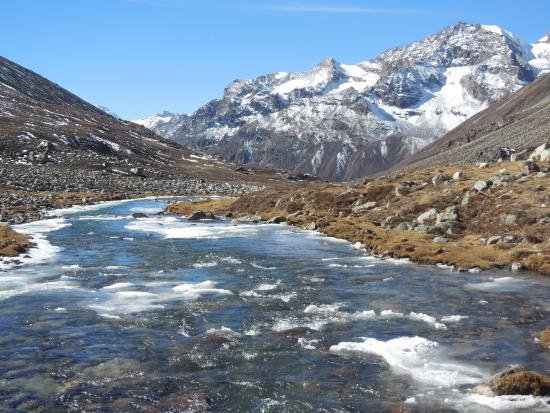
Winter in Sikkim spans roughly December to February. Nights are cold — often sub-zero at the lake — and days are crisp with clear skies, though fog and sudden snowfall are possible. Tsomgo can be partially or largely frozen depending on the severity of the winter. Even if the lake retains open water, the edges and nearby streams may be iced over.
Safety and Health: Altitude and Weather
At 3,750 metres you may experience mild to moderate symptoms of altitude sickness if you ascend quickly. Symptoms include headache, nausea, light-headedness and breathlessness. Observe these precautions:
- Acclimatise in Gangtok for a day or two, avoid heavy exertion immediately upon arrival and drink plenty of water.
- Limit alcohol and heavy meals before and during your excursion.
- Carry basic altitude sickness medication if advised by your doctor and know the signs of severe illness that require descent or medical help.
Weather can change quickly. Temperatures drop after sunset, and roads may become slushy or icy. Travel only in daylight hours and consult local operators about road conditions before setting out.
Getting There: Practical Transport Advice
The most common way to reach Tsomgo is a day trip from Gangtok in a private taxi or through a tour operator. Public transport to the lake is limited, especially in winter. Key points:
- Hire a registered local taxi or join a trusted tour — drivers experienced with the mountain roads are safer and more reliable in winter conditions.
- Check whether your vehicle is permitted to go all the way; sometimes staff limits or weather restrict entry further up the road.
- Start early from Gangtok to avoid afternoon cloud or snow; return before dusk when temperatures plummet and visibility may drop.
Packing List for Winter Visits
Pack for cold, wind and bright sunlight:
- Layered clothing: thermal base layers, fleece mid-layers and a waterproof, windproof outer shell.
- Warm hat, scarf/buff and insulated gloves (a spare pair is wise if gloves get wet).
- Sturdy waterproof boots with good grip; gaiters if you expect deep snow.
- High-SPF sunglasses and sunscreen — high-altitude sun can be intense even in winter.
- Water bottle, high-energy snacks and any personal medication, including medicines for altitude sickness after consulting a physician.
- Power banks for devices; cold drains batteries quickly.
Where to Stay and Facilities
There are no overnight facilities at Tsomgo Lake itself. Most visitors stay in Gangtok, which offers a range of hotels, homestays and guesthouses. If you are part of a longer mountain itinerary, there are also basic tea houses and camps in other parts of East Sikkim, but winter services can be limited. Plan to return to Gangtok the same day unless you have confirmed arrangements through an outfitter.
Photography and Responsible Travel
Winter lighting is superb for photography: low sun angles, crisp contrasts and snow reflections create dramatic images. Some tips:
- Allow time for your camera and batteries to acclimatise; keep spares warm in an inner pocket.
- Use a polarising filter to manage glare off snow and water.
- Respect local regulations and avoid stepping onto fragile shorelines; footprints in pristine snow stay visible for days.
Do not walk onto frozen areas unless clearly sanctioned and managed by local authorities — ice can be thinner than it appears.
Nearby Attractions
Tsomgo’s immediate neighbour is the revered Baba Harbhajan Singh Mandir, a small shrine with a poignant modern legend that draws both tourists and devotees. Further afield, Nathula Pass offers views and historical interest but may be closed seasonally or require separate permits and vehicle arrangements. Winter visitors should check the status of these sites in advance and be prepared for last-minute closures due to weather.
Sample Half-Day Itinerary from Gangtok
- Depart Gangtok early morning after permits are confirmed.
- Enjoy the drive through forests and valleys, stopping for short viewpoints en route.
- Arrive at Tsomgo; take a relaxed walk around the accessible viewpoints, photograph the lake and visit the Baba Mandir if open.
- Have hot refreshments at the local stalls (seasonal availability in winter), then return to Gangtok before late afternoon.
Tips from Local Guides
Local drivers and guides emphasise these practical points:
- Respect the environment: take back all litter and leave no trace of your visit.
- Follow instructions of forest or checkpoint staff — rules are in place for your safety and to protect the fragile ecosystem.
- Stay flexible: mountain weather can alter plans quickly, so build buffers into your schedule and avoid tight onward connections on the same day.
Final Words
Tsomgo Lake in winter is a serene, dramatic destination that rewards those who come prepared. With the right permits, warm clothing and respect for altitude and local rules, you can experience truly unforgettable Himalayan scenery. Whether you’re after pristine photography, a quiet nature escape or a culturally rich day trip from Gangtok, winter brings a calm beauty to Tsomgo that makes the journey well worth it.