Sikkim Weather Month by Month: What to Expect Through the Year
A month-by-month guide to Sikkim’s weather, detailing temperatures, rainfall, festivals, and travel tips so you can plan the best time to visit this Himalayan gem.
By TravMe Holidays travel team · · Updated · 7 min read
Sikkim’s climate is as varied as its landscapes — from subtropical valleys to alpine highlands. Understanding month-by-month weather helps you choose the right time for sightseeing, trekking or festivals. This guide breaks down seasonal patterns, what to expect each month and practical tips for packing and travel.
Overview: Climate Zones of Sikkim
Sikkim’s weather is shaped by altitude. The state ranges from about 300 m in the southern lowlands to over 8,500 m above sea level. Broadly, the climate can be divided into three zones:
- Subtropical lowlands (southern Sikkim, around 300–1,000 m): warm and humid, mild winters.
- Hilly mid-altitudes (Gangtok, Namchi, 1,000–2,500 m): cool, pleasant summers and cold winters with occasional snow at higher spots.
- Alpine highlands (Lachen, Lachung, North Sikkim, 2,500 m and above): cold year-round with long winters and heavy snowfall.
January — Crisp Winters and Snow in the North
January is one of the coldest months. Expect clear blue skies in lower areas and heavy snow at higher elevations.
- Temperature: Lowlands 4–12°C; Gangtok -2–8°C; higher reaches often well below freezing.
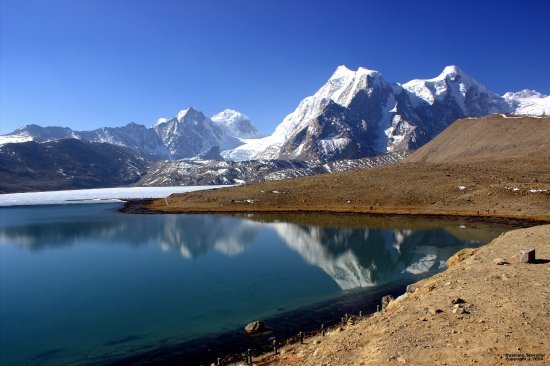
- Weather: Dry, cold mornings and nights; limited precipitation but snow in North Sikkim and passes like Nathu La and Gurudongmar areas.
- Activities: Ideal for winter photography, monastery visits and enjoying quiet, off-season tranquillity.
- Travel tips: Roads to North Sikkim may be blocked due to snow; carry heavy woollens, insulated boots and sun protection for clear, high-altitude sun.
February — Cold, with Hints of Spring
February begins to hint at the coming spring in lower altitudes but highlands remain wintry.
- Temperature: Lowlands 6–14°C; Gangtok 0–10°C; higher areas still sub-zero at night.
- Weather: Clear skies interspersed with cold snaps. Snow may persist in north and at higher passes.
- Activities: Good for cultural travel and beginning of short treks at lower altitudes.
- Travel tips: Layered clothing works best; heaters may be available in hotels but demand warm sleeping bags for homestays in higher villages.
March — Spring Arrives in the Valleys
March marks the onset of spring. Rhododendrons begin to bud and the weather warms progressively, especially in mid-altitudes.
- Temperature: Lowlands 10–18°C; Gangtok 4–14°C; nights cooler in higher altitudes.
- Weather: Clear to partly cloudy days; the risk of light showers increases later in the month.
- Activities: Great time for visiting Rumtek, Enchey and trekking trails at lower elevations. Botanical enthusiasts will enjoy rhododendron blooms.
- Travel tips: Pack a light jacket and a warm layer for evenings; sunhat and sunglasses handy as UV is strong at altitude.
April — Peak Spring: Blossoms and Pleasant Days
April brings pleasantly warm days and flourishing flora. This is one of the best times to enjoy Sikkim’s scenic beauty.
- Temperature: Lowlands 15–22°C; Gangtok 8–18°C; higher reaches remain cool.
- Weather: Mostly dry, sunny days with mild nights. Mountain views are often spectacular and clear.
- Activities: Perfect for sightseeing, short treks (e.g., around Pelling and Yuksom) and visiting monasteries.
- Travel tips: Comfortable walking shoes, a light fleece and a waterproof windcheater for sudden showers or winds.
May — Early Summer and Rhododendron Trails
May is early summer in Sikkim. Temperatures rise gently and conditions are favourable for higher-altitude trips before the monsoon.
- Temperature: Lowlands 18–26°C; Gangtok 12–20°C; mountain passes still cool.
- Weather: Warm days, cool nights; occasional pre-monsoon showers towards late May.
- Activities: Great window for high-altitude treks and for accessing North Sikkim (subject to permits and road conditions).
- Travel tips: Carry sunscreen and hydration; permits are needed for restricted areas — book in advance.
June — Monsoon Arrives, Lush but Wet
June marks the beginning of the monsoon. Sikkim becomes lush and emerald, but frequent rainfall affects travel and hiking.
- Temperature: Lowlands 20–28°C; Gangtok 15–22°C.
- Weather: Regular heavy showers, high humidity and mist, particularly in valleys and lower hills.
- Activities: Photographers will love the verdant landscapes; short local sightseeing possible between showers.
- Travel tips: Be prepared for landslides and road delays. Waterproof gear, quick-drying clothes and insect repellent are essential.
July and August — Monsoon Peak
These are the wettest months. While the countryside looks magical, travel disruptions are common and some trekking routes may be closed.
- Temperature: Lowlands 20–27°C; Gangtok 16–22°C.
- Weather: Heavy, persistent rain, frequent low clouds and reduced visibility in the mountains.
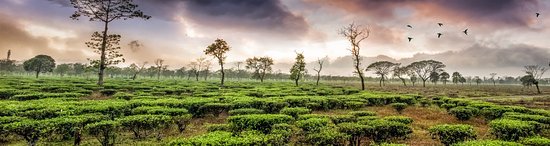
- Activities: Avoid long treks; focus on cultural experiences, tea garden visits and shorter drives when weather permits.
- Travel tips: Keep flexible itineraries. Confirm road conditions daily and carry a sturdy rain jacket and umbrella.
September — Retreating Monsoon and Clearer Skies
September sees the monsoon taper off. The air begins to clear and landscapes remain richly green.
- Temperature: Lowlands 18–25°C; Gangtok 13–20°C.
- Weather: Decreasing rainfall, more sunny intervals and improved mountain visibility by late month.
- Activities: Good for photography, river valleys and planning treks for the coming months.
- Travel tips: Expect some residual showers; roads may still show monsoon damage in places — allow extra travel time.
October — Autumn Perfection
October is one of the best months to visit Sikkim. Clear skies, moderate temperatures and festival energy make it ideal.
- Temperature: Lowlands 12–22°C; Gangtok 8–18°C; nights cooler but comfortable.
- Weather: Dry and stable with excellent visibility of peaks like Kanchenjunga.
- Activities: Great for trekking, road trips (e.g., Silk Route), and attending autumn festivals.
- Travel tips: Book accommodations and permits in advance for popular routes; carry warm layers for mornings and evenings.
November — Crisp Days, Clear Mountain Views
November continues the clear weather pattern. Temperatures begin to drop as winter approaches.
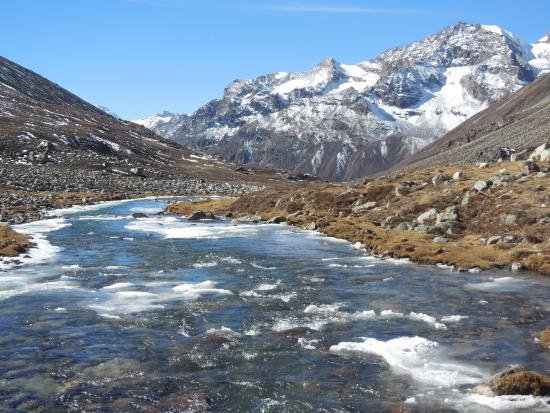
- Temperature: Lowlands 8–18°C; Gangtok 3–12°C; higher altitudes get colder, with first snowfalls possible late month.
- Weather: Mostly dry and sunny, very good for sightseeing and high-altitude road trips pre-winter closure.
- Activities: Ideal for long drives, photography and cultural tours.
- Travel tips: Carry warm clothing for evenings. Confirm access to North Sikkim if you plan to travel to higher passes.
December — Early Winter, Snow at Altitude
December brings winter firmly to Sikkim. Nights are cold; higher regions see consistent snowfall and some passes close to traffic.
- Temperature: Lowlands 4–12°C; Gangtok -1–8°C; alpine zones well below freezing.
- Weather: Clear days interspersed with cold spells and snow at higher elevations.
- Activities: Winter scenery, monastery festivals and a quieter tourism scene; best suited for travellers comfortable with cold.
- Travel tips: Heavy woollens, thermal wear and a warm sleeping bag recommended for stays in village homestays and high-altitude lodges.
Quick planning note: If you plan to travel to North Sikkim or cross high passes (like Nathu La), always check permit requirements and road status, as these are most affected by seasonal weather.
Packing Checklist by Season
Smart packing makes a big difference when travelling across Sikkim’s varied altitudes.
- Monsoon (June–September): Waterproof jacket, quick-dry clothing, rain cover for backpack, sturdy waterproof shoes, insect repellent.
- Spring/Autumn (March–May, October–November): Layers (base thermal, fleece, windcheater), sun protection, trekking shoes, light gloves.
- Winter (December–February): Heavy woollens, insulated jacket, thermals, warm boots, beanie, hand warmers, lip balm and moisturiser for dry air.
Practical Travel Tips
- Altitude acclimatisation: Ascend gradually, especially if you’re heading to places like Lachen and Lachung. Stay hydrated and avoid strenuous activity on the first day at altitude.
- Transport planning: Mountain roads can be slow. Factor in extra travel time and avoid night driving in remote areas.
- Permits and regulations: Restricted area permits are required for North Sikkim and some border areas. Apply through authorised channels well before departure.
- Local festivals: Timing your visit around local festivals (Losar, Bumchu, Dashain in local variations) offers cultural immersion but book early.
- Health and safety: Keep basic medication for altitude sickness, diarrhoea and common colds. Travel insurance that covers mountain rescue is recommended for high-altitude activities.
Best Time to Visit — By Interest
- Sightseeing & photography: October–November and March–May for clear skies and bloom seasons.
- Trekking: April–May and September–October (pre- and post-monsoon windows are safest).
- Snow lovers: December–February for snow in higher reaches; January often has the most reliable snow.
- Budget & quiet travel: Monsoon months (June–August) see fewer tourists but expect rain-related disruptions.
Conclusion
Sikkim’s weather rewards travel flexibility. If you want clear mountain vistas and festivals, aim for spring or autumn. For lush green landscapes and solitude, monsoon months offer a different kind of beauty — provided you accept occasional travel delays. Winter delivers snow and serenity at higher altitudes. Wherever you go and whenever you travel, plan altitude acclimatisation, pack smartly and check local road and permit updates for a smooth, memorable trip.