Sikkim Tour Budget Planning: Where Your Money Goes and How to Plan It
A practical guide to planning your Sikkim trip budget: understand major expense heads, when to splurge or save, permit needs, transport and accommodation choices, and smart tips to stretch your rupee.
By TravMe Holidays travel team · · Updated · 6 min read
Sikkim is a compact state with big vistas and varied costs depending on how you travel. Whether you are aiming for a shoestring backpacking trip or a comfortable, mid-range holiday, knowing where your money will be spent helps you plan smarter and avoid surprises. This guide breaks down the typical expense categories, gives practical tips to control costs, and suggests a simple allocation model to build a workable budget for your Sikkim tour.
Major expense categories: where your money goes
Understanding the main cost heads helps you prioritise. Most travellers’ spending in Sikkim falls into these buckets:
- Transport — getting to and moving around Sikkim.
- Accommodation — from budget hostels to comfortable hotels and homestays.
- Food and drink — local eateries, cafes and occasional restaurant splurges.
- Permits and entry fees — mandatory travel permits for many parts of the state and nominal fees at some attractions.
- Activities and experiences — guided treks, sightseeing tours, adventure sports, and cultural experiences.
- Local transport and transfers — taxis, shared jeeps, cab hires and inner-city travel.
- Shopping and incidental expenses — souvenirs, basic supplies and small personal purchases.
- Insurance and emergency buffer — travel insurance and an emergency fund for unexpected costs.
Transport: arriving and moving within Sikkim
Sikkim has multiple access options. You can fly into the nearest airports, take a train to the closest railheads and continue by road, or drive in by car or bus. Each choice affects your budget significantly:
- Air travel: Flying is the fastest but usually the costliest. Airports near Sikkim have limited connectivity; road transfers from the airport to your destination are common.
- Train: The closest major stations require a road transfer into Sikkim. Trains can be cost-effective if booked early.
- Road: Driving or taking a bus/volvo is economical and scenic. Road travel times are longer due to winding mountain routes.
Within Sikkim, shared jeeps and buses are the most budget-friendly. Private taxis or hiring a car with a driver gives flexibility, especially for exploring remote areas, but will increase transport costs.
Accommodation: choices and how they affect your budget
Sikkim offers a broad spectrum of lodging options. Your accommodation choice will be one of the largest single influences on trip cost.
- Budget hostels and guesthouses: Basic but clean places ideal for solo travellers and backpackers.
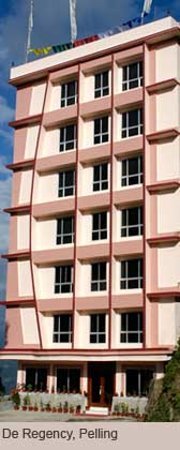
- Mid-range hotels and homestays: Comfortable rooms with local hospitality; great value for couples and families.
- Luxury resorts: Panoramic locations and additional amenities — these carry premium rates.
Book in advance during peak season to lock in better rates. Homestays are not only economical but also enrich your trip with local culture, home-cooked meals and personalised tips from hosts.
Permits and entry regulations
Sikkim requires certain permits for tourists, and some regions need additional clearance. These are important to factor into both your itinerary and budget.
- Indian nationals and foreign tourists may need different documents; check the current rules before travel.
- Popular protected areas and border regions may require a separate permit, typically processed through authorised agents or at designated offices.
- Most permits are routine but plan for processing time and minor fees or service charges.
Tip: Keep photocopies and digital scans of your permits and ID. Some checkpoints request to see originals, while others accept digital copies.
Food, drink and daily expenses
Eating in Sikkim can be very affordable if you favour local eateries and street food. If you prefer cafes, speciality restaurants or organic mountain kitchens, expect higher daily food costs.
- Try local dishes and seasonal produce for authentic experiences that are also wallet-friendly.
- Buying snacks and bottled water from shops instead of tourist outlets helps save a little each day.
- Factor in occasional splurges such as a memorable meal at a high-end restaurant or speciality tea tasting.
Activities and guided experiences
Costs for tours and activities vary depending on duration and level of service. Popular paid experiences include day sightseeing tours, multi-day treks, cultural shows and adventure sports. Guided tours often include transport and some meals, which can represent good value, especially for first-time visitors.
Independent travellers can reduce costs by using public transport, hiring local guides for single days, or joining shared group treks instead of private arrangements.
Sample budget allocation (percentage model)
This simple allocation helps you build a balanced budget. Adjust percentages based on your travel style.
- Transport to/from Sikkim: 20–30%
- Local transport and transfers: 10–15%
- Accommodation: 25–35%
- Food and daily expenses: 10–15%
- Permits and entry fees: 2–5%
- Activities and guided experiences: 10–20%
- Shopping, tips and incidental expenses: 3–7%
- Insurance and emergency buffer: 3–5%
Example: If you favour comfort, place a higher share into accommodation and private transport. Backpackers should tilt the budget towards transport and activities while keeping accommodation lower.
When to save and when to splurge
Save on:
- Redundant transfers — consolidate travel segments when possible.
- Food by choosing local establishments over high-end tourist cafes for most meals.
- Accommodation during mid-week stays or in smaller towns rather than central hubs.
Splurge on:
- A guided trek or specialist adventure activity that requires professional support.
- A homestay or resort with an excellent view or immersive local experience.
- Local handicrafts or authentic souvenirs made by community artisans.
Practical money-saving tips for Sikkim
- Book transport and accommodation in advance for peak season to avoid last-minute price hikes.
- Travel light but pack essentials like layers and rain protection—avoiding expensive last-minute purchases.
- Use shared taxis and public transport for inter-town transfers when time allows.
- Negotiate respectfully for multi-day vehicle hires rather than paying daily rates.
- Eat where locals eat; mountain cuisine is both filling and affordable.
- Carry sufficient cash for remote areas where ATMs may be scarce; check ATM availability along your route.
- Consider travel insurance that covers mountain activities if you plan trekking or adventure sports.
Booking and payment tips
Many hotels and tour operators accept digital payments, but remote homestays and small shops may prefer cash. Keep a mix of payment options ready. For online bookings, check cancellation policies and flexible date options, especially if travelling in the shoulder seasons when weather can affect itineraries.
Final checklist before you finalise the budget
- Confirm permit requirements for each area on your itinerary and include processing time in your plan.
- Estimate transport time between towns — longer drives increase incidental expenses like snacks or fuel surcharges.
- Set aside a small contingency fund for unexpected changes or medical needs.
- Read recent traveller reviews for accommodation and operators to avoid hidden costs or poor service.
Being realistic and flexible makes budget travel in Sikkim not only possible but enjoyable. The state rewards travellers with magnificent landscapes, warm hospitality and memorable experiences — and with thoughtful planning, you can afford the highlights without overspending.
Have a safe trip and enjoy the magic of the Himalaya: careful planning means more time savouring views and less time worrying about costs.