Sikkim Permits Explained: Which Areas Need a Permit and How to Get One
A practical guide to permits in Sikkim — who needs them, which areas are restricted, the documents required, how to apply (online and on arrival), and useful tips for a smooth trip to North and border regions.
By TravMe Holidays travel team · · Updated · 7 min read
Sikkim is a compact Himalayan gem with dramatic valleys, serene monasteries and high-altitude wonders. But because Sikkim borders China (Tibet), Nepal and Bhutan, several areas require permits for security and environmental reasons. Whether you're an Indian traveller or a foreign national, it's essential to know which places need clearance, how to obtain permits and the practicalities of travelling in restricted zones. This guide explains Sikkim permits clearly and practically so you can plan with confidence.
Overview: Why permits are needed in Sikkim
Permits regulate access to border and ecologically sensitive regions. They help the state monitor visitors, protect local communities and preserve fragile mountain environments. Different categories of permits apply depending on nationality and the exact area you plan to visit. Knowing the rules prevents wasted time at checkposts, denied entry and fines.
Who needs permits?
Indian nationals
Indian citizens do not need a permit to visit most tourist destinations in Sikkim such as Gangtok, Pelling, Namchi, Ravangla, Yuksom and monasteries in the lower and central districts. However, access to certain areas in North Sikkim and close to the international border requires permission from state authorities.
Foreign nationals
Foreigners (non-Indian passport holders) need a Protected Area Permit (PAP) or Restricted Area Permit (RAP) to visit many places in Sikkim. The rules are stricter for foreign nationals due to national security regulations. In many cases foreign travellers must be part of a registered tour or be accompanied by a local registered guide.
Which areas in Sikkim need permits?
Here is a clear breakdown by region. If in doubt, confirm with your tour operator or the state tourism office before travelling.
North Sikkim (mandatory permits)
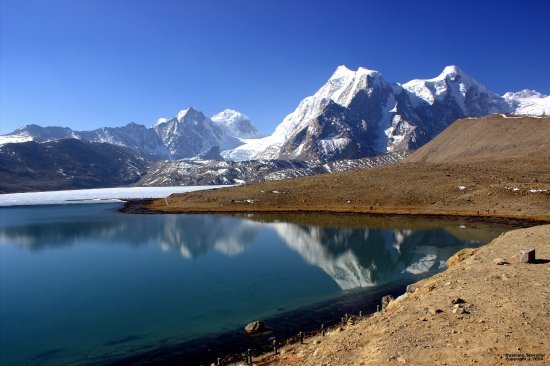
- Lachung, Lachen, Yumthang (Valley of Flowers), Gurudongmar Lake and Chungthang are in North Sikkim. Entry to these areas is controlled and requires permits for both Indian and foreign nationals.
- Permits are checked at the checkposts at Mangan, Chungthang or at the Rangpo/Ravangla entry points depending on your route.
Nathula and Nathu La Pass
- Nathula (Nathu La) is a sensitive border pass on the Indo-China border accessible from Gangtok on a day trip. It is tightly regulated and open only to Indian nationals on certain days; foreign nationals are usually not allowed.
- Special military/SSB permits are issued for Nathula and are typically arranged by registered tour operators or government agencies. Expect strict ID requirements and early morning departures.
West, South and East Sikkim
- Most destinations in West, South and East districts, such as Pelling, Namchi, Ravangla and Gangtok, do not require special permits for Indian citizens.
- Certain border or inner-line zones near sensitive installations may still require permits; signage and local authorities will inform you.
Protected Areas and buffer zones
Parts of Sikkim that are close to the international border or inside protected wildlife reserves may be designated as Protected Areas. Access for foreigners is typically limited and often only allowed as part of organised trips.
Types of permits explained
For Indian nationals
- Conventional on-arrival permits: Issued for visiting North Sikkim and select border areas. These are stamped at police checkposts or issued by district offices.
- Army/SSB permits: Required for sensitive border sites like Nathula. These are controlled and usually arranged through authorised tour operators or local officials.
For foreign nationals
- Protected Area Permit (PAP): Issued to foreigners for travel within designated protected areas of Sikkim. It is generally required for North Sikkim and other restricted zones.
- Restricted Area Permit (RAP): In practice the term is sometimes used interchangeably with PAP. The issuing authority may set conditions such as minimum group size and escort by registered operators.
Documents required
Always carry originals and photocopies of the following. Authorities will not accept incomplete documentation.
- Valid photo ID: For Indian nationals, government ID such as Aadhaar card, voter ID or passport. For foreigners, passport with valid Indian visa and recent passport-size photographs.
- Proof of accommodation and travel itinerary: Some permits require a confirmed hotel booking and details of intended travel within Sikkim.
- Tour operator confirmation: For foreigners especially, a letter or booking confirmation from a registered tour operator or local contact may be necessary.
How to apply: step-by-step
1. Plan your route
Decide whether you will visit North Sikkim (Lachung/Lachen), Nathula, or other protected zones. Permits are area-specific and you must list places you intend to visit.
2. Choose application method
- Offline / on arrival: Many permits for Indian citizens can be obtained at designated checkposts, police stations or the District Collector's office. Expect some queues, so arrive early.
- Online / e-permit: Sikkim has been working to streamline processes and certain permits may be applied for online via official state portals or through the Foreigners Regional Registration Office (FRRO) for foreign nationals. Check official government websites for current online services.
- Through registered tour operators: This is the easiest option for foreign nationals and many Indian travellers visiting remote areas. Operators take care of paperwork, arrangements and escorts where needed.
3. Submit documents and wait for approval
Processing times vary — some permits are issued the same day, others may take longer, especially for foreign passport holders. Carry multiple copies and stay in contact with the issuing office or your operator.
4. Collect and carry permits
Once issued, keep the physical permit with you. Checkposts will ask to see the permit and may retain copies. For foreigners, ensure your passport visa stamp matches the permit details.
Validity, extensions and conditions
- Validity: Permits are typically valid for a specified number of days and for the specific areas listed. Travelling outside permitted zones can lead to penalties.
- Extensions: If you need to stay longer, apply for an extension well before expiry through the issuing authority. Extensions are discretionary and may require justification.
- Group travel rules: Some permits for foreigners require a minimum group size and a registered guide. Check these conditions before booking.
Practical tips for permit-related travel in Sikkim
- Carry ID and permit copies at all times — authorities may stop vehicles on mountain roads.
- Arrange permits in advance where possible, particularly in peak season, to avoid disappointment and delays.
- Hire local, registered drivers and guides for North Sikkim. They know permit procedures and safe mountain driving practices.
- Be prepared for early starts and military checkpoints, especially for Nathula and high-altitude lakes.
- Respect local rules and fragile ecosystems. Many restricted zones are protected for cultural and environmental reasons.
Tip: If you’re unsure whether a destination needs a permit, check with Sikkim Tourism, your hotel or a registered tour operator before you travel.
Common misconceptions
There are several myths travellers often hear:
- “All of Sikkim needs a permit.” Not true — most popular hill stations and cultural sites in Gangtok, Pelling and South/West Sikkim do not need permits for Indian citizens.
- “Foreigners can freely visit Nathula.” False — Nathula is strictly regulated and foreign access is highly restricted or denied depending on current security policy.
- “Permits are impossible to get.” Not true — with correct documents and planning, permits are straightforward. Using a local operator simplifies the process.
What happens if you travel without a permit?
Attempting to visit restricted areas without the correct permit can result in denial of entry, fines, vehicle seizure or legal action. It may also put local communities and yourself at risk, especially in remote, high-altitude areas where rescue and medical help are limited.
Final checklist before you go
- Confirm exactly which areas on your itinerary need permits.
- Collect required ID, photographs, accommodation confirmations and tour bookings.
- Decide whether you will apply online, at a checkpost or through a tour operator.
- Keep multiple copies of permits and ID; store scanned copies in your email or cloud.
- Plan logistics (vehicles, fuel, acclimatisation days) for high-altitude zones.
Travelling to Sikkim’s pristine highlands is rewarding, but requires a little extra planning. Follow the permit rules, respect local guidance and you’ll be rewarded with spectacular landscapes, warm local hospitality and unforgettable mountain experiences.
Safe travels — and if you’d like help arranging permits and a tailored itinerary for North Sikkim, our team at TravMe Holidays can assist every step of the way.
Conclusion
Understanding permits is a small but crucial part of planning a trip to Sikkim. Indian travellers should check requirements for North Sikkim and border passes, while foreign nationals will need the appropriate PAP/RAP and often a registered escort. Apply early, keep your documents ready and work with local authorities or tour operators when necessary. With the right preparation, you’ll be free to enjoy Sikkim’s stunning valleys, high-altitude lakes and peaceful monasteries without hassle.