Shoes and Clothing for Sikkim: What Actually Works in the Hills
Practical, season-specific guidance on shoes and clothing for Sikkim—what fabrics, layers and footwear actually work for town, monsoon and high-altitude treks to keep you comfortable and respectful in the hills.
By TravMe Holidays travel team · · Updated · 6 min read
Sikkim’s compact beauty means you can experience subtropical valleys, misty mid-hills and alpine ridges within a few hours’ drive. That rapid change in elevation and weather is what makes packing for Sikkim both exciting and tricky. The right clothing and shoes will keep you comfortable in town, protected on windy mountain passes, and safe on muddy or rocky trails.
Understand Sikkim’s climate and how it affects clothing choices
Sikkim’s weather varies dramatically by season and elevation. Lower valleys and towns like Gangtok can be cool to warm, especially in summer, while higher passes and trekking areas can be chilly year-round. Monsoon brings heavy rain and high humidity to much of the state, making quick-drying fabrics and waterproof layers essential. Temperatures can drop sharply after sunset even when days are pleasant, so layering is the most reliable strategy.
Key seasonal considerations
- Summer (pre-monsoon and monsoon): Expect warm days in the valleys and frequent rain; humidity increases the need for breathable fabrics and waterproof outerwear.
- Autumn and spring: Clear skies, cooler nights—ideal trekking weather; mornings and evenings can be cold, so pack insulating mid-layers.
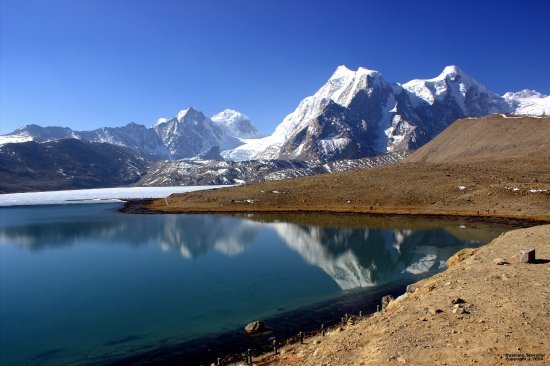
- Winter: Cold, especially above 2,500–3,000 metres; warm down jacket, thermal base layers, warm hat and gloves are necessary for higher-altitude stays and treks.
Principles of packing clothing for Sikkim
Think layering, protection, and quick-drying materials. Rather than heavy single garments, build combinations that you can add or remove as conditions change. Prioritise comfort and mobility if you plan to hike or explore temples where you’ll walk on uneven paths.
Layering system
- Base layer: Moisture-wicking innerwear—synthetic or merino wool helps pull sweat away from the skin.
- Mid layer: Lightweight fleece or insulated jacket for warmth without bulk.
- Outer layer: Waterproof, breathable shell to block wind and rain.
Fabrics to choose (and avoid)
- Choose: Merino wool for warmth and odour resistance, synthetic blends for fast drying, windproof shells with breathable membranes, quick-dry trousers and moisture-wicking t-shirts.
- Avoid: Pure cotton for active days—cotton retains moisture and chills the body when wet. Heavy denim is also bulky and slow to dry.
Shoes for the hills: what to wear where
Your footwear is the most critical element. Sikkim’s terrain moves from paved town centres to muddy monsoon tracks and rocky high-altitude trails. Choose shoes with the right grip, ankle support and waterproofing for your planned activities.
For short walks and town visits
- Comfortable walking shoes or trainers with good grip work well around Gangtok and market areas.
- Look for a cushioned sole and a breathable upper; a modest tread helps on wet pavements.
- Slip-on shoes are convenient for monasteries where you may need to remove footwear at entrances—carry thin socks if you prefer.
For monsoon and muddy conditions
- Waterproof trail shoes with grippy soles are ideal for day hikes and waterfall trails during and after rain.
- A mid-height shoe or light boot protects your feet from splashes and ankle twists on slippery, uneven ground.
- Consider quick-drying socks or lightweight neoprene socks if you expect frequent water crossings.
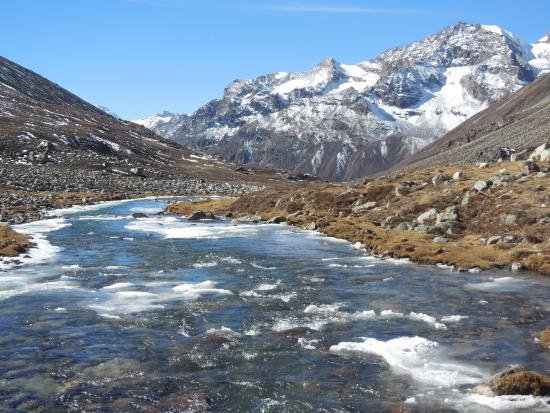
For serious trekking and high-altitude passes
- Sturdy, well-broken-in hiking boots with ankle support and a solid Vibram-style outsole are best for rocky or steep trails.
- Ensure boots are compatible with any gaiters you use—gaiters keep out scree, snow and mud at higher elevations.
- Bring an extra pair of lighter trekking shoes or sandals for evenings to let your feet breathe.
Foot care essentials
- Blister plasters, a small first-aid kit, and anti-chafing balm are must-haves.
- Break in new footwear well before you travel—painful feet can ruin a short trip.
Clothing checklist by activity
Below are suggested items adapted to common traveller plans in Sikkim. Use these as a guide, adjusting for season and personal tolerance to cold.
City sightseeing and cultural visits
- Lightweight trousers or jeans (not heavy denim for humid months)
- Breathable shirts or blouses—layer with a thin fleece for mornings
- Comfortable walking shoes and a pair of socks for temple visits
- Light rain jacket or compact umbrella in monsoon season
Short hikes and nature walks
- Quick-dry hiking pants, moisture-wicking t-shirts
- Waterproof trail shoes and a lightweight rain jacket
- Cap or wide-brim hat, sunglasses, and sunscreen
Multi-day treks and high-altitude routes
- Thermal base layers and insulating mid-layer (fleece or light down)
- Durable trekking boots, gaiters, and wool or synthetic socks
- Warm hat, gloves, and a down jacket or heavy parka for evenings
Accessories that make a difference
Small items can significantly improve comfort in Sikkim’s changing weather.
- Rain protection: A pack rain cover and waterproof stuff sacks keep gear dry. A lightweight poncho can double as a shelter in emergencies.
- Layering extras: Packable down jackets or vests provide high warmth-to-weight ratio and stow easily.
- Sun and chill protection: Sunglasses, SPF lip balm, and a buff or neck gaiter for wind and dust.
- Compression packing cubes: Help you allocate layers and separate dirty clothes; also useful for laundry organisation.
Practical tips for buying and renting in Sikkim
If you prefer to travel light, several towns offer outdoor shops where you can buy or rent gear. Renting can be economical for bulky items like down jackets or hiking boots, but quality varies—inspect gear carefully and try it on with your usual socks.
When to buy locally
- If you forgot essentials like rain jackets, ponchos or warm hats, buy locally—markets and shops in Gangtok and tourist hubs stock basic outdoor wear.
- Handmade woollen items from local markets make warm, authentic souvenirs; they’re best for casual wear rather than wet-weather trekking.
Respectful dressing and cultural notes
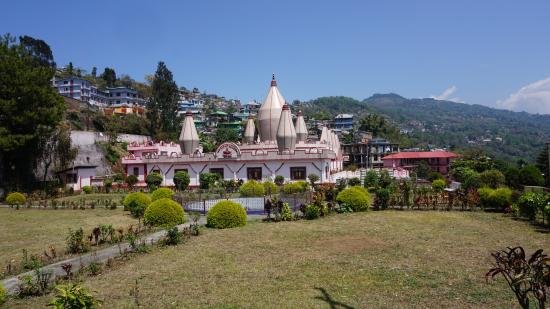
Sikkimese communities value modesty in many religious and rural spaces. When visiting monasteries or traditional villages, keep shoulders and knees covered. Avoid overly loud or skimpy outfits in sacred sites. Footwear etiquette varies—some temples require removal before entering prayer halls, so bring easy-to-remove shoes and tidy socks.
Tip: Layer smart, pack compact. A small, warm jacket and a reliable waterproof shell will be the two items you use most in Sikkim.
Packing strategy and laundry
Pack for variability. Use a lightweight daypack for excursions and keep core layers accessible. Many guesthouses and hotels in Sikkim offer laundry services—ask about turnaround times during peak seasons. Quick-dry garments and travel detergents allow you to wash small items in your room when needed.
Final checklist before you leave
- Break in footwear and test your layering at home.
- Pack a waterproof outer layer and at least one insulating layer.
- Carry blister care supplies and sun protection.
- Ensure shoes have appropriate grip for the terrain you plan to explore.
- Respect local customs—cover up in religious sites and be prepared to remove footwear when required.
With the right clothing and footwear choices you’ll be prepared for Sikkim’s dramatic microclimates and varied terrain. Pack smart, focus on layers, and choose footwear suited to your activities—and you’ll be free to enjoy rhododendron forests, sweeping mountain views and warm Sikkimese hospitality without being distracted by cold, wet or uncomfortable gear.
Safe travels and enjoy the hills—Sikkim rewards those who come prepared.