Permits for Tsomgo Lake and Nathu La: What Indian Travellers Need
Planning a visit to Tsomgo (Changu) Lake and Nathu La in Sikkim? This guide explains who needs permits, how to obtain them, required documents, timing and restrictions, acclimatisation tips and practical travel advice for Indian travellers.
By TravMe Holidays travel team · · Updated · 7 min read
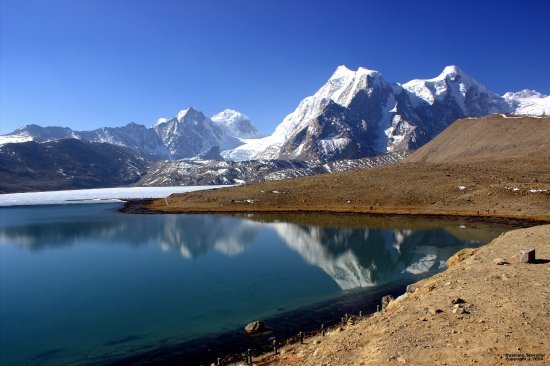
Tsomgo Lake (Changu Lake) and Nathu La Pass are two of East Sikkim’s most iconic high-altitude attractions. They lie close to each other on the road from Gangtok and are subject to strict access controls because of their proximity to the India–China border. If you are an Indian traveller planning this trip, understanding the permit regime, rules, timings and safety considerations will make your visit smooth and stress-free.
Why permits are required
Both Tsomgo Lake and Nathu La lie in a sensitive border area under the jurisdiction of the Indian security forces and the Sikkim state administration. Permits are required to ensure security, manage tourist numbers, record civilian movements near the border and preserve fragile high-altitude ecosystems. Entry is controlled not only for administrative reasons but also for visitor safety — these are high-altitude locations where weather and terrain can change rapidly.
Who needs a permit
For Indian nationals:
- Indian citizens require permits issued by the Sikkim authorities to visit Tsomgo Lake and Nathu La. These are sometimes referred to as Inner Line Permits or restricted-area permits locally. Permits are mandatory to proceed beyond certain checkpoints.
- Tsomgo Lake is comparatively easier to access with a permit and is a popular day-trip from Gangtok. Nathu La lies further up and involves additional restrictions and military escort; only authorised visitors with the correct permits are allowed.
For foreign nationals:
- Foreigners face much stricter controls. In many cases, foreign nationals are not permitted to visit Nathu La and are allowed limited access to some parts of East Sikkim only after special clearances from central agencies. Always check with the Sikkim tourism office or a registered local tour operator well in advance.
Types of permits and how they work
Permits for these areas fall into a few categories depending on your destination and nationality:
- Day-visit permits for Tsomgo (Changu) Lake: Issued for a day trip from Gangtok, allowing tourists to visit the lake and return the same day. These are the most common permits for leisure travellers.
- Nathu La access permits: Required for visiting the pass. These are more restricted — security clearance is necessary and visits are usually conducted in escorted convoys at prescribed times. Access to the actual border point and nearby military installations is strictly regulated.
- Vehicle permits and convoy slots: Private vehicles may need special authorisation to proceed beyond certain points; often, groups travel in organised convoys arranged by tour operators or at checkpoints managed by authorities.
How to apply — step by step
There are two common routes to obtain the required permits:
- Through a registered local tour operator: This is the easiest and most reliable option. Reputable operators in Gangtok or from your home state will prepare your permit application, submit it to the district magistrate’s office or Sikkim tourism office, and handle coordination with security agencies. They also arrange escorted travel and collect fees on your behalf.
- Direct application to Sikkim authorities: Some permits can be applied for online through official Sikkim government portals or at the Office of the District Collector/Deputy Commissioner in Gangtok. Processing times vary; you may need to visit in person to submit ID copies and photographs.
Practical tips:
- Start the process at least a week before your intended visit; for peak season or larger group requests, apply earlier.
- Carry both printed and digital copies of permits. Authorities generally insist on a physical permit at checkpoints.
- Make bookings for the March–May and September–November windows where weather is favourable; permits may be harder to obtain or visits may be canceled during heavy snowfall or monsoon closures.
Documents you typically need
Requirements can vary slightly, but these are the usual documents demanded for Indian travellers:
- Valid government photo ID: Aadhaar card, Voter ID (EPIC), or Passport. Carry the original and photocopies.
- Passport-size photographs (colour).
- Filled permit application form — provided by the authority or your tour operator.
- Details of your accommodation in Sikkim and travel itinerary.
- Vehicle documents and driver's licence if you are using a private vehicle; if travelling in a hired vehicle, the operator provides vehicle permits.
Timings, closures and convoy rules
Access to Tsomgo Lake and Nathu La is governed by strict timing and convoy rules. These may change for security or weather reasons, so confirm locally before you head out.
- Visits are usually scheduled in morning and early afternoon convoy slots. Nathu La may be closed intermittently for security or ceremonial reasons.
- Nathu La is often closed on certain weekdays or for security exercises. Tsomgo Lake has more flexible timings but can be closed during extreme weather.
- Private vehicles may not be allowed beyond a certain point; most tourists travel in government-authorised taxis or buses in escorted convoys.
Photography, drone rules and conduct near the border
Because these sites are close to the international border and military installations, there are important restrictions:
- Do not photograph military personnel, check posts, fortifications, or any restricted structures. Photographing these can lead to confiscation of cameras or legal consequences.
- Drones are strictly prohibited in border areas unless you have specific clearance from central authorities. Do not attempt to fly one.
- Be respectful to soldiers and officials; follow instructions from escorting personnel at all times.
Health and altitude considerations
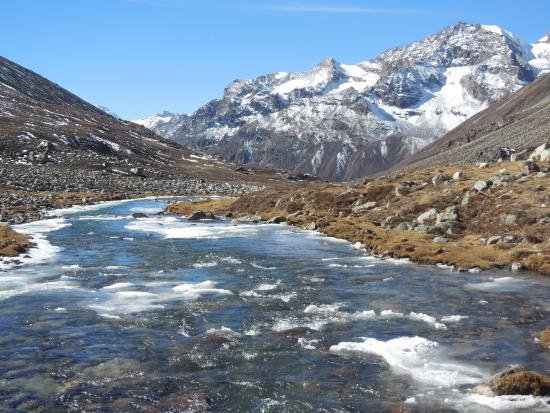
Tsomgo Lake sits at about 3,700–3,800 metres and Nathu La is higher — both are high-altitude environments. Follow these precautions:
- Spend at least a day or two in Gangtok (1,650 m) to acclimatise. Sudden ascent can trigger altitude sickness.
- Stay hydrated, avoid alcohol before and during the visit, and eat light meals.
- Carry basic medication for headache and nausea; consult your doctor if you have pre-existing heart or respiratory conditions.
- Dress in layers; conditions change quickly and it can get very cold even in summer.
Practical travel tips
- Book your permit and transport through a trusted, registered tour operator. They know the local procedures and help avoid surprises at checkpoints.
- Carry cash; some checkpoints and local vendors may not accept cards. Keep a photocopy of all permits and IDs in a separate bag in case originals are needed at checkpoints.
- Allow time in your schedule for delays. Convoys, security checks, and weather can slow you down.
- Respect environmental guidelines: do not litter, avoid feeding animals, and use designated areas for rest and photography.
Frequently asked questions
How long does it take to get a permit?
Processing times vary. When applying through a tour operator, permits are typically arranged over a few days. If you apply directly, allow several days to a week, especially during peak season.
Can I visit both Tsomgo Lake and Nathu La on the same day?
Yes, many day tours combine both, starting from Gangtok early in the morning. However, consider altitude effects and the stricter controls at Nathu La; if you are concerned about altitude sickness, spread visits over two days.
Are there restricted dates or sudden closures?
Yes. Both sites can be closed for security reasons, military exercises, inclement weather or political events. Always confirm with your operator or the local tourism office a day before travel.
Responsible travel and final checklist
Because these are sensitive border areas, responsible travel is essential. Keep to marked paths, do not stray near military zones, and follow the instructions of escort personnel. Before you depart, ensure you have:
- Permits (printed and digital copies)
- Original photo ID and photocopies
- Warm, layered clothing and comfortable walking shoes
- Basic medications and water
- Contact details of your tour operator and accommodation
Tip: Work with a registered local agency in Gangtok — they handle permit formalities, vehicle arrangements and liaison with security agencies, leaving you to enjoy the stunning landscapes.
Visiting Tsomgo Lake and Nathu La is a memorable experience — dramatic high-altitude lakes, sweeping mountain vistas and the sense of standing near a major international frontier. With the correct permits, sound planning and respect for local rules, your trip will be safe, enjoyable and hassle-free.
Wishing you clear skies and a smooth permit process on your journey to Sikkim’s high mountain wonders.