Sikkim in Winter: Snow, Cold and What Stays Open
Discover what Sikkim is like in winter: where you’ll find snow, which roads and attractions stay open, and practical tips for safe, comfortable travel in cold and high-altitude conditions.
By TravMe Holidays travel team · · Updated · 6 min read
Winter in Sikkim is a season of diamond-bright sunlight, frost-laced mornings and, at higher elevations, carpets of pristine snow. For many travellers from India, visiting Sikkim in winter means trading green monsoon valleys for glacial blue skies and dramatic Himalayan vistas. But winter travel also brings road closures, cold-weather realities and a different rhythm of life — some places become quieter yet deeply beautiful, while others may shut down until spring.
What winter looks like across Sikkim
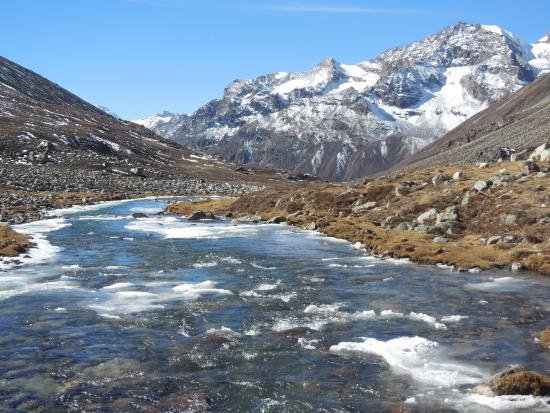
Sikkim’s climate varies rapidly with altitude. The lower and mid-hills (Gangtok, Namchi, Pelling) experience crisp, cool days and chilly nights. Higher elevations in North Sikkim (Lachung, Lachen, Yumthang Valley, Gurudongmar Lake) are cold and frequently snowbound. Expect temperatures from mildly cool (single digits Celsius in the day) in the hills to deep sub-zero at dawn and night in the high reaches.
Snowfall patterns
Snow typically starts to accumulate in higher regions from late November and can persist through March or longer, depending on the winter’s strength. Yumthang and the roads to Gurudongmar are often transformed into wintry landscapes from December onwards. Lower elevations will see occasional light dustings, but substantial and lasting snowfall is mostly a high-altitude phenomenon.
Which places stay open in winter
Many of Sikkim’s major towns and tourist hubs continue to welcome visitors during winter, but access to some high-altitude attractions is variable. Below is a practical guide to what you can reasonably expect to be open.
Gangtok
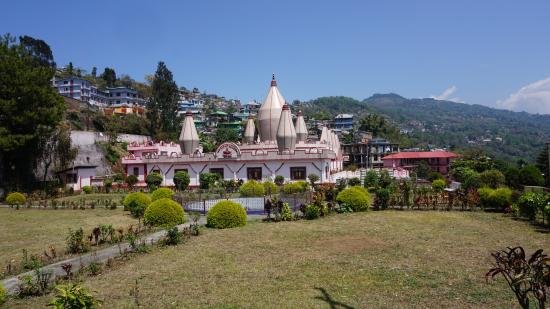
Gangtok, the state capital, remains open year-round and is a convenient base for winter travellers. Hotels, restaurants, shops and tour operators operate through the season. Warm clothes and a layer of insulation are essential — many hotels provide heating but always check in advance.
Pelling and West Sikkim
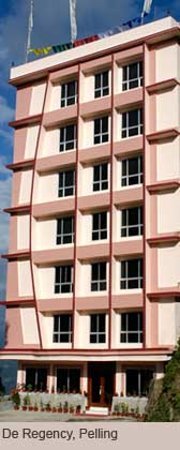
Pelling is accessible in winter and offers spectacular views of Kanchenjunga, often with snow-capped ridges. Most hotels and eateries in Pelling and nearby sightseeing spots like Pemayangtse Monastery stay open. Roads can be icy; travel with an experienced driver comfortable with mountain winter driving.
North Sikkim: Lachung, Yumthang, Lachen
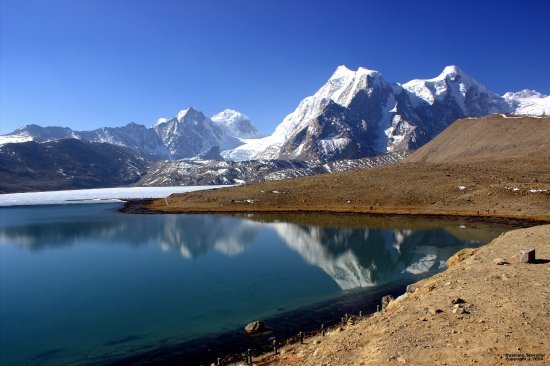
North Sikkim is the big winter question: many villages and guesthouses in Lachung and Lachen operate through winter, especially those accustomed to hosting sightseers, but services may be reduced. Yumthang Valley becomes a snow-carpeted destination; it is highly seasonal and can be accessible for much of winter, though heavy snowfall or road blockages may temporarily restrict access. Gurudongmar Lake, at very high altitude, is sometimes inaccessible during peak winter due to deep snow — check the latest local conditions and permit status before planning.
Nathu La and protected areas
Nathu La Pass is frequently closed to civilian traffic in winter for safety and strategic reasons. Even when open, Nathu La requires advance permits and is weather-dependent. Many protected and border-sensitive areas have restricted access in winter; always confirm permits and opening status with local authorities or your tour operator.
Roads and transport: what to expect
Roads in Sikkim are hill roads that can become narrow, icy and snow-covered in winter. Road maintenance crews do their best, but sudden weather changes, landslides and avalanches after heavy snowfall can cause closures and delays. Key points to consider:
- Approach airports: Bagdogra (West Bengal) is the main civil airport for Sikkim access; Pakyong Airport near Gangtok may be operational but can be weather-affected. Flights can be delayed or cancelled in poor weather.
- Vehicle choice: Prefer sturdy vehicles with snow chains available. SUVs with experienced drivers are commonly recommended for winter travel in Sikkim.
- Timing: Allow buffer days in your itinerary for delays — do not schedule tight connections, especially if you plan to go to North Sikkim.
Permits and bureaucracy in winter
Domestic tourists typically require permits to visit certain parts of Sikkim (Inner Line Permits and Restricted Area Permits for North Sikkim). Permit issuance continues through winter, but some permits may be restricted if roads are officially closed for safety reasons. Your travel agent or hotel can assist with permit processes; always carry original ID documents while travelling.
Accommodation and services
Most hotels in Gangtok and major hill stations stay open in winter. In smaller villages and high-altitude homestays, owners may temporarily close or offer limited services during heavy snowfall. Tips for booking:
- Book hotels that advertise winter heating and hot water if you’re travelling in the cold months.
- Confirm whether the property has backup power, since winter storms can interrupt electricity.
- Check meal availability — some remote homestays serve only dinner and breakfast if supplies are constrained.
Activities and attractions suited to winter
Winter opens up unique experiences in Sikkim. While some high-altitude treks are impractical, there are several rewarding activities:
- Snow play and photography: Yumthang’s frosted meadows and the snow-laden forests north of Lachung make excellent winter photo locations.
- Birdwatching and landscape viewing: Lower altitudes remain excellent for clear mountain views and winter bird species.
- Monastery visits: Monasteries like Rumtek and Pemayangtse provide cultural warmth; festivals and local rituals continue through the season.
- Local festivals: Depending on the lunar calendar and local schedules, you may catch winter festivals that bring colourful ceremonies and community gatherings.
Health, safety and clothing tips
Cold and altitude create particular health considerations. Prepare carefully to stay safe and comfortable.
Clothing and gear
- Layering is essential: base layer, insulating mid layer, and a windproof/waterproof outer shell.
- Warm headgear, thermal gloves, good wool or thermal socks and insulated boots are musts for high-altitude snow zones.
- Sunglasses or goggles with UV protection and sunscreen are important — snow reflects sunlight strongly.
Altitude and health
North Sikkim destinations are at high altitudes; acclimatisation matters. Move slowly, hydrate properly, avoid heavy exertion on the first day at altitude and recognise symptoms of acute mountain sickness: headache, nausea, dizziness. If severe symptoms develop, descend immediately and seek medical attention. Carry a basic first-aid kit and any personal medications.
Winter hazards
- Be prepared for icy surfaces and use proper footwear to prevent slips.
- Driving risks increase with ice and poor visibility — hire experienced drivers and avoid night travel on mountain roads when possible.
- Keep mobile phones charged and carry power banks; signal can be patchy in remote areas.
Packing checklist for winter Sikkim
- Thermal innerwear, fleece or down jacket, waterproof outer jacket
- Insulated boots, warm socks, gloves and a woollen cap
- Sunglasses with UV protection, lip balm, high SPF sunscreen
- Basic medicines, altitude sickness medication if prescribed, water purification tablets
- Power bank, torch/headlamp, spare batteries
- Copies of permits and ID, emergency contacts
Tip: Travel insurance that covers evacuation and high-altitude emergencies is highly recommended for winter trips to North Sikkim.
Responsible travel considerations
Winter is a fragile time for mountain ecosystems and local communities. Respect local customs, avoid littering, and be mindful of fuel and water use in places where supplies are limited. If you hire local guides or drivers, make sure they are fairly compensated — supporting local livelihoods helps sustain tourism in remote communities.
Final planning checklist
- Check current road and weather reports before you leave and daily while travelling.
- Confirm permits and opening status for places such as Yumthang, Gurudongmar and Nathu La.
- Book accommodation that offers heating and has a good winter-readiness reputation.
- Allow flexible time for travel and avoid tight schedules that don’t accommodate delays.
With good preparation, winter can be one of the most rewarding times to visit Sikkim: clear skies sharpen mountain panoramas, snow hushes the landscape into a peaceful mirror of light, and fewer crowds mean a quieter, more intimate experience. Dress warmly, plan flexibly and embrace the season’s slow beauty.
Conclusion: Sikkim in winter is a study in contrasts — vivid, serene and occasionally demanding. Know what’s open, prepare for cold and altitude, and you’ll discover a winter Himalayan getaway that stays with you long after the snow melts.