Sikkim in Summer: Weather, Places to Visit and Travel Tips
Sikkim in summer offers cool hill stations, rhododendron blooms and alpine valleys before the monsoon. This guide covers weather, top places, travel logistics, packing and smart tips for a safe, memorable trip.
By TravMe Holidays travel team · · Updated · 7 min read
Summer is one of the most inviting seasons to visit Sikkim. From late April to early June the state wears its greenest coat: terraced fields, clear mountain views and flowering rhododendrons in higher reaches. Before the monsoon sets in, this window offers comfortable temperatures across elevations, making it ideal for sightseeing, gentle treks and cultural experiences. This guide will help you plan a summer trip to Sikkim — what to expect weather-wise, which places to prioritise, how to travel and practical tips for an enjoyable visit.
Understanding Sikkim's summer weather
Sikkim's geography varies dramatically from sub-tropical valleys to alpine highlands. Summer in Sikkim typically spans April, May and early June, with monsoon rains arriving from mid-June to September. Weather and temperature change sharply with altitude, so pack and plan accordingly.
Lower elevations (Gangtok, Namchi, Ravangla)
Lower and mid-elevation towns enjoy mild, pleasant days in summer. Daytime temperatures usually range from 15°C to 25°C; evenings are cooler but comfortable. Clear skies prevail in April and May, offering excellent visibility for views of the eastern Himalaya.
Higher elevations (Lachung, Yumthang, Lachen, Gurudongmar)
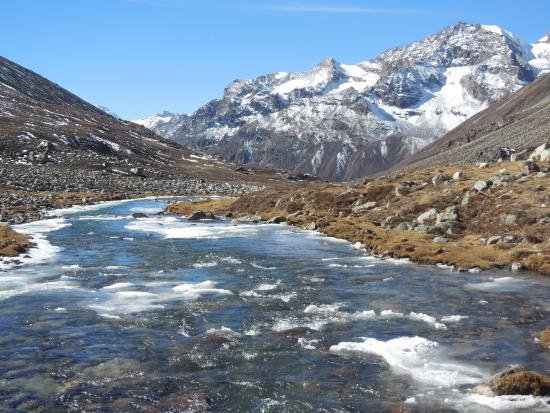
High-altitude areas remain chilly even in summer. Day temperatures can be around 5°C–15°C while nights can drop close to freezing, especially at locations above 3,500 m. Snow may still be present in early summer at the highest spots, and wind can make it feel colder than the thermometer suggests.
Monsoon impact
From mid-June onwards the south-west monsoon brings frequent rains, landslides and occasional road blockages. While landscapes are lush and waterfalls dramatic, heavy rain can disrupt travel and trekking plans. Therefore, late April to early June is the safest summer window for uninterrupted travel.
Top places to visit in summer
Sikkim packs a lot into a small area: spiritual sites, scenic valleys, mountain passes and alpine meadows. Here are essential summer stops and why they shine in this season.
Gangtok
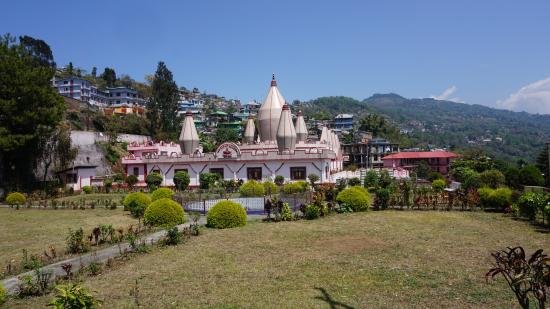
The state capital is an excellent base for acclimatisation and culture. Visit the Rumtek Monastery, Enchey Monastery, MG Marg and the Himalayan Zoological Park. Clear summer days give rewarding views of Kanchenjunga from viewpoints like Tashi Viewpoint and Hanuman Tok.
Pelling and Khecheopalri
Pelling offers close-up views of Kanchenjunga along with colonial-era charm. From here you can visit the Pemayangtse Monastery and the sacred Khecheopalri Lake, known for its Buddhistic folklore and tranquil environment.
Lachung, Lachen, Yumthang and Gurudongmar
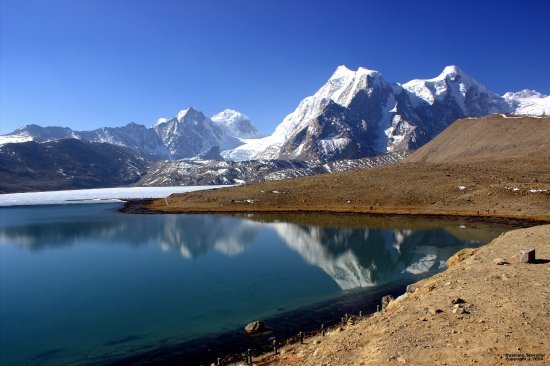
North Sikkim is at its best in early summer. Lachung and Lachen are base villages for Yumthang Valley — the “Valley of Flowers” — where alpine blooms carpet the meadows. Gurudongmar Lake, one of the highest in the world, is accessible via Lachen and offers surreal, luminous landscapes.
Zuluk and the Silk Route
For dramatic, winding roads and panoramic ridgelines, drive the historic Silk Route through Zuluk, Thambi Viewpoint and Nathang Valley. The toy-like spirals of the old roads and open vistas make for unforgettable photography in clear summer light.
Ravangla and Temi Tea Garden
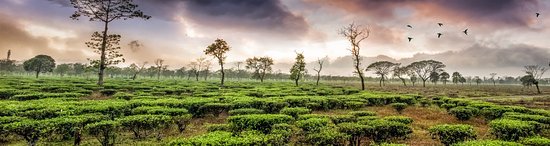
Ravangla is a quieter alternative to Gangtok and Pelling with nice walks, meditation centres and views. Nearby Temi Tea Garden is ideal for a relaxed stroll among verdant tea bushes and sampling locally produced tea.
Suggested summer itineraries
Here are two practical itineraries depending on the length of your trip.
7-day highlights circuit
- Day 1: Arrive Bagdogra/New Jalpaiguri, transfer to Gangtok (acclimatise).
- Day 2: Explore Gangtok — monasteries, MG Marg, viewpoints.
- Day 3: Drive to Pelling — Pemayangtse, Rabdentse ruins.
- Day 4: Day trip to Khecheopalri or local hikes in Pelling.
- Day 5: Drive to Ravangla, visit Temi Tea Garden.
- Day 6: Return to Gangtok or proceed to Bagdogra for departure.
10–12 day north Sikkim circuit
- Day 1–2: Gangtok acclimatisation and sightseeing.
- Day 3: Gangtok to Lachung.
- Day 4: Lachung to Yumthang Valley and back.
- Day 5: Lachung to Lachen; overnight in Lachen.
- Day 6: Lachen to Gurudongmar Lake and back to Lachen/Lachung.
- Day 7–8: Return to Gangtok, optional excursions to Tsomgo Lake and Baba Mandir.
- Day 9–12: Add Pelling/Zuluk if time permits before departure.
Practical travel tips
How to reach Sikkim
- By air: Bagdogra Airport (near Siliguri) is the closest major airport. From there it is a road journey to Gangtok (about 4–5 hours depending on traffic and road conditions).
- By train: New Jalpaiguri (NJP) station serves long-distance trains. Road transfer to Gangtok or other Sikkim destinations is available from NJP.
- By road: Regular shared taxis and private cars ply between Siliguri and Sikkim towns. Roads are scenic but can be hilly and winding.
Permits and legalities
Indian nationals typically need valid photo ID (Aadhaar, voter ID or passport) for travel and hotel check-ins. Foreign nationals require Protected Area Permits (PAP) for Sikkim; many restricted areas in North Sikkim require special permits and travel through authorised tour operators. Always check current regulations before travel, as rules can change.
Accommodation and bookings
Summer is a popular season — book hotels and homestays in advance, especially for North Sikkim where accommodation is limited. If visiting remote valleys, confirm meals and hot water availability; many lodges in high-altitude zones operate limited services.
Transport within Sikkim
Private drivers, pre-booked taxis and organised tours are the easiest ways to move around. Shared Jeeps are available for shorter routes but may not run daily to remote high-altitude spots. Road journeys can be long; leave early to avoid afternoon weather and landslide-prone hours during monsoon onset.
Packing checklist for summer in Sikkim
- Layered clothing: light shirts for daytime, warm sweaters and a good windcheater for evenings and high altitudes.
- Warm hat, gloves and thermal innerwear if you plan to visit North Sikkim or high passes.
- Waterproof jacket and quick-dry clothing — useful if you travel near monsoon onset.
- Sturdy walking shoes or boots for trails and uneven surfaces.
- Sunscreen, sunglasses and a wide-brimmed hat — UV is stronger at altitude.
- Basic first-aid kit, altitude sickness medication (after consulting a doctor), and prescription medicines.
- Reusable water bottle, power bank and photocopies of ID and permits.
Food, culture and responsible travel
Sikkimese cuisine blends Tibetan, Nepali and Indian influences. Try momos, thukpa, gundruk and local pork and vegetable dishes. Tea gardens produce aromatic green and orthodox teas. When sampling street food, choose clean-looking stalls and hot, freshly prepared items.
Respect local customs: dress modestly at monasteries, ask before taking photographs of people, and observe rules at sacred sites. Sikkim has strong environmental regulations — avoid single-use plastics, carry back non-biodegradable waste and stick to marked trails when hiking.
Health, safety and acclimatisation
Altitude sickness can affect visitors even at moderate heights. Spend the first day in Gangtok resting and hydrate well. If you plan to visit locations above 3,000 m like Yumthang or Gurudongmar, factor in gradual ascent and watch for symptoms like headache, nausea and breathlessness. Seek medical help promptly if symptoms worsen.
Carry mosquito repellent for lower elevations and use water purification tablets or trusted bottled water. Travel insurance with emergency evacuation cover is advisable for remote and high-altitude trips.
Tip: Start early each day. Mountain weather changes rapidly; mornings often give the clearest views for photography and sightseeing.
When to avoid travel
Avoid planning critical travel during the peak monsoon months (mid-June to September) if you have limited time or are visiting remote highlands. Roads can be disrupted, and many high-altitude passes become inaccessible. If you must travel in monsoon, build flexibility into your schedule and travel with an experienced local operator.
Final thoughts
Summer is an excellent season to experience the variety Sikkim offers: comfortable weather in the lower towns, alpine splendour in the north and vibrant landscapes before the monsoon. With a little planning — permits checked, accommodation booked and appropriate clothing packed — you can savour panoramic mountain views, serene monasteries and unique Himalayan culture. Whether you prefer leisurely walks through tea gardens or a serene high-altitude valley carpeted with wildflowers, Sikkim in summer will reward you with memories of tranquil beauty and warm local hospitality.