Sikkim in Spring: Rhododendrons, Clear Skies and Blooming Valleys
Discover Sikkim in spring when rhododendrons blaze across hillsides, skies clear for Himalayan views and valleys burst into colour. A practical guide to where to go, what to see, and how to plan your trip.
By TravMe Holidays travel team · · Updated · 6 min read
Spring transforms Sikkim into one of India’s most photogenic states: forests and high slopes become a tapestry of rhododendron reds, pinks and whites, mountain vistas return after winter haze, and valleys awake with new life. This guide will help you experience Sikkim in its floral best — from the lowland subtropical foothills to alpine meadows — with practical tips on when to go, where to stay, what to pack and how to make the most of your visit.
Why visit Sikkim in spring?
Spring, broadly from March to mid-May, is when Sikkim balances pleasant weather, clear skies and botanical spectacle. The rhododendron bloom is the star attraction: the state boasts numerous species and elevations where these flowering trees dominate the landscape. Temperatures are comfortable across elevations, the monsoon has not yet arrived, and mountain visibility is often excellent — ideal for trekkers, nature photographers and anyone who enjoys scenic drives.
Where to see the rhododendrons and blooms
Sikkim’s varied altitude means flowering seasons vary by location. Here are the best spots by elevation and experience.
Low and mid-elevations (500–2,000 m)
- Gangtok and surrounding ridges: Easy access from the state capital makes this ideal for travellers short on time. Trails above Gangtok and nearby viewpoints show early spring blooms and lush valleys.
- Ravangla: Known for rhododendron reserves and clean viewpoints. The area combines community-run walks and polished hotel options, making it family-friendly.
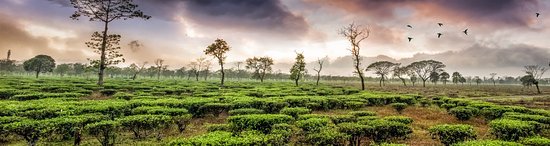
- Namchi and Temi Tea Garden: Temi’s rolling tea slopes provide a lovely contrast to flowering trees nearby; Namchi has cultural attractions and sunsets over the hills.
High elevations (2,000–4,000 m)
- Yuksom and Khecheopalri Lake: Gateway to classic treks and close to alpine rhododendron meadows. Khecheopalri, a sacred lake, is framed by tall flowering trees in spring.
- North Sikkim — Lachen, Lachung, Yumthang: Higher valleys such as Yumthang (often called ‘Valley of Flowers’ locally) explode with rhododendrons and alpine flora. Access depends on road conditions; spring often opens these valleys to visitors before the monsoon.
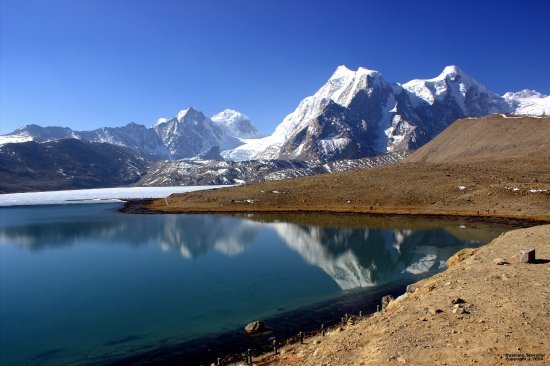
- Dzongri and Goechala trek routes: Trekking into the high ranges offers immersive rhododendron forests at mid-alpine altitudes, followed by stark glacial panoramas.
Top experiences not to miss
- Sunrise over Kanchenjunga: Spring mornings can be remarkably clear. Viewpoints such as Tiger Hill (in Darjeeling) and multiple points in East Sikkim offer spectacular dawn vistas of the Kanchenjunga massif.
- Rhododendron walks: Join guided forest walks in protected reserves or village trails. Local guides are invaluable for identifying species and explaining conservation.
- Photography and birdwatching: Spring is excellent for both; migratory birds begin to arrive and resident Himalayan species are active. Pack binoculars and a telephoto lens if you can.
- Village homestays: Stay with local families in places like Ravangla or villages near Yuksom to experience Sikkimese hospitality and home-cooked meals.
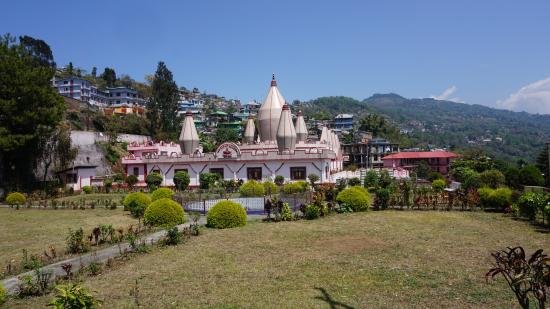
- Cultural stops: Monasteries, chortens and local festivals provide insight into Sikkim’s Buddhist and multi-ethnic traditions. Names include Pemayangtse, Rumtek and the smaller gompas scattered across the hills.
Sample 7-day spring itinerary
This sample assumes arrival via Bagdogra airport or New Jalpaiguri station with road transfers into Sikkim. Distances are hill-road based — journeys may take longer than expected, so travel light and keep buffer time.
Day 1: Arrival and Gangtok
- Drive to Gangtok. Check into your hotel, take a gentle walk on MG Road and visit nearby viewpoints for sunset.
Day 2: Gangtok — local sightseeing
- Visit Rumtek Monastery, Do Drul Chorten, and the Flower Exhibition Centre for a preview of local flora. Afternoon walk on ridge trails to view blossoming trees.
Day 3: Gangtok to Ravangla
- Drive through terraced hills, stop at Temi Tea Garden. Evening birdwatching and short village walks in Ravangla surrounded by rhododendron stands.
Day 4: Ravangla to Yuksom
- Head towards West Sikkim. Explore Khecheopalri Lake and nearby trails where rhododendrons frame the lake and hills.
Day 5: Yuksom to Pelling (or base for treks)
- Travel to Pelling for panoramas of Kanchenjunga. Alternatively, use Yuksom as a base for short treks into rhododendron forests.
Day 6: North Sikkim day trip or head towards Lachung
- If road conditions and permits allow, proceed towards Lachung or Yumthang to enjoy alpine blooms and high-altitude valleys. Note that travel into North Sikkim often needs early starts and road checks.
Day 7: Return to Gangtok and departure
- Leisurely return with stops en route. Final shopping in Gangtok before your onward journey.
Permits, timing and practicalities
Sikkim is a protected state with inner-line permits required for many areas, especially in North and West Sikkim. Travellers should:
- Apply for permits online or through their tour operator well in advance. Carry multiple ID copies and passport-size photos as some checkpoints still request them.
- Check road status: Himalayan roads can be affected by landslides or maintenance. Spring is generally stable, but weather can change and local authorities may close routes at short notice.
- Be flexible with itineraries: Good plans include buffer days for travel delays or acclimatisation.
Health, altitude and safety tips
- Acclimatisation: Altitude sickness can affect anyone. Ascend gradually, keep hydrated and avoid strenuous activity on the first day at higher elevations.
- Medical kit: Carry basic medications, oral rehydration salts, bandages and blister plasters. If you have chronic conditions, consult your physician before travel.
- Local emergency contacts: Note down local police and medical facility contacts for the area you visit. Remote regions may have limited services.
Packing checklist for spring in Sikkim
Layering is the key — daytime warmth can give way to chilly evenings, especially above 2,000 m.
- Layered clothing: lightweight base layers, fleece or wool mid-layer and a windproof jacket.
- Comfortable walking shoes with grip; a pair of light trekking shoes if you plan short hikes.
- Sun protection: hat, sunglasses and high-SPF sunscreen; the Himalayan sun is strong.
- Rain shell: while spring is mostly dry, sudden showers can occur and mountain weather changes quickly.
- Daypack, water bottle and snacks; binoculars and camera with spare batteries or powerbank.
Where to stay: styles and suggestions
Sikkim offers a range of accommodation — from comfortable hotels in Gangtok to homestays and eco-lodges in rural areas:
- Gangtok: Hotels and boutique stays with easy access to services and sightseeing.
- Ravangla and Pelling: Mid-range hotels, cottages and resorts with valley views; ideal for families.
- Yuksom, Lachung, Lachen: Simple guesthouses and homestays; excellent for immersive experiences and early starts for treks.
Responsible travel and conservation
Sikkim’s ecosystems and cultural landscapes are sensitive. Be a responsible traveller:
- Stick to designated trails to protect fragile alpine meadows and re-growing forest areas.
- Avoid picking flowers or removing plant material; many rhododendron species are protected locally.
- Use water and energy sparingly in mountain accommodations where resources are limited.
- Support local businesses: buy handicrafts, eat at local eateries and hire local guides.
Tip: Speak with local guides and forest staff about the best recent bloom spots — nature’s timing varies, and locals will often know where the display is strongest on any given day.
Festivals and cultural highlights in spring
Spring is a lively time culturally as well. Traditional Buddhist ceremonies, local fairs and Losar-related events may take place depending on the lunar calendar and local traditions. Attending a monastery prayer or a community celebration can add depth to your floral tour — just respect local customs and ask before photographing people.
Final thoughts
Sikkim in spring is a gentle, restorative experience: remote valleys bright with flowers, clear mountain panoramas and a chance to witness Himalayan biodiversity at its most vivid. Whether you seek short scenic walks, cultural immersion or more ambitious trekking, plan thoughtfully for permits, weather and altitude, and let the rhythm of the hills set your pace. When the rhododendrons are in bloom, Sikkim rewards travellers with unforgettable colour and calm.