Sikkim in September: Post-Monsoon Travel and Clearing Skies
September is an excellent month to visit Sikkim as the monsoon recedes and skies clear, revealing lush landscapes, flowing waterfalls and rewarding treks. Enjoy fewer crowds, vibrant valleys and crisp mountain views.
By TravMe Holidays travel team · · Updated · 6 min read
September marks the transition from monsoon to clear skies in Sikkim. The state emerges emerald-green after the rains: rivers swell and waterfalls roar, forests smell fresh and high passes begin to dry. For travellers who prefer verdant scenery, fewer crowds and comfortable temperatures before the peak season, September is a wonderful month to explore Sikkim’s valleys, monasteries and high-altitude lakes.
Why September is special in Sikkim
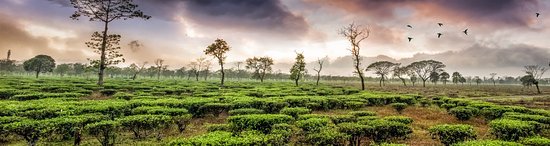
As the monsoon withdraws, the whole region experiences a renewal. The air is cleaner, visibility improves and the landscape is vibrant with post-monsoon growth. Temperatures are moderate at lower elevations while nights in the hills become noticeably cooler. This window offers a rare blend of dramatic scenery—nearly pristine rivers and waterfalls, lingering cloud plays and, increasingly, clear views of the Kanchenjunga range.
Weather and what to expect
- Lower elevations (Gangtok, Pelling, Namchi, Ravangla): Daytime temperatures are pleasant (mild to warm), with cool, comfortable evenings. Brief showers are possible early in the month.
- Mid to high elevations (Yuksom, Lachung, Lachen, Yumthang): Expect cool to cold mornings and evenings; daytime can be bright and crisp. Trails may still be muddy from monsoon runoff.
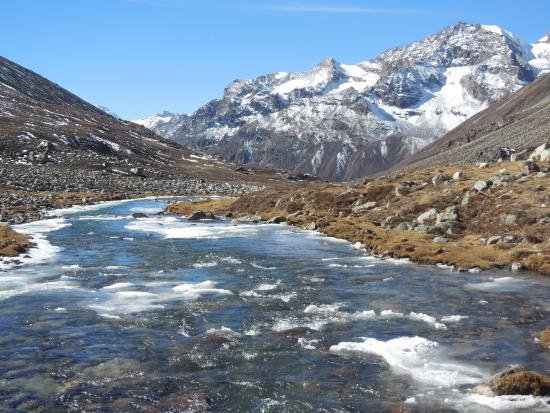
- High passes (Nathu La, Goecha La approach, Gurudongmar access roads): Conditions improve through September, but be prepared for chilly winds and sudden temperature drops.
Top places to visit in September
Whether you prefer culture, nature or trekking, Sikkim’s varied terrain offers something for every traveller in September.
Gangtok
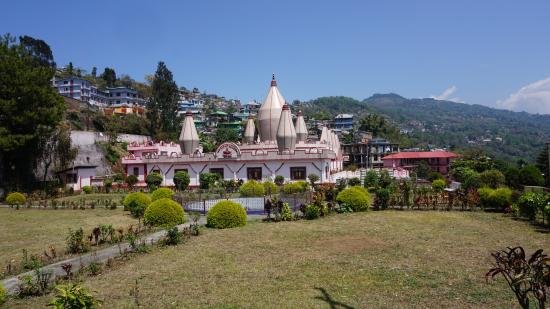
The state capital is a convenient base with good roads and services. Post-monsoon Gangtok is verdant, with clean mountain air and clear vantage points for sunrise views over the eastern Himalaya. Visit Enchey Monastery, Namgyal Institute of Tibetology, and take a short drive to Tsomgo Lake (permit required) if roads are open.
Pelling and the Khecheopalri area
Pelling rewards visitors with closer views of Kanchenjunga on clear days. The region’s monasteries, pine-clad ridgelines and the tranquil Khecheopalri Lake are particularly photogenic after the rains, when reflections are pronounced and the forests look newly washed.
Yuksom, Goecha La base and Geyzing
Yuksom is a gateway for treks into the Kanchenjunga Sanctuary. September is a good time to consider shorter treks or the initial stages of longer routes, with the ground firming up and fewer leeches than during heavy monsoon. Always check with local authorities and guides about trail conditions.
North Sikkim: Lachung, Lachen, Yumthang and Gurudongmar
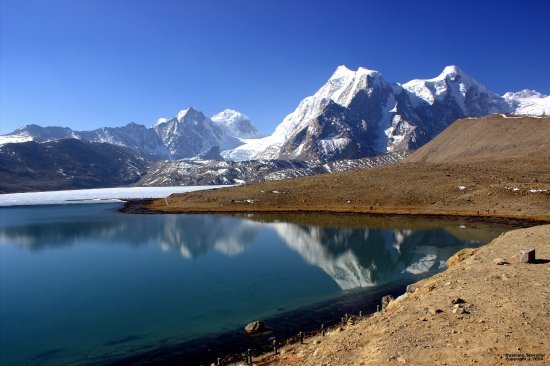
These high-altitude regions open up after the worst of the rains. Yumthang Valley is greener and spectacular in early autumn; Gurudongmar Lake, very high and cold, is usually accessible in this season but conditions change quickly—expect bright, chilly days and possible snow or frost at night.
Zuluk and the Old Silk Route
Zuluk offers a dramatic ride along historic switchbacks with sweeping mountain panoramas. Post-monsoon clarity enhances the vistas and the road surfaces improve, although local conditions can vary after monsoon damage.
Activities ideal for September
- Trekking: Short treks and lower sections of longer trails become more accessible. Popular choices include parts of the Goecha La approach, Dzongri meadows and day hikes around Pelling and Yuksom.
- Birdwatching and wildlife walks: The forests brim with activity—spot sunbirds, flycatchers and migratory species as the undergrowth recovers.
- Photography: Post-monsoon light, flowing rivers and cloud formations create excellent conditions for landscape and nature photography.
- Cultural visits: Monasteries and local markets are welcoming and less crowded. September is a good time to interact with locals and learn about Sikkimese-Bhutia-Nepali cultures.
Travel basics: permits, transport and connectivity
Permits and regulations
Sikkim requires permits for certain areas. Nationals of India usually need an Inner Line Permit (ILP) or Protected Area Permit (PAP) for restricted zones such as North Sikkim (Lachung, Lachen) and for visiting border areas like Nathu La. Foreign nationals need a Restricted Area Permit (RAP) for many parts of the state. Permits are generally straightforward to obtain through travel agents, hotels or online portals—carry multiple identification copies.
Getting there
The nearest major airport is Bagdogra (West Bengal), followed by a scenic road transfer to Gangtok (around 4–5 hours depending on traffic). New Jalpaiguri (NJP) railway station connects to major Indian cities; from there a road journey takes you into Sikkim. Internal connectivity is by shared taxis, private cars and local buses—book private transfers for comfort if you prefer.
Road conditions and safety
Although September sees improving roads as monsoon damage is repaired, landslips and narrow stretches remain possible, especially after heavy rains earlier in the month. Travel with experienced drivers, allow flexible schedules and avoid night driving on mountain roads. Always check local weather forecasts before venturing to high passes.
Packing list for September
- Layered clothing: lightweight thermals, fleece or sweater for evenings, a waterproof jacket for occasional showers.
- Sturdy walking shoes with a good grip; quick-dry socks and gaiters if you plan to trek.
- Sun protection: hat, sunglasses and sunscreen—sun can be strong at altitude.
- Basic first aid, altitude sickness medication if advised, and prescription medicines in original packaging.
- Power bank, torch and spare batteries—electricity can be intermittent in remote homestays.
- Copies of permits, ID proofs and emergency contact numbers stored both digitally and on paper.
Practical tips and responsible travel
- Acclimatisation: If you plan to visit high-altitude areas like Gurudongmar or the upper approaches to Goecha La, factor in acclimatisation days and avoid rapid ascent.
- Local guides: Hire local guides for treks and visits to protected areas. They know immediate weather patterns and trail conditions.
- Respect local customs: Monasteries and sacred sites expect modest dress and calm behaviour. Ask permission before photographing people in private settings.
- Waste management: Carry a small bag for non-biodegradable waste and avoid single-use plastics in sensitive highland areas.
Tip: Start your day early for the best mountain vistas; post-monsoon mornings often offer the clearest light and most stable weather.
Suggested 6–7 day itinerary
- Day 1: Arrive Bagdogra/NJP — drive to Gangtok, relax and explore MG Marg in the evening.
- Day 2: Gangtok local sightseeing — Enchey Monastery, Namgyal Institute, evening at Tashi Viewpoint.
- Day 3: Drive to Pelling — visit Rimbi Waterfalls en route, enjoy views of Kanchenjunga.
- Day 4: Pelling local sights — Pemayangtse Monastery, Khecheopalri Lake, kawaking trails.
- Day 5: Drive to Yuksom or Bakthang — short treks and village walks; prepare for higher altitudes.
- Day 6: Optional: Head towards Lachung/Lachen if permits and road conditions allow, or enjoy more local hikes and cultural experiences.
- Day 7: Return to Gangtok and onward travel to Bagdogra/NJP.
Adjust the route depending on permits, road conditions and personal fitness—Sikkim rewards slower travel that allows time to savour the landscapes.
Health, emergencies and local services
Medical facilities are concentrated in Gangtok and a few district towns; remote clinics exist but are basic. Carry a well-stocked first-aid kit and emergency medicines. Mobile connectivity varies; BSNL and other providers have patchy coverage in higher regions. Share your itinerary with family and your guesthouse/hotel, and keep local emergency numbers handy.
When to avoid travelling
Late monsoon (July–August) sees frequent landslides and slipperiness; heavy rains can close passes. If unusually heavy rains occur in September, some routes may still be affected. Check local advisories and consider postponing high-altitude plans during active weather systems.
Conclusion
September in Sikkim is a transitional, often rewarding month: landscapes are refreshed, visitor numbers are moderate and the climate is comfortable for most travellers. With careful planning—permits arranged, flexible itineraries and respect for local conditions—you can enjoy dramatic waterfalls, crisp mountain vistas and immersive cultural experiences. Pack smart, allow time for acclimatisation and opt for local guides to make the most of Sikkim’s post-monsoon magic.