Sikkim in October: Festive Season, Clear Views and Crisp Weather
October is one of the best months to visit Sikkim: crisp weather, clear views of Kanchenjunga, and vibrant festivals such as Dashain. This guide covers weather, festivals, travel tips, itineraries and practical advice for an autumn trip.
By TravMe Holidays travel team · · Updated · 6 min read
October in Sikkim is a traveller’s delight: summer humidity has gone, monsoon clouds have cleared, and the air is crisp with excellent visibility. The month brings a festive energy as communities celebrate harvest and religious traditions, while high-altitude treks and scenic drives reveal spectacular views of the Himalaya. Whether you seek culture, photography, or outdoor adventure, October offers a near-perfect window to explore Sikkim.
Why October is special in Sikkim
October sits between the monsoon retreat and the onset of winter. The result is stable weather, low precipitation and brilliant blue skies that frame snow-capped peaks such as Kanchenjunga. Cooler daytime temperatures make sightseeing and trekking comfortable, while nights turn crisp, especially at higher altitudes. Culturally, the month overlaps with important festivals celebrated across Sikkim’s Nepali, Bhutia and Lepcha communities, giving visitors a chance to experience local life and rituals.
Weather and what to expect
Understanding the climate will help you pack and plan activities:
- Temperature: Daytime temperatures in lower elevations (Gangtok, Namchi) typically range from pleasant to mildly cool. Hill stations and high passes can be significantly colder, especially after sunset.
- Visibility: Excellent — this is one of the clearest months for mountain vistas. Early mornings and late afternoons often provide the best light for photography.
- Precipitation: Minimal compared to monsoon months. Occasional light drizzles can happen, but sustained rain is uncommon.
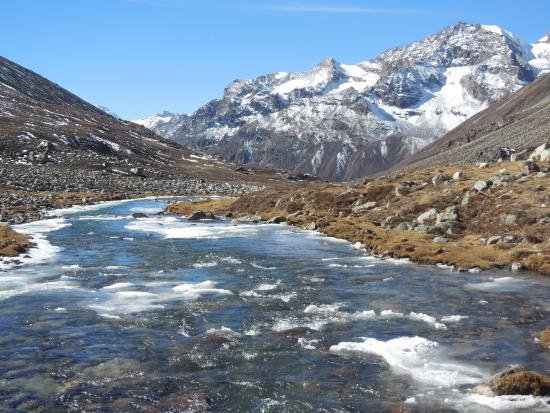
- Snow: Higher passes and peaks might see fresh snow towards the end of October or with early cold fronts — always check local reports if you plan to visit places above 4,000 m.
Festivals and cultural highlights
October is a festive month in Sikkim. The most visible celebrations reflect the state’s diverse communities:
- Dashain (Dussehra): A major festival for the Nepali community, Dashain involves family gatherings, feasts, and public rituals. Villages and towns often host communal ceremonies and vibrant markets.
- Tihar and Diwali (when they fall in October): Depending on the lunar calendar, some lights and rangoli celebrations may appear towards the end of the month. Expect decorative lights and a joyous atmosphere where celebrated.
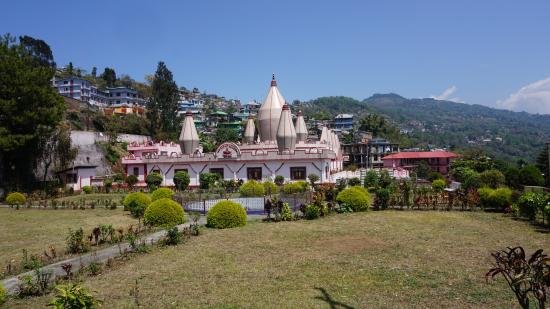
- Buddhist observances: Monasteries across the state — from Rumtek to Pemayangtse — hold prayer sessions and may host smaller community events. Visitors are generally welcome to observe; respectful behaviour and modest dress are expected.
Where to experience local culture
- Gangtok: The capital has a mix of markets, monastery visits and cultural events, and is a convenient base for short excursions.
- Yuksom and Pelling: Offer traditional villages and monasteries with authentic cultural experiences and calmer festival observances.
- Rural villages: If your schedule permits, plan a short homestay to see local harvest customs and household festivities.
Top activities in October
From gentle leisure to serious trekking, October supports a wide range of activities:
- Short walks and sightseeing: Explore Gangtok’s ridge, Enchey Monastery, Rumtek and the Namgyal Institute for Tibetology under pleasant conditions.
- Trekking: Classic treks such as Goecha La and Dzongri are popular in autumn because of stable weather and clear mountain views. Lower-altitude treks and day hikes are also excellent for acclimatisation and scenery.
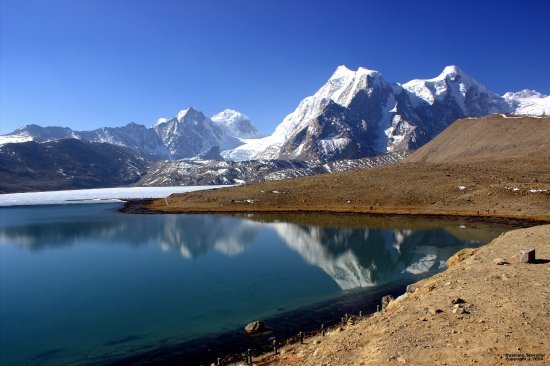
- High-altitude drives: Routes to Gurudongmar Lake, Chopta Valley and Nathula (for permitted visitors) present dramatic landscapes. Note that some of these areas require permits.
- Birdwatching and photography: Clear skies and migrating species make October great for nature photography. Low light in early morning and late afternoon produces superb colours on the peaks.
Practicalities: travel, permits and health
Before you go, take care of these essentials:
- How to reach Sikkim: The nearest airport is Bagdogra (West Bengal); from there, road transfer to Gangtok or other parts of Sikkim is common. New Jalpaiguri (NJP) is the nearest major railway station with frequent road connections to Sikkim.
- Permits: Indians do not require an Inner Line Permit for most parts of Sikkim, but foreign nationals must obtain an Inner Line Permit (ILP) or restricted area permit. Some border routes and specific sites such as Nathula require additional permits and sometimes escorted entry. Always check the latest rules with authorised authorities or your tour operator.
- Altitude and acclimatisation: Some sightseeing and drives reach elevations above 3,000–5,000 m. Allow time to acclimatise, stay hydrated, avoid heavy exertion in the first 24–48 hours at altitude, and be aware of acute mountain sickness symptoms. If you plan serious trekking, build in acclimatisation days and consult a doctor if you have pre-existing health issues.
- Connectivity and services: Mobile networks and internet are generally available in major towns but can be patchy in remote valleys and high passes. Cash is useful in smaller villages and markets; ATMs exist in towns but may be limited beyond the main centres.
Packing checklist for October
Pack layers so you can adjust to changing temperatures during day and night:
- Warm jacket (down or insulated), fleece layers and thermal innerwear
- Comfortable walking shoes or trekking boots with good grip
- Light rain jacket or windcheater (for unexpected showers or wind)
- Hat, gloves and warm socks for evenings and high-altitude trips
- Sunscreen, sunglasses and lip balm (UV is strong at altitude)
- Basic first-aid kit, altitude medication if prescribed, and rehydration salts
- Camera with spare batteries (cold reduces battery life) and memory cards
Sample 7-day itinerary for October
This balanced itinerary mixes culture, short treks and scenic drives — adaptable based on arrival point and interests.
- Day 1 — Arrival and acclimatisation: Arrive via Bagdogra/NJP, transfer to Gangtok, relax and take a short walk on MG Marg in the evening.
- Day 2 — Gangtok sightseeing: Visit Rumtek Monastery, Enchey Monastery, and the Namgyal Institute. Evening at leisure to explore the local market.
- Day 3 — Tsomgo Lake/Nathula (optional): Drive to Tsomgo (Changu) Lake and, if permits allow, Nathula Pass. Alternatively, visit the Baba Mandir and nearby viewpoints.
- Day 4 — Transfer to Pelling/Yuksom: Scenic drive with photo stops. Visit Pemayangtse Monastery near Pelling in the late afternoon.
- Day 5 — Local explorations or short trek: Explore Pelling viewpoints, Khecheopalri Lake, or take a day trek in the surrounding hills.
- Day 6 — Goecha La approach/Dzongri option: For trekkers, begin the Goecha La or Dzongri trek (if you have permits and time). Otherwise, enjoy village walks and local culture.
- Day 7 — Return and departure: Transfer back to Bagdogra/NJP for onward travel, or extend your stay to include northern Sikkim (Lachung/Lachen) if time permits.
Safety and responsible travel
Respect the environment and local customs:
- Carry reusable water bottles and avoid single-use plastics where possible.
- Seek permission before photographing people or religious ceremonies.
- Use designated trails while trekking; follow local guide instructions in sensitive habitats.
- Support local businesses — buy handicrafts, stay in homestays and eat at local eateries to contribute to community incomes.
Tip: Start early for mountain sunrise viewpoints — mornings are usually the clearest, offering the best chance to see Kanchenjunga in all its glory.
Best time windows within October
Early October tends to be warmer and slightly busier as monsoon clears; mid to late October brings colder nights and a sharper autumn feel. If your priority is clear mountain photography and trekking, aim for mid-October when post-monsoon stability is established. For a more immersive festival experience, align your trip with local festival dates — check a local calendar before booking.
Final tips for planning
- Book accommodations early if you plan travel around major festivals, as small towns can fill up quickly.
- Choose an experienced driver for mountainous roads; local drivers know the routes and weather patterns best.
- Check local permit requirements well before travel, especially for foreign nationals and high-altitude border areas.
October presents Sikkim at its most photogenic and culturally lively. With careful packing, awareness of altitude, and respect for local customs, you can experience crisp mountain air, clear vistas, and heartfelt festival hospitality. Whether it’s the thrill of a Himalayan trek or the warmth of a village celebration, Sikkim in October rewards travellers with memories that last long after the journey ends.