Sikkim in Monsoon: Is It Safe and Worth Visiting?
Monsoon in Sikkim brings emerald valleys, dramatic waterfalls and fewer crowds. This guide covers safety, practical tips, best places to visit, transport, permits and how to make the most of a rainy-season trip.
By TravMe Holidays travel team · · Updated · 6 min read
Monsoon transforms Sikkim into a lush, mist-wrapped paradise: waterfalls swell, rhododendrons glisten and forests smell of fresh earth. Yet heavy rain, landslide risk and road disruptions make travellers wonder whether a monsoon visit is sensible. This guide takes you through safety considerations, the best monsoon experiences, practical planning, health advice and sustainable-travel tips to help you decide and plan a memorable trip.
What happens to Sikkim during the monsoon?
The monsoon season in Sikkim typically spans June to September. Temperatures are pleasantly cool in higher reaches and humid in the lower valleys. Rainfall is frequent and sometimes heavy, replenishing rivers and creating spectacular waterfalls and swollen streams. The landscape turns intensely green, with terraced fields, forests and orchids at their peak.
Visibility can vary—clear mornings often give way to cloud and drizzle by afternoon. While the rains enhance natural beauty, they also cause challenges like trail slipperiness, landslides and occasional road closures. Understanding these trade-offs helps you make an informed decision.
Is it safe to visit Sikkim in monsoon?
Safety depends on where you go, how long you stay and how well you plan. In general:
- Lower and mid-elevation areas such as Gangtok, Namchi and Pelling are generally accessible and safe with normal precautions.
- High-altitude passes and remote villages (for example, routes towards North Sikkim) may be inaccessible or risky due to landslides and river crossings.
- Trekking is not recommended on exposed or high trails during heavy monsoon; many trek routes are slippery and prone to rockfall.
Follow these safety practices:
- Track weather forecasts and local advisories daily.
- Allow flexibility in your itinerary for delays or rerouting.
- Use experienced local drivers who know monsoon driving techniques and alternate routes.
- Avoid travelling at night on mountain roads during heavy rain.
- Carry basic first-aid, waterproof gear and sufficient cash in case ATMs are unavailable.
Best places to visit in monsoon
Monsoon brings out the best of Sikkim's natural attractions. Here are destinations that work particularly well during the rainy season.
Gangtok — vibrant base with easy excursions
As the state capital, Gangtok offers comfortable hotels, restaurants and quick access to nearby attractions. Monsoon mists add romantic charm to MG Road, Rumtek Monastery and nearby viewpoints. Short excursions like Tsomgo Lake might be affected by rain, but the city itself remains a practical base.
Pelling — dramatic mountain panoramas and waterfalls
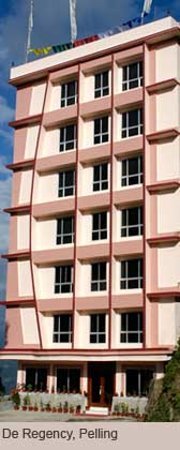
Pelling’s views of Kanchenjunga are often dramatic in clear spells and hillsides are a vibrant green during rain. The waterfalls around Rimbi and Kanchenjunga National Park become spectacular. Do check road conditions before driving; some viewpoints may be cloud-shrouded, but the ambience is beautiful.
Namchi & Temi Tea Garden — rolling tea gardens and culture
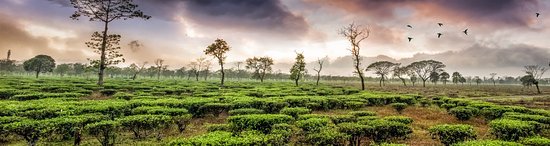
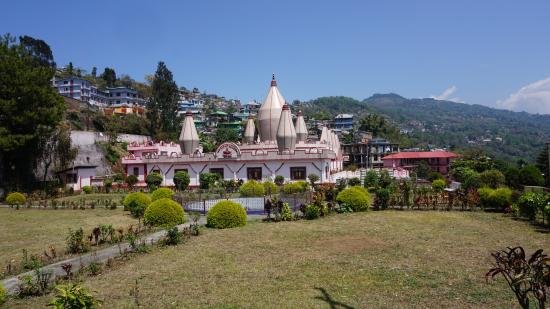
Tea gardens take on an emerald sheen in the monsoon. Namchi’s cultural sites, large statues and nearby viewpoints remain accessible and are less crowded than in peak season. The Temi Tea Garden is an excellent place for slow walks (with rainwear) and photography.
North Sikkim — selective visits only
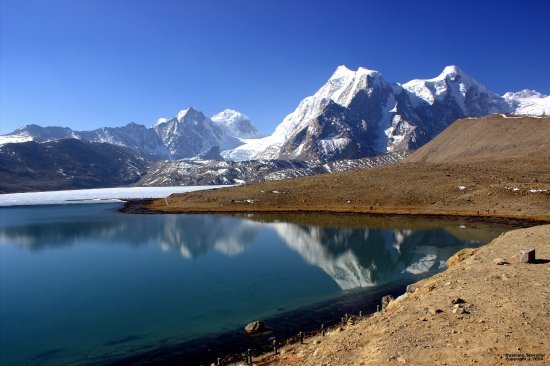
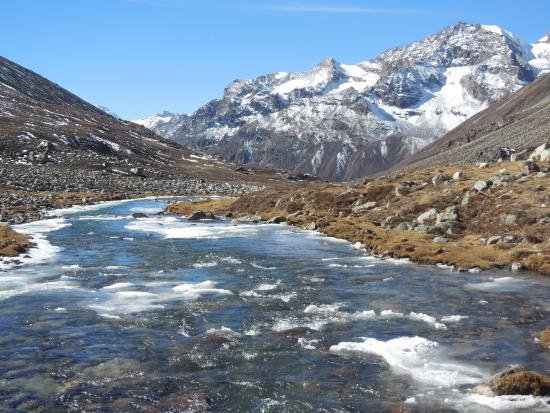
North Sikkim (Lachung, Yumthang, Lachen) is spectacular but often disrupted by heavy rains and landslides. Many roads and mountain passes may be closed; permits and tour operators will advise if travel is safe. Only attempt North Sikkim travel with confirmed road access, a local guide and flexible plans.
Activities to enjoy in the monsoon
- Waterfall chasing: Rain-fed cascades are at their fullest. Visit Phodong, Rimbi and smaller hidden falls en route to hill stations.
- Tea garden walks: Soft drizzle and fresh leaves make tea walks restorative and photogenic.
- Birdwatching and orchids: The forests come alive with migratory and resident birds; orchids and rhododendrons can be abundant in the right pockets.
- Photography: Moody clouds, misty valleys and saturated colours are excellent for dramatic landscape photography. Use lens protection and a rain cover.
- Culture and cuisine: Spend rainy afternoons exploring monasteries, local markets and trying Sikkimese specialities like momos, thukpa and hearty stews.
Permits and paperwork during monsoon
Permits board the practical side of planning. Sikkim requires permits for certain areas:
- Indian nationals may need inner-line permits for restricted areas; check local requirements as some zones routinely require registration.
- Foreign nationals typically require a Protected Area Permit (PAP) or restricted-area clearance for many parts of Sikkim. These must be arranged in advance through authorised agents or government counters.
- During monsoon, permit offices and transport schedules might face disruptions; confirm validity, rules and any recent changes with your travel agent or local authorities before departure.
Transport and road conditions
Road travel is the most common way to get around Sikkim, but monsoon makes mountain roads more challenging. Key points:
- Expect slower travel times; allow buffer days for connections and flights into Bagdogra or NJP (New Jalpaiguri).
- Private taxis and shared cabs operate commonly; choose drivers experienced in monsoon conditions.
- Roads can close temporarily after heavy downpours; landslides and treefalls are possible. Check with local authorities or hotel staff for real-time updates.
- Flights to nearby airports can be delayed due to low visibility. Keep flexible plans and avoid tight international connection windows right after arrival.
Packing list for a monsoon trip to Sikkim
Packing smart makes your trip comfortable and safer:
- Waterproof jacket and quick-dry clothing
- Good non-slip trekking shoes and extra socks
- Light rain poncho or foldable umbrella
- Waterproof covers for backpacks and camera gear
- Basic first-aid kit, antiseptic and rehydration salts
- Insect repellent and water purification tablets
- Power bank and waterproof pouches for electronics
- Copies of permits, ID and emergency contact numbers
Health and hygiene tips
Monsoon increases risk of water-borne illness and infections from insect bites. Follow these guidelines:
- Drink only boiled or bottled water; avoid street ice in hot spots.
- Wash hands frequently and carry hand sanitiser.
- Use mosquito repellent and a mosquito net if staying in simpler accommodations.
- If you have pre-existing health conditions, carry medicines and a copy of prescriptions. Know the nearest medical facility from your base.
Responsible travel and local communities
Monsoon is a sensitive time for mountain ecology. Respect local advice and follow low-impact practices:
- Stick to marked trails; avoid fragile slopes and vegetation.
- Do not disturb wildlife or remove plant material.
- Use local guides and services to support communities financially affected by off-season travel.
- Dispose of waste responsibly; carry a small reusable bag for plastics and wrappers.
Tip: Booking locally can often secure more flexible cancellation terms and real-time advice on road and weather conditions.
Sample flexible 5-day monsoon itinerary
- Day 1 — Arrival in Gangtok: Settle in, explore MG Road and visit nearby viewpoints if weather allows.
- Day 2 — Gangtok local sights: Rumtek Monastery, Do Drul Chorten and Tashi Viewpoint; keep midday open for rain.
- Day 3 — Transfer to Pelling: Scenic drive, visit Pemayangtse Monastery and local waterfall stops en route.
- Day 4 — Pelling & surroundings: Short nature walks, visit Rabdentse ruins and tea gardens, or relax at a viewpoint depending on visibility.
- Day 5 — Return towards Siliguri/NJP for onward travel: Plan a buffer day in case of delays.
This itinerary keeps distances manageable and allows alternate plans when weather changes.
Final decision: is it worth visiting?
Yes, if you appreciate lush landscapes, fewer crowds and immersive natural beauty—and if you accept a flexible, cautious approach. Monsoon in Sikkim rewards travellers with intimate experiences of waterfalls, tea gardens and misty mountain moods that peak-season travellers miss. However, if you require rigid schedules, extensive high-altitude trekking or guaranteed views of Kanchenjunga, the post-monsoon (autumn) and spring seasons may suit you better.
With sensible planning—monitoring weather, allowing extra travel time, using local expertise and following safety and hygiene measures—monsoon can be a safe and deeply rewarding time to explore Sikkim’s emerald heart.
Ready to plan your monsoon escape? Consult local operators for up-to-date road and permit information, pack smart and let the rain reveal Sikkim’s softer, greener side.