Sikkim in March: Early Spring Blooms and Pleasant Days
Discover Sikkim in March: mild days, early spring blooms and accessible high-altitude valleys. Practical tips on itineraries, weather, permits, festivals and what to pack for a perfect spring visit.
By TravMe Holidays travel team · · Updated · 6 min read
March is a delightful month to visit Sikkim. As winter recedes and the high valleys begin to wake, the state offers clear mountain views, pleasant daytime temperatures and the first bursts of rhododendrons and magnolias. Whether you want gentle walks around Gangtok, dramatic mountain vistas in North Sikkim or quiet monasteries steeped in prayer flags, March balances accessibility with scenery that is both tranquil and vividly colourful.
Why March is a great time to visit
March sits on the cusp between late winter and early spring. Lower elevations—Gangtok, Pelling and Namchi—enjoy mild, sunny days and cool nights, making sightseeing comfortable. Higher reaches such as Lachung, Yumthang Valley and Gurudongmar start to thaw; snow still lingers on higher passes, so the dramatic contrast of snow-capped peaks against budding valleys is at its best.
Benefits of travelling in March:
- Pleasant daytime temperatures for sightseeing and short treks.
- Fewer crowds compared with peak summer and autumn months.
- Early spring blossoms—rhododendrons, magnolias and wild primulas—begin to appear in higher altitudes.
- Generally clearer skies after winter clouds, offering excellent mountain visibility.
Weather and what to expect
Expect a wide range of conditions depending on elevation. Typical patterns include:
- Gangtok, Pelling, Namchi (1,200–1,800 m): Daytime temperatures typically cool to mild (pleasant in sun), nights can be chilly. Light jackets and layers work well.
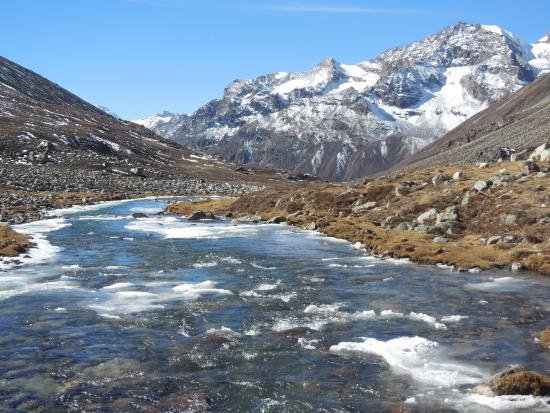
- Lachung, Yumthang, North Sikkim (2,500–5,000 m): Still wintry in March at higher altitudes. Snow may persist, blue skies often accompany cold, sharp air. Heavy jackets, thermals and good boots are essential.
- Rain: March has lower rainfall than the monsoon months, but occasional showers or snowfall at higher elevations are possible. Roads may be slippery in some sections.
Top places to visit in March
Gangtok
Sikkim's capital is a convenient base for acclimatisation, local shopping and temple visits. Walk the MG Road in the evenings, visit the Enchey Monastery and take short drives to viewpoints such as Tashi Viewpoint for sunrise vistas of Kanchenjunga.
Lachung and Yumthang Valley
Yumthang—often called the Valley of Flowers—begins to show early blooms in March. Snow may still carpet parts of the valley, mixing with emerging patches of wildflowers. The drive itself, through dramatic gorges and forested slopes, is part of the appeal.
North Sikkim: Gurudongmar Lake
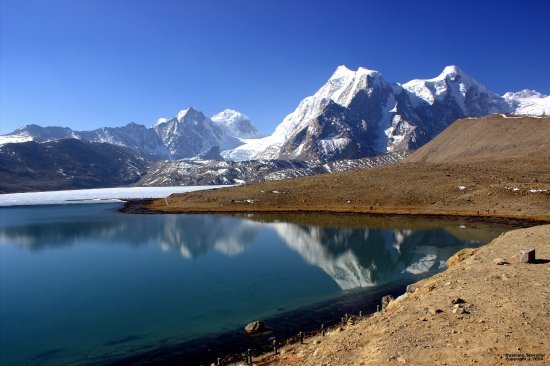
Gurudongmar is a high-altitude gem. Many travellers attempt the trip from Lachen; be aware that road and weather conditions dictate access. Spectacular turquoise water set against stark peaks makes for unforgettable photography, but be prepared for cold and altitude effects.
Pelling and Pemayangtse
Pelling offers terrific views of Kanchenjunga on clear days, along with access to the centuries-old Pemayangtse Monastery. The surrounding forests may show early rhododendron buds and magnolia blooms.
Yuksom and trekking routes
As the gateway to famous treks, Yuksom provides shorter, manageable walks and the possibility to begin multi-day treks as trails open up. March is a good month for lower-altitude treks and for planning ahead for longer summer treks.
Festivals and cultural experiences in March
March typically brings the pan-Indian festival of Holi, celebrated with enthusiasm in towns and villages—expect music, colours and community gatherings. Several Buddhist festivals follow lunar calendars and dates may vary; small monastery observances and local ceremonies offer authentic cultural glimpses. Check local event calendars and ask hosts or guides for any community events during your stay.
Practicalities: permits, transport and safety
Permits
Rules for entry vary by nationality and specific regions within Sikkim:
- Indian citizens generally need to carry government ID and may require specific permits to enter restricted border areas in North Sikkim—seek updated information before travel.
- Foreign nationals typically require Protected Area Permits (PAP) for many parts of Sikkim; these are issued via the Sikkim Tourism Department or through registered tour operators. Make arrangements well in advance for travel to North Sikkim and border areas.
Getting around
Road travel is the primary way to move between towns. State-run and private taxis, shared jeeps and tour vehicles are common. Expect winding mountain roads and variable surface quality; journeys may take longer than map distances suggest. Fly into Bagdogra (Siliguri) then drive to Gangtok, or travel by train to New Jalpaiguri (NJP) and proceed by road.
Altitude and health
High-altitude areas such as Gurudongmar and parts of North Sikkim sit above 4,000 metres. Allow time to acclimatise—spend a day or two in Gangtok or Lachung before pushing higher. Stay hydrated, avoid alcohol, and monitor for symptoms of altitude sickness (headache, nausea, dizziness). Consult your doctor about medication if you have concerns, and always follow local guides' advice.
Suggested 7–9 day itinerary
- Day 1: Arrive Bagdogra/NJP and drive to Gangtok. Evening: MG Road stroll and acclimatisation.
- Day 2: Local sightseeing—Enchey Monastery, Rumtek (if open), Tashi Viewpoint and Handicraft Centre.
- Day 3: Drive to North Sikkim base (Lachung or Lachen depending on plan). Short walks and acclimatisation.
- Day 4: Yumthang Valley (Lachung side) or Gurudongmar (Lachen side) as weather and permits allow. Return to base.
- Day 5: Return to Gangtok; en route visit local villages and viewpoints.
- Day 6: Drive to Pelling—visit Pemayangtse Monastery and viewpoints at sunset for Kanchenjunga views.
- Day 7: Explore Pelling surroundings or take a day trip to Yuksom for short treks.
- Day 8–9: Return to Gangtok and back to NJP/Bagdogra for departure.
Adjust the plan according to permit approvals and road conditions. If you have limited time, focus on Gangtok–Pelling for easier travel and still stunning scenery.
What to pack
- Layered clothing: base layers, warm mid-layer, windproof outer shell.
- Warm jacket, gloves, hat and thermal socks for high-altitude excursions.
- Good walking shoes or lightweight trekking boots with grip.
- Sunscreen, sunglasses and a hat—UV can be strong at altitude.
- Basic first-aid, altitude sickness medication if prescribed, water purification tablets if you prefer.
- Photographic gear, power banks and chargers—the scenery is worth capturing.
Local food and drink
Sikkimese cuisine is a warm, comforting mix of Nepali, Tibetan and indigenous flavours. Try popular dishes such as:
- Momos and thukpa—perfect after a chilly day.
- Gundruk (fermented leafy greens) and local pickles.
- Barley or buckwheat preparations in higher reaches.
Small eateries offer hearty meals; in remote areas, food options can be basic, so carry snacks for long drives and day trips.
Responsible travel tips
- Respect local customs—ask before photographing people, especially in religious settings.
- Stick to marked trails and avoid disturbing fragile alpine flora; early spring shows delicate wildflowers that need protection.
- Carry plastic back with you and dispose of waste responsibly; many mountain areas struggle with litter management.
- Support local businesses—buy handicrafts from local cooperatives and eat in small family-run eateries.
Tip: Plan conservatively. Mountain weather and permits can change rapidly—build flexibility into your itinerary so you can savour Sikkim without rushing.
Final thoughts
Sikkim in March offers a gentle, colourful welcome to spring. With clear skies and evolving landscapes—from snow-lined passes to nascent flower carpets—this is a wonderful time for peaceful sightseeing, photography and short treks. Prepare for altitude and variable conditions, secure any necessary permits in advance, and travel with respect for local communities and fragile mountain ecosystems. Whether you seek monastery calm, spirited local festivals or dramatic Himalayan panoramas, March in Sikkim delivers an experience that is refreshing, scenic and authentically Himalayan.