Sikkim in June: Monsoon Arrives, What It Means for Your Trip
June marks the start of the monsoon in Sikkim — expect lush landscapes, lower tourist crowds and some travel limitations. This guide explains weather, where to go, safety tips, packing and smart itineraries for a rainy-season visit.
By TravMe Holidays travel team · · Updated · 7 min read
June in Sikkim is when the mountains start to don their monsoon green. Rain becomes a frequent companion, waterfalls swell, tea gardens glisten and cloudbanks shuffle through the valleys. For travellers who love vivid landscapes and quieter attractions, monsoon can be a delightful time to visit — provided you plan with caution and flexibility.
What the monsoon looks like in Sikkim
Sikkim experiences the south-west monsoon from June through September. In June, the rains usually build up from intermittent showers to more regular downpours toward the latter half of the month. Temperatures remain pleasant in lower and mid-altitude areas, while higher reaches can be chilly and wet.
Key patterns to expect:
- Frequent afternoon and evening showers, with occasional heavy spells.
- Lower cloud base and misty conditions that can obscure high mountain views.
- Rising humidity in valleys and towns such as Gangtok and Pelling.
- Increased risk of landslides on mountain roads after heavy rain.
Is June a good time to visit?
Short answer: yes, if you embrace the wet weather and adapt your plans. June offers unique benefits and some constraints:
- Pros: Lush landscapes, abundant waterfalls, fewer tourists, lower room rates and great opportunities for nature, birding and photography of cloudscapes.
- Cons: Restricted access to high-altitude destinations (North Sikkim areas may be closed), unpredictable road conditions and a higher chance of travel delays due to landslides.
If your priority is trekking long high-altitude trails or guaranteed views of Mount Kanchenjunga, the monsoon is not ideal. But if you prefer leisurely sightseeing, cultural experiences, short walks and the romance of rain-washed hills, June can be very rewarding.
Where to go in June: best places and alternatives
Plan your itinerary around lower- and mid-altitude destinations that are accessible even in wet weather, while keeping contingency days for road disruptions.
Gangtok (1,650 m)
The state capital is the most practical base during the monsoon. Gangtok has urban amenities, cafes, museums and easy day-trip options. Explore the MG Marg, Enchey Monastery, Rumtek (check opening status) and local markets. Cultural venues and indoor attractions make Gangtok a good rainy-day fallback.
Pelling (2,150 m)
Pelling’s views of Kanchenjunga can be hit-or-miss in June, but the surrounding forests, waterfalls and the Pemayangtse monastery look spectacular after rain. Short walks to Khecheopalri Lake and nearby viewpoints are usually accessible.
Ravangla and Namchi (1,500–1,800 m)
These quieter mid-hill destinations offer pleasant weather and scenic drives. Ravangla is a good spot for nature walks and birding, while Namchi has cultural attractions and expansive views when the skies clear.
Lower elevations: Temi Tea Garden and Hee Bermiok
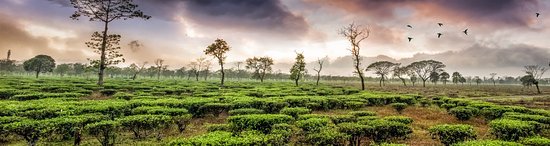
Visit Temi Tea Garden near Namchi for tea estate walks and tasting sessions. Lower elevations are warmer but generally more accessible during rains and give a different flavour of Sikkim’s landscape.
North Sikkim: caution advised
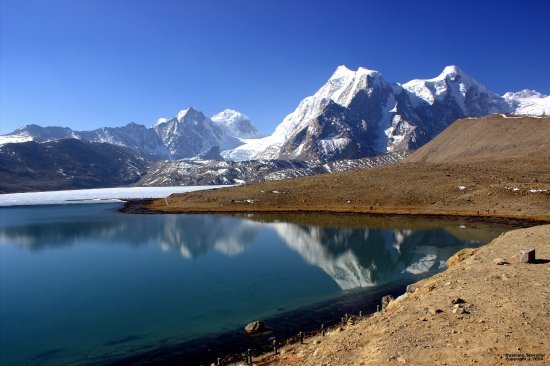
Areas like Lachen, Lachung, Gurudongmar and Zero Point are often affected by heavy monsoon precipitation and road closures. Many of the high-altitude roads and passes can be closed for safety or require special permissions that are hard to secure during heavy rains. If North Sikkim is essential to your trip, check with local authorities and your travel operator prior to travel and build in flexible days.
Monsoon-friendly itinerary ideas
Here are two sample itineraries — one short and one slightly longer — designed to give the best experience in June without overexposing you to road risks.
4-day relaxed circuit (best for first-time visitors)
- Day 1: Arrive Gangtok, settle in, explore MG Marg and local market.
- Day 2: Gangtok sightseeing — Rumtek/Enchey/Do Drul Chorten and an evening tea at a cafe.
- Day 3: Day trip to Tsomgo Lake / Baba Mandir or alternatively a drive to Namchi and Temi Tea Garden.
- Day 4: Depart for onward journey or add a day in Pelling if roads are clear.
7-day nature and culture loop
- Day 1–2: Gangtok base — city sights and nearby short walks.
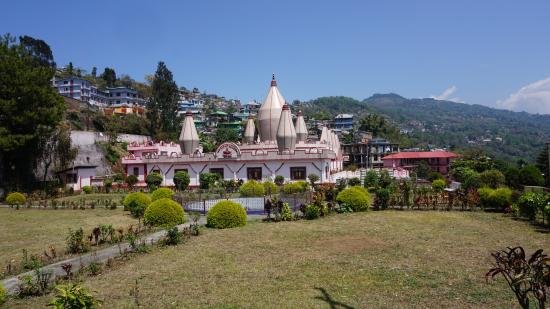
- Day 3: Drive to Namchi, visit Char Dham and Temi Tea Garden.
- Day 4: Ravangla day — Buddha Park, nature trails and birding.
- Day 5: Pelling — Pemayangtse and local attractions.
- Day 6: Explore nearby waterfalls and Khecheopalri Lake.
- Day 7: Return to Gangtok for departure.
Packing list: what to carry for monsoon in Sikkim
Pack smart to stay comfortable and safe in wet, cool conditions.
- Lightweight waterproof jacket with a hood and breathable layers underneath.
- Quick-dry clothing and moisture-wicking inner layers.
- Waterproof hiking shoes or good grip sneakers; avoid slick soles.
- Packable umbrella and a waterproof daypack cover or dry bag for electronics.
- Extra socks, a warm fleece or down jacket for mornings and higher elevations.
- Basic first-aid, medicines for travel sickness, antihistamines and insect repellent.
- Water purification tablets or a filtration bottle for remote outings.
- Power banks and waterproof cases for phones and cameras.
Travel safety and health tips
Monsoon terrain can be challenging. A few precautions will keep your trip smooth:
- Allow extra travel time between towns — road speeds are slower and diversions are possible.
- Check local weather and road conditions daily; hotels and drivers usually have the latest updates.
- Prefer day travel: many roads become risky at night due to poor visibility and narrow mountain stretches.
- Stay hydrated and be mindful of food hygiene; avoid unpeeled street fruit if you have a sensitive stomach.
- Buy a local SIM or ensure you have emergency contacts; some remote areas can have patchy coverage.
- Take travel insurance that covers trip delays, medical evacuation and landslide-related issues.
Transport and driving considerations
Hiring a local driver is the recommended option for most travellers. Experienced drivers know which routes are safer during the monsoon and can navigate sudden diversions.
- If you self-drive, choose a vehicle with good ground clearance and avoid narrow mountain shortcuts.
- Watch for road signage and the advice of locals — sometimes a longer route is the safer option.
- Carry some cash for small purchases; ATMs can be scarce in smaller towns.
Photography and nature experiences
June brings intense colours and dramatic skies. Photographers will love the vibrant greens, waterfalls and low-lying clouds that make for atmospheric shots. Tips:
- Use a rain cover for camera gear and pack lens cloths for frequent wiping.
- Seek out rivers and waterfalls after rain — the volume and force increase, creating dynamic images.
- Early mornings can give clear views before clouds build; keep flexible plans for sunrise opportunities.
- Birdwatchers can enjoy jungle species in lower elevations and mid-hill forests; carry binoculars and a waterproof field guide.
Local culture, food and festivals
Sikkimese hospitality shines in monsoon season. Enjoy warm, comforting local dishes such as thukpa, momos and stews that are perfect after a rainy day. Monsoon months sometimes host local religious observances and community events — check with your hotel or local tourism office to time visits with smaller festivals or mask dances that may be taking place.
Tip: Engage local guides for cultural walks in villages. They add context to monasteries, traditional homes and agricultural life, which remain accessible and lively in June.
Permits and entry rules
Permit rules can change, so verify the latest requirements before travel. Generally, foreign nationals require specific permissions to enter certain parts of Sikkim; some high-altitude border regions have stricter controls and may be inaccessible in the monsoon. Your travel agent or hotel can help with up-to-date permit information and application assistance.
Final advice for a stress-free monsoon trip
Flexibility is the single most important strategy for a successful June trip to Sikkim. Expect plan changes, prioritise experiences that are not view-dependent and build leisure days into your itinerary. Choosing mid-hill bases, travelling by day, hiring experienced local drivers and carrying the right rain gear will help you enjoy Sikkim’s profoundly green monsoon beauty without undue stress.
Monsoon in Sikkim is a season of transformation: waterfalls roar, forests revive and quiet village life continues with gentle rhythms. With practical planning and a spirit for adventure, June can become one of the most memorable times to discover the state.
Ready to plan? TravMe Holidays can help tailor a monsoon-friendly Sikkim itinerary with local insights and flexible options.