Sikkim in July: Monsoon Travel, Road Conditions and Green Valleys
Sikkim in July is a lush, rain-kissed paradise with dramatic waterfalls, blooming valleys and quieter trails. Learn how to travel safely in the monsoon, what to pack, road realities and best rainy-season experiences.
By TravMe Holidays travel team · · Updated · 7 min read
July transforms Sikkim into a lush, emerald landscape. The monsoon brings regular rains, dramatic skies and a softer, quieter charm — a contrast to the busy spring season when rhododendrons paint the hills. For travellers who enjoy greenery, fewer crowds and the thrill of misty valleys, July can be rewarding if you plan with monsoon realities in mind.
Why visit Sikkim in July?
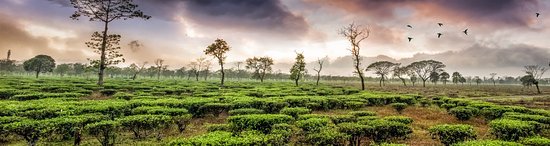
July showcases Sikkim’s wild, living side. Rivers swell, waterfalls thunder, and terraced fields glow in vibrant green. Tea gardens and cardamom plantations release fresh aromas, and mountain streams brim with life. Visiting in July means:
- Fewer tourists and better value for stays and guides.
- Special photographic opportunities: mist, rainbows, waterfalls and saturated colours.
- Cooler temperatures at lower elevations — pleasant for exploring towns like Gangtok and Pelling.
Understanding the monsoon and weather patterns
Sikkim experiences the southwest monsoon, usually active through June to September. In July expect regular to heavy rainfall, especially at higher elevations. Lower valleys and city areas such as Gangtok and Namchi will see frequent showers and cloudy intervals. Mountain passes and high-altitude zones are often foggy, and visibility can change rapidly.
Rainfall intensity and frequency vary across the state: East Sikkim (including Gangtok) tends to be wetter than some western pockets. Weather at higher altitudes is more unpredictable and can turn from sunny to stormy within hours.
Road conditions and travel logistics
Road travel is the backbone of getting around Sikkim. In July, the main concerns are:
- Landslides and roadblocks: Heavy rains increase the risk of landslides, rockfalls and temporary closures on mountain roads. Some rural routes may be blocked at short notice, so flexibility is essential.
- Slippery and narrow stretches: Many roads are carved along steep slopes; wet surfaces reduce grip and require careful driving. Travel times can be much longer than during fair weather.
- Lower traffic, slower pace: With fewer vehicles on the road, you may enjoy quieter drives but also longer waits if assistance is needed.
Practical tips for road travel:
- Hire experienced local drivers who know the monsoon behaviour and alternate routes.
- Start early in the day to reach destinations before afternoon storms and to allow time for slow stretches.
- Keep fuel tanks topped up and carry essential supplies — water, snacks, a torch and a basic first-aid kit.
- Check daily for local travel advisories from hotels or tourism offices; they will know about fresh landslides or diversions.
Where to go in July: places that shine in the rain
Gangtok
Gangtok is a comfortable base for monsoon travellers: good hotels, shops and restaurants, and relatively reliable road connections. Explore MG Marg during clear spells, visit monasteries like Enchey and Rumtek (weather permitting), and enjoy cafés and local markets when the rain drives you indoors.
Pelling and Khecheopalri
Pelling’s views of the Kanchenjunga range may be intermittent in July, but the region’s waterfalls, monasteries and ridges take on a dramatic mood. Khecheopalri Lake, sacred to local Buddhists, is framed by wet forest and often enjoys a mystical fog — ideal for contemplative walks.
Yumthang and Lachung (North Sikkim)
North Sikkim is generally accessible but can be more affected by landslides in heavy monsoon years. Yumthang Valley and the nearby meadows are breathtakingly green and carpeted with wildflowers after rain. If you plan a trip to the north, allow extra days in your itinerary for unexpected delays and confirm permit requirements in advance.
Ravangla and Namchi
These lower-elevation spots are great in July. Trails through rhododendron forests and terraced farmland are vibrant, with abundant birdlife. The views are atmospheric, and homestays offer warm hospitality and hearty local food to warm you after wet walks.
Permits and practicalities
Indian nationals need an Inner Line Permit (ILP) for certain parts of Sikkim; foreign nationals require Protected Area Permits (PAP) for some zones. Permit rules can change, so confirm with local authorities or your tour operator before travel. In July, when road access may be altered, retaining flexible permit windows helps avoid problems if you must reshuffle plans.
Other practical points:
- Carry ID and photocopies; hotels often require them at check-in.
- Mobile connectivity is patchy outside towns — keep family informed of your plans and expected check-in times.
- Book accommodation that can advise on local conditions and has contingency plans for guests during weather disruptions.
Packing list for monsoon Sikkim
Packing right makes monsoon travel comfortable and safer. Essentials include:
- A waterproof, breathable jacket and trousers; quick-dry inner layers.
- Good walking shoes with deep tread and a pair of light sandals for wet stretches.
- Waterproof daypack cover and dry bags for electronics and documents.
- An umbrella, though a sturdy poncho is often better for mountain rain and hiking.
- Warm layers for evenings and higher altitudes; temperatures can drop suddenly.
- Basic medicines, anti-diarrhoeal tablets, rehydration salts and insect repellent for damp, mosquito-prone areas.
Activities well suited to July
Despite the rain, several activities remain excellent in July:
- Short treks and nature walks: Trails at lower elevation and well-maintained routes are rejuvenating and quiet. Early starts maximise clear windows.
- Waterfall hikes and photography: Waterfalls are at their peak flow and dramatic for photos; be careful near slick rocks and swollen streams.
- Birdwatching: Rainy months boost insect life, attracting many resident and migratory birds — ideal for birders with patience.
- Cultural experiences: Visit monasteries, markets and attend local festivals if dates align; indoor experiences are perfect during persistent rains.
Safety and health considerations
Monsoon conditions demand caution. Key safety advice:
- Avoid crossing swollen streams and avoid walking close to landslide-prone slopes after heavy rain.
- Limit night driving; visibility drops and fallen debris is harder to spot after dark.
- Carry water purification tablets or a filter if you plan remote treks; clean drinking water is important when infrastructure stretches during storms.
- Be mindful of altitude sickness if you head to higher valleys — symptoms can appear quickly; acclimatise and descend if you feel unwell.
Tip: Build buffer days into your itinerary. Accepting a slower pace and a degree of uncertainty will let you enjoy Sikkim’s rainy-season magic without stress.
Where to stay in monsoon season
Choose stays that are well-reviewed for cleanliness and host responsiveness. Homestays and small family-run hotels are plentiful and often provide local insights into trail conditions and weather. If you prefer predictability, book options in towns like Gangtok, Pelling or Ravangla that have reliable road access and staff who can assist with logistics if routes close.
Sample 6–8 day monsoon-friendly itinerary
- Day 1: Arrive in Gangtok — settle in, local walks and market visit.
- Day 2: Gangtok sightseeing (monastery visits, nearby viewpoints) — flexible for weather.
- Day 3: Transfer to Pelling — enjoy waterfalls and Pelling sights; relax at your guesthouse.
- Day 4: Short hikes around Khecheopalri and Pemayangtse Monastery; photography and local tea gardens.
- Day 5: Travel to Ravangla/Namchi — village walks, visit local markets and viewpoints.
- Day 6–7: Optional excursion to North Sikkim (Yumthang/Lachung) if roads permit — keep extra days for delays.
- Day 8: Return to Gangtok and depart.
Note: This itinerary prioritises shorter drives and flexibility so you can adjust for road conditions.
Responsible travel in the wet season
Respect the fragile mountain environment during monsoon travel. Stick to marked paths, avoid disturbing local flora and fauna, and minimise plastic use by carrying a reusable water bottle. Support local economies by booking guides, homestays and meals from village vendors — your responsible choices help communities that often face monsoon challenges.
July in Sikkim is for travellers who welcome nature’s drama: the rich smell of wet earth, the chorus of frogs and birds, and valleys drenched in green. With thoughtful planning, experienced drivers, flexible schedules and an open mind, monsoon travel reveals a side of Sikkim that few see in the dry season — wild, alive and quietly beautiful.
Safe travels and enjoy the green valleys of Sikkim; let the rain become part of your journey, not an obstacle.