Sikkim in January: Snowfall, Cold Weather and Travel Tips
January in Sikkim brings crisp mountain air, spectacular snow at higher altitudes and chilly nights in the valleys. This guide covers where to see snow, how to prepare, permits, transport and safety tips for a smooth winter trip.
By TravMe Holidays travel team · · Updated · 7 min read
January is one of the most dramatic months to visit Sikkim: the Himalaya loom clear and sharp, high passes are often dusted with snow, and northern valleys transform into postcard-perfect winter landscapes. If you are planning to travel in January, this guide explains what to expect from the weather, where to find reliable snowfall, how to dress and acclimatise, the permit rules you must follow, and practical travel tips to make the most of your cold-weather adventure.
What January weather in Sikkim looks like
In January, Sikkim experiences its coldest month. Temperatures vary widely by elevation. Lower areas such as Gangtok and Pelling have chilly days and freezing nights, while higher reaches — North Sikkim (Lachen, Lachung), Yumthang Valley, Nathula pass and the high alpine lakes — are frequently covered in snow. Clear skies are common due to the winter high-pressure patterns, offering spectacular views of the Greater Himalaya.
Key weather features:
- Clear days: Expect excellent visibility for mountain vistas on many days, ideal for photography.
- Cold nights: Night temperatures can drop well below freezing, particularly above 2,500 m.
- Snow at altitude: Reliable snowfall is usually limited to higher elevations; lower valleys can get frost or occasional dustings.
- Road conditions: Mountain roads can be icy or slushy after fresh snow. Snow clearance is routine but delays are possible.
Best places to see snowfall and winter scenery
Not every corner of Sikkim gets deep snow in January, but several destinations reliably offer winter magic.
North Sikkim: Lachen, Lachung and Yumthang
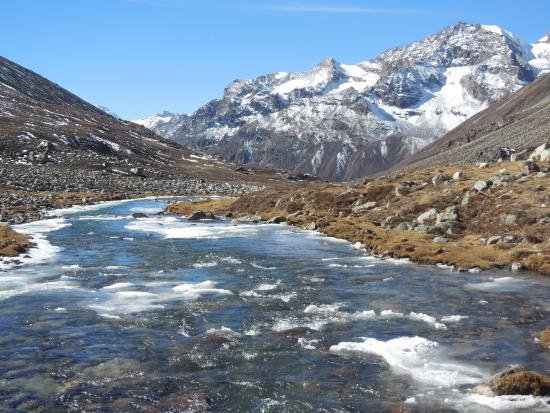
North Sikkim is the most reliable area for winter snowfall. Yumthang Valley often sees a blanket of snow and frozen streams that make it a wonderland. Lachen and Lachung remain gateways to these snowy landscapes. Note that travel may be affected by road closures when conditions are severe.
Changu (Tsomgo) Lake and Nathula
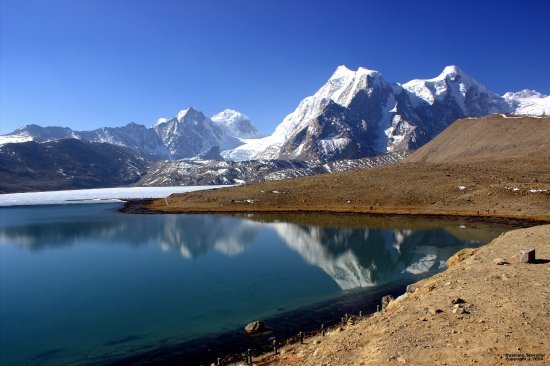
Tsomgo Lake near Gangtok frequently freezes or gets surrounded by snowfields. Nathula, a high mountain pass on the Indo-China border, sits at much higher altitude and is often snowy — but access is restricted and weather-dependent.
Gangtok and surrounding ridges
Gangtok itself sees light snowfall only occasionally, but early morning frost and crystal-clear views of peaks like Kanchenjunga make it a worthwhile base. Short drives from Gangtok to higher ridges will improve your chances of encountering snow.
Travel permits and regulations
Travel to Sikkim involves a few permit requirements that vary by nationality and destination within the state. Always check the latest rules before you travel, as they can change.
- Foreign nationals: Certain areas in Sikkim are in restricted or protected zones. Foreign travellers often require special permits to visit regions like North Sikkim and border areas. Obtain permits through authorised tour operators, hotels, or official government channels well before departure.
- Indian citizens: Indian nationals may need permits to access specific high-altitude or border regions in North Sikkim, and checkpoints check identity and travel plans. Carry valid photo ID at all times.
- Day trips to border zones: Visits to places such as Nathula Pass are subject to military regulations, limited time slots and may be closed in winter for safety. Confirm availability and paperwork in advance.
Packing list and clothing advice
Layering is the most practical approach for Sikkim in January. Temperatures can swing between cold mornings and comparatively mild afternoons in sunlit valleys.
- Base layers: Thermal innerwear and moisture-wicking shirts to keep you dry and warm.
- Mid layers: Fleece or wool sweaters for insulation.
- Outer layer: A good insulated, windproof and water-resistant jacket for snow and icy winds.
- Pants: Thermal leggings under regular trekking trousers; consider waterproof over-trousers for snow play.
- Footwear: Waterproof boots with thermal socks; carry felt or rubber soles for grip if you plan on walking on icy surfaces.
- Accessories: Warm gloves, a woollen cap, scarf, sunglasses (to reduce glare from snow), sunscreen and lip balm for high-altitude sun exposure.
- Optional: Microspikes or crampon attachments, trekking poles and hand warmers for longer excursions into snowy terrain.
Health, altitude and acclimatisation
Even though many popular Sikkim destinations sit below extreme altitudes, some places you may visit in January — notably passes and North Sikkim valleys — are high enough to provoke altitude effects.
- Acclimatise gradually: If your itinerary includes sudden drives to high altitudes, allow a day or two to acclimatise in Gangtok or other mid-altitude stops before ascending further.
- Recognise symptoms: Headache, nausea, dizziness and breathlessness are early signs of acute mountain sickness. Rest, hydrate and descend if symptoms worsen.
- Medication: Speak to your doctor about prophylactic medicines if you are prone to altitude sickness. Carry a basic first-aid kit and any personal prescriptions.
- Hydration and nutrition: Drink plenty of fluids and eat regular, high-energy meals — cold saps energy more quickly.
Transport and road safety in winter
Road travel in Sikkim during January can be both scenic and challenging. Mountain roads are well-maintained by local authorities, but snow, ice and occasional landslips may cause delays.
- Vehicle choice: Book sturdy vehicles with experienced mountain drivers. Four-wheel-drive is recommended for higher routes and uncertain conditions.
- Driver experience: Local drivers familiar with winter conditions can make a big difference. Use reputable operators who monitor road and weather updates.
- Allow extra time: Build buffer days into your itinerary for delays caused by road closures or weather-related slowdowns.
- Public transport: Local buses run on major routes but may be less frequent in winter. Shared jeeps are common for mid-distance travel.
Accommodation and food in winter
Most hotels and homestays in Sikkim remain open in January, though facilities vary by location. Choose accommodation with reliable heating and hot water if travelling in deep winter.
- Book early: Popular winter routes can attract visitors seeking snow; reserve rooms ahead, especially in North Sikkim lanes.
- Heating: Confirm the availability of heating systems. Some guesthouses offer electric heaters or room heaters; in remote areas, traditional heating methods like hot water bottles are common.
- Food: Enjoy warming local dishes — thukpa, momos, noodles, and hearty stews — which are perfect after a cold day. Carry some easy-to-prepare snacks for long drives.
Photography and what to pack for great shots
Winter offers crystal-clear air and dramatic light; take advantage of early mornings and golden hours for peak mountain photography.
- Protect your gear: Cold can reduce battery life; carry spare batteries in an inner pocket close to your body to keep them warm.
- Lens care: Condensation can form when moving between cold outdoors and warm interiors. Use silica gel packs and allow slow acclimatisation.
- Filters and tripod: Polarising filters help reduce glare off snow, and a sturdy tripod improves landscape shots in low light.
Travel tip: Flexibility is essential. In January, the weather can change plans quickly — welcome the unexpected delays as part of your Himalayan experience.
Suggested winter itinerary (7-8 days)
Below is a sample plan that balances acclimatisation, snow experiences and cultural time in lower-altitude towns. Adjust based on your interests and road conditions.
- Arrive in Bagdogra/Gangtok. Rest and acclimatise; short walks in Gangtok market.
- Day trip to Tsomgo Lake (Changu) and nearby ridges for snow and views; return to Gangtok.
- Drive to North Sikkim gateway (depending on road access) and on to Lachen; overnight in Lachen.
- Day excursion from Lachen to Gurudongmar or nearby high-altitude points if open; return to Lachen.
- Drive to Lachung and onward to Yumthang Valley — enjoy snowfields and hot springs if accessible.
- Return to Gangtok via scenic stops; visit monasteries and local markets en route.
- Depart Gangtok. Optionally add Pelling or Yuksom for cultural and panoramic experiences.
Safety and responsible travel
Respect the fragile mountain environment and local communities. Keep these points in mind:
- Travel insurance: Ensure it covers high-altitude activities and emergency evacuation if you plan to visit remote areas.
- Leave no trace: Carry back non-biodegradable waste and avoid burning plastic in campfires.
- Local customs: Be mindful of cultural norms in villages and monasteries. Ask before photographing people in private settings.
- Wildlife: Winter can concentrate wildlife near lower valleys; observe from a distance and do not feed animals.
Practical booking tips
- Work with a local travel operator who understands winter logistics and permits — they can monitor road and weather updates and modify plans when needed.
- Confirm heating and hot water at your accommodation, and ask about backup arrangements during heavy snow.
- Keep digital and printed copies of permits and IDs; checkpoints are common on winter routes.
January in Sikkim offers a special winter experience: crisp air, dramatic mountain vistas and the excitement of snowy landscapes. With good planning, appropriate gear and a flexible attitude, travellers can enjoy a memorable and safe trip amid some of the Himalaya's most spectacular scenery.
Conclusion: If you love clear skies, snowy valleys and fewer crowds, January is a rewarding time to visit Sikkim. Prepare for cold nights, check permit requirements, travel with experienced drivers and allow a relaxed pace so you can savour the winter magic of the Himalaya.