Sikkim in February: Late Winter Travel and Losar Celebrations
February in Sikkim offers crisp late-winter landscapes, early spring blooms in lower valleys and the vibrant Losar celebrations of the Bhutia-Tibetan communities — perfect for cultural immersion and snow-laced mountain views.
By TravMe Holidays travel team · · Updated · 7 min read
Sikkim in February is a delicate blend of lingering winter and the first hints of spring. The high Himalaya remains powder-dusted and dramatic, while lower valleys begin to warm and show the earliest signs of new life. For travellers who enjoy quieter seasons, clear skies and cultural festivals, February can be an especially rewarding time to explore this small but diverse Indian state.
Why Visit Sikkim in February?
There are several reasons to plan a trip to Sikkim in February. The tourist flow is lower compared with the peak spring and autumn months, which means calmer roads, easier bookings and a more intimate experience of local life. The mountain views are often crisp and unobstructed after winter fog clears, making it a good time for photographers. Importantly, Losar — the Tibetan New Year celebrated by Sikkim’s Bhutia and Tibetan communities — often falls in February (date varies by lunar calendar), offering a unique cultural window into traditional ceremonies, masked dances and colourful community gatherings.
Weather and What to Expect
February is part of late winter in Sikkim. Expect:
- Cold nights and early mornings, especially above 2,500 metres where temperatures can drop below freezing.
- Milder, pleasant days in lower elevations such as Gangtok and Pelling, with sunshine but a sharp chill in shade or wind.
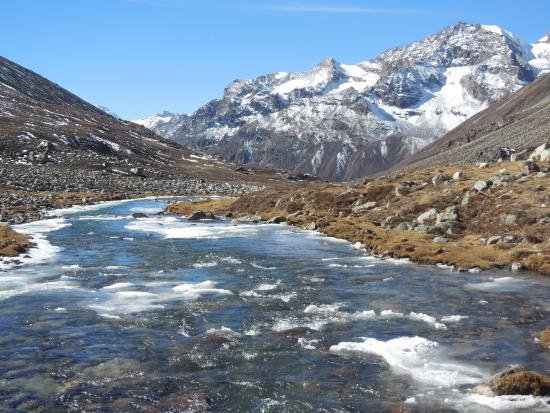
- Snow or lingering patches at higher altitude destinations like Lachung, Lachen and Yumthang Valley; some mountain passes may still be icy.
- Generally clearer skies, improving visibility for mountain panoramas; brief wintery showers are possible but heavy monsoon rains are still far off.
Packing Essentials
- Layered clothing: thermal base layers, warm mid-layers (fleece or wool), and a windproof/water-resistant outer shell.
- Warm accessories: insulated gloves, a woollen hat, scarf, and warm socks. Trekking poles and gaiters help in snowy patches.
- Footwear: sturdy, waterproof trekking shoes or boots with good grip for icy paths.
- Sun protection: sunglasses, high-SPF sunscreen and lip balm — high-altitude sun is strong even in winter.
- Basic medicines, a first-aid kit, and any altitude-related medication if you are heading to higher elevations quickly.
Losar Celebrations: Culture and Customs
Losar is one of the most colourful cultural events you can witness in Sikkim. Rooted in Tibetan Buddhist traditions and celebrated by the Bhutia, Lepcha and Tibetan communities, Losar marks a new year on the lunar calendar. The exact date shifts each year, so check local calendars or ask your hosts for the precise timing.
What to Expect During Losar
- Monastery rituals: Ceremonial prayers, butter lamp offerings and monk-led rites at gompas (monasteries) such as Rumtek, Enchey and Pemayangtse.
- Masked dances and cham performances: These sacred dances depict mythological stories and protectors, performed by monks or local troupes.
- Community gatherings: Families visit each other, share special foods and exchange best wishes for the new year.
- Local markets: Temporary fairs or increased local market activity where you can see traditional dress, handicrafts and taste festival foods.
As a visitor, dress modestly and follow local guidance in monasteries — remove shoes where required, keep quiet during rituals, and always ask before photographing monks or ceremonies.
Must-Visit Places in February
Even in late winter, Sikkim’s compact geography packs a lot of variety. Depending on how much time you have, consider a mix of lower valley sightseeing, higher-altitude excursions and a cultural focus around Losar.
Gangtok
The state capital makes an excellent base. Stroll the Mall Road, visit Enchey Monastery and the Namgyal Institute for Buddhist studies, and make a day trip to Tsomgo (Changu) Lake if road conditions allow. Gangtok's cafes and eateries are cosy refuges from the cold.
Pelling
Pelling offers spectacular views of the Kanchenjunga range, especially on clear days common in February. Visit Pemayangtse Monastery, the Khecheopalri sacred lake nearby, and small hikes to viewpoints for sunrise photography.
North Sikkim: Lachung, Lachen, Yumthang, Gurudongmar
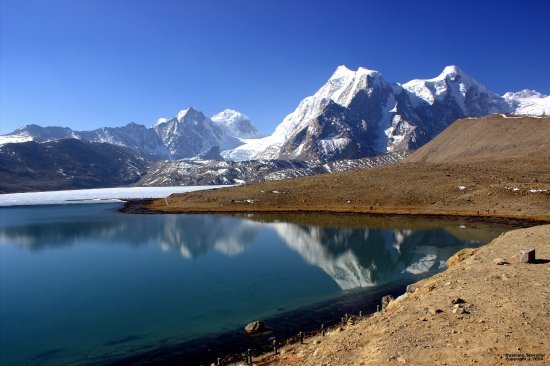
These high-altitude regions are at their most dramatic in winter, with snow-clad valleys and frozen landscapes. Yumthang Valley—also known as the Valley of Flowers—is quiet and snowy rather than floral in February. Gurudongmar Lake remains an awe-inspiring, high-altitude destination; check accessibility and permits, and be prepared for very cold temperatures and altitude effects.
Rural Villages and Monasteries
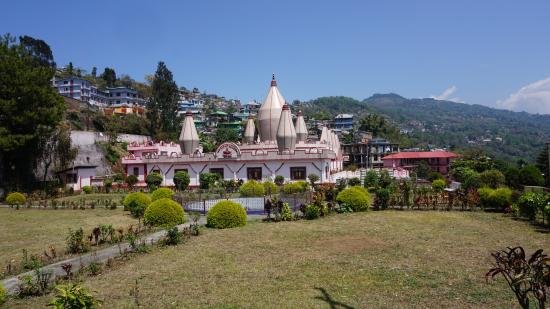
Smaller villages like Ravangla or Namchi offer quieter cultural experiences, local homestays and easier access to nature walks without the crowds. Monasteries such as Rumtek (near Gangtok) host solemn rituals that are especially meaningful during festival times.
Permits, Travel Logistics and Safety
Sikkim requires permits for many areas, especially for foreign nationals and for travel to protected or border regions. Common permit types include the Protected Area Permit and Inner Line-type permissions for restricted zones. If you plan day trips to places like Tsomgo Lake or to border areas, check permit requirements in advance through your tour operator or at entry points such as the MG Marg counter in Gangtok.
How to Reach Sikkim
- By Air: The nearest major airport is Bagdogra (West Bengal) with onward road transfers to Gangtok. Flights into Bagdogra are frequent from major Indian cities.
- By Train: New Jalpaiguri (NJP) is the closest major railhead with road links to Sikkim.
- By Road: Regular bus and private taxi services operate from Siliguri and NJP to Gangtok and other parts of Sikkim. Road travel in February can be scenic but slower due to possible snow or ice on high mountain stretches.
Health and Altitude
Altitude sickness can affect visitors unaccustomed to higher elevations. Take time to acclimatise—avoid ascending too quickly, stay hydrated, eat light meals and avoid strenuous activity for the first 24–48 hours at altitude. Carry basic medicines and consult a doctor before traveling if you have pre-existing conditions.
Activities and Experiences
February's combination of quieter trails and festive energy lends itself to a range of activities:
- Photography: Crisp winter light and snow-draped landscapes are perfect for mountain and cultural photography. Early mornings often reward you with dramatic sunrises over the Himalaya.
- Short treks and nature walks: Lower elevation trails near Pelling or Namchi are manageable in winter; higher treks may be inaccessible or require local guides and snow gear.
- Monastery visits and cultural immersion: Attend Losar rituals, visit small gompas and meet monks or local families to learn about their customs.
- Birding and wildlife: Lower hills and forests host resident Himalayan birds. Winter species and migratory visitors can be spotted with a patient guide.
- Culinary experiences: Try local Sikkimese delicacies — thukpa, momos, gundruk and gyathuk — and warming drinks like butter tea if offered in Tibetan households.
Responsible and Respectful Travel
When visiting Sikkim — particularly during a significant festival like Losar — keep sustainability and local customs in mind:
- Respect religious spaces and follow signage in monasteries. Ask before taking photographs of people, especially during rituals.
- Keep noise to a minimum during solemn ceremonies and avoid disrupting community gatherings.
- Minimise waste: carry a reusable water bottle, dispose of waste at designated points and avoid single-use plastics.
- Support local businesses by choosing homestays, local guides, handicrafts and community-run enterprises.
Tip: Confirm Losar dates locally and try to witness a monastery cham or community procession — these are rare, intimate windows into Sikkim’s living traditions.
Practical Tips and Final Advice
- Book accommodations early if you plan to travel during Losar, as local demand can rise around festival times even if overall visitor numbers are low.
- Carry cash, especially in smaller towns and villages where card facilities may be limited.
- Check local road and weather updates before heading to high-altitude destinations. Winter roadblocks are less common than deep winter months, but still possible.
- If you plan to visit remote valleys or high lakes, travel with a local guide or arranged transport — conditions can change quickly and local knowledge matters.
February in Sikkim is a season of contrasts: the stark beauty of snow, the warmth of festival celebrations and the quiet revival of the valleys. It suits travellers who value clear mountain vistas, cultural depth and a paced itinerary rather than hurried sightseeing. With thoughtful planning and respectful engagement, a late-winter trip to Sikkim can be both memorable and meaningful.
Enjoy the clean mountain air, the rhythmic beats of monastery drums during Losar, and the gentle excitement of a landscape preparing for spring.