Sikkim in Autumn: The Clearest Season for Kanchenjunga Views
Autumn in Sikkim—October and November—offers crystal-clear skies, crisp air and the best vistas of Kanchenjunga. This guide covers where to go, what to pack, permits, trekking options and practical tips for a picture-perfect mountain escape.
By TravMe Holidays travel team · · Updated · 7 min read
Autumn is widely regarded as the clearest season to view Kanchenjunga in all its glory. After the monsoon washes the air clean, October and November bring bright blue skies, excellent visibility and stable weather—ideal for travellers who want dramatic mountain panoramas, crisp sunrise colours and comfortable daytime temperatures. Whether you are chasing sunrise on a high ridge, planning a leisurely drive through emerald valleys or attempting a classic trek, Sikkim in autumn rewards with some of the finest Himalayan vistas in India.
Why autumn is best for Kanchenjunga views
The post-monsoon months deliver a unique combination of factors that favour unobstructed views of Kanchenjunga:
- Clearer atmosphere: Rainfall settles dust and pollutants; lower moisture levels reduce haze, giving you sharp outlines of distant peaks.
- Stable weather: High pressure systems dominate, meaning fewer storms and longer windows of calm, photogenic skies.
- Comfortable temperatures: Daytime temperatures are pleasant for sightseeing; chilly nights are manageable with layers.
- Less vegetation obstruction: With the monsoon over, visibility through valleys and ridgelines improves, opening long sightlines to Kanchenjunga.
Best places in Sikkim to see Kanchenjunga
Not all viewpoints are equal. Here are top spots where Kanchenjunga’s profile is especially impressive in autumn:
Pelling
Pelling is arguably the most accessible and popular base for Kanchenjunga views. From Pelling’s ridge many hotels and viewpoints frame the mountain with minimal foreground obstruction. Sunrise from the Pemayangtse area and the Sky Walks around the town can be outstanding on a clear autumn morning.
Yuksom and Khecheopalri
Yuksom, a historic gateway to the Khangchendzonga National Park, offers quieter, panoramic vantage points. Nearby Khecheopalri Lake provides reflective water views that, on still autumn mornings, mirror the peaks—an excellent composition for photographers.
Goecha La and Dzongri (Trek)
For those who want close-up, dramatic perspectives, the Goecha La trek (starting from Yuksom via Tshoka and Dzongri) is unmatched. Autumn is a preferred trekking window because trails are dry and visibility for summit panoramas from Goecha La, Samiti Lake and Dzongri are consistently superb.
Gangtok viewpoints
From Gangtok you can catch northern glimpses of the Kanchenjunga massif. Tashi Viewpoint and the ridge near the Rumtek Monastery provide accessible sunrise options for those not heading into the high hills.
Lava, Lachen and Lachung (North Sikkim)
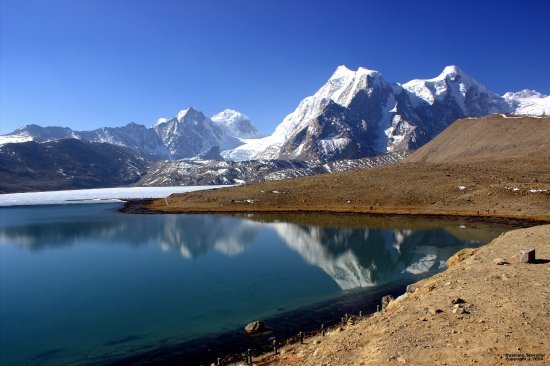
These outposts are gateways to the higher northern valleys. While the highlight peaks like Gurudongmar are earlier dawn affairs and can be colder, autumn still provides excellent clarity for views from Thangu and Chopta Valley en route to Goecha La or other passes.
Trekking and day-hike options in autumn
Sikkim’s trek network shines in autumn. Trails are clear, rivers are lower and camps are drier. Popular options:
- Dzongri–Goecha La Trek: 4–7 days depending on itinerary. Dzongri meadows and the Goecha La viewpoint offer the most iconic views of Kanchenjunga.
- Trekking to Samiti Lake: A shorter alternative with excellent views of the eastern face of Kanchenjunga, often combined with the Goecha La route.
- Day-hikes from Pelling: Shorter walks to local ridgelines or the Khecheopalri–Pemayangtse area for sunrise without committing to multi-day treks.
Book treks with registered guides and agencies. In autumn, popular trails fill up, so reserve slots and accommodation early—especially around festival weekends.
Practicalities: permits, travel and accommodation
Sikkim has a few special permit requirements and travel considerations worth knowing before you plan:
- Inner Line / Protected Area Permits: While Indian citizens can enter many parts of Sikkim freely, certain border and high-altitude zones—especially in North and West Sikkim—require permits. Foreign nationals generally need Protected Area Permits (PAP) for many interior routes. Check current regulations well in advance with the Sikkim tourism office or your tour operator.
- Travel access: The nearest airport is Bagdogra (West Bengal) with onward road transfers to Gangtok or Pelling by taxi or shared jeeps. Railhead is New Jalpaiguri (Siliguri) with good connectivity. Roads after Bagdogra offer scenic drives but can be winding; if you prefer less driving, schedule extra days for comfortable transfers.
- Accommodation: Gangtok, Pelling and Yuksom offer a range of hotels and homestays. For trek departures you will overnight in basic lodges or camps. In autumn, book in advance—popular hotels with views of Kanchenjunga fill quickly.
- Local transport: Shared jeeps and private taxis connect towns. Road conditions are typically good in autumn, but slips and repairs can still cause delays, so allow buffer time in your itinerary.
Packing and preparation for autumn in Sikkim
Layering is key in autumn: days can be pleasantly warm in the sun but mornings and nights get chilly, especially at altitude. Essentials:
- Warm insulated jacket, fleece layers and thermal innerwear for early mornings and high-altitude stops.
- Lightweight daytime clothes, sunhat and UV-blocking sunglasses—autumn sun is bright at altitude.
- Sturdy walking shoes or trekking boots for trails around Dzongri and Goecha La; breathable socks and gaiters if you plan higher treks.
- Sunblock, lip balm, reusable water bottle and high-energy snacks for trekking days.
- Basic first-aid kit including altitude sickness medication if advised by your doctor, and travel insurance that covers high-altitude trekking if you plan on Goecha La.
- Camera gear: a telephoto lens (200–400mm range) brings distant ridgelines close; tripod for sunrise and low-light photography; extra batteries as cold reduces battery life.
Health and safety tips
- Acclimatise gradually—avoid rapid ascents to high camps, particularly if you travel from Gangtok to Lachen or Yuksom to Dzongri.
- Stay hydrated and avoid alcohol at higher elevations. Know symptoms of acute mountain sickness and descend if they worsen.
- Hire local guides for offbeat hikes and unfamiliar passes; they know weather patterns, route conditions and permit formalities.
Photography and best times of day
Autumn’s clarity makes morning and late-afternoon light particularly rewarding.
- Sunrise: The most dramatic time for Kanchenjunga—peaks catch warm light while valleys remain cool, creating depth and contrast. Plan to be at a viewpoint 30–60 minutes before sunrise for changing colours.
- Golden hour sunset: When clouds build over the range in late afternoon, the mountains pick up rich tones—great for dramatic silhouettes.
- Midday: Use a polarising filter to cut glare and deepen blue skies if you shoot from lower vantage points.
Local tip: On crystal-clear days, watch for the brief moments when the Kanchenjunga massif appears without any haze—those are the frames you’ll want to capture.
Local culture and festivals in autumn
Autumn overlaps with Indian festivals and local celebrations, which can add colour to your visit. Dussehra and Diwali (celebrated pan-India) fall in this period and bring a festive mood to towns. Some communities in Sikkim observe regional festivals that may include masked dances, local fairs and traditional foods—ask your host or guide for details to experience authentic cultural moments without disturbing rituals.
Responsible travel in Sikkim
Sikkim is ecologically sensitive and culturally rich. Follow these guidelines:
- Carry reusable water bottles and avoid single-use plastics; many mountain communities struggle with waste management.
- Respect local customs: dress modestly at monasteries and sacred sites, and ask before photographing people in traditional attire.
- Stick to marked trails to protect fragile alpine flora. If you hire porters or pack animals, ensure fair wages and humane treatment.
Sample 5-day autumn itinerary for Kanchenjunga views
- Day 1: Arrive Bagdogra—drive to Gangtok. Short evening walk and view from Tashi Point at sunset.
- Day 2: Gangtok to Pelling—check in, evening stroll to Pemayangtse viewpoint for sunset.
- Day 3: Early morning Kanchenjunga sunrise from Pelling; drive to Yuksom and explore local monasteries.
- Day 4: Start Dzongri trek (or day-hike options) and camp/lodge overnight near scenic meadows.
- Day 5: Early summit-like viewpoint for sunrise, return to Yuksom and drive back toward Bagdogra or Gangtok.
This is a flexible outline—add extra days if you want to complete the full Goecha La trek or spend more time acclimatising.
Final tips
Book accommodation and permits early, especially in October when travellers from India and abroad converge for the ideal viewing window. Keep alternative days free in your plan to allow for weather variability; even in autumn, occasional atmospheric disturbances may obscure the view for a day or two. Above all, savour the quiet moments: a clear Kanchenjunga vista at dawn is as much a meditative experience as a photographic opportunity.
Autumn in Sikkim is a season of clarity—perfect for travellers who want to see Kanchenjunga in its full, sharp splendour. With proper planning, respect for local rules and a willingness to get up early for those sunrise hours, you’ll return with memories and images that last a lifetime.