Sikkim in August: Lush Hills, Rain and Quieter Roads
Sikkim in August unveils emerald hills, persistent monsoon showers and quieter roads — perfect for travellers seeking lush landscapes, fewer crowds and a slower, reflective pace.
By TravMe Holidays travel team · · Updated · 6 min read
August in Sikkim is a season of greening: hills turn velvet green, waterfalls swell and misty mornings linger longer. While rain shapes daily plans, it also transforms the landscape into one of India’s most atmospheric and photogenic destinations. If you enjoy dramatic skies, rich flora, and a calmer pace, this month can be uniquely rewarding.
What to expect from the weather
August falls squarely in Sikkim’s monsoon season. Expect frequent, sometimes heavy, rain showers interspersed with bright, humid spells. Valley fog and low cloud cover are common, and visibility toward high peaks may be limited on many days. Temperatures remain pleasant compared with most of the subcontinent — nights can be cool, while daytime temperatures stay comfortably mild. Rain patterns vary quickly: a clear hour can follow a downpour, revealing saturated forests and vibrant rivers.
Why visit Sikkim in August?
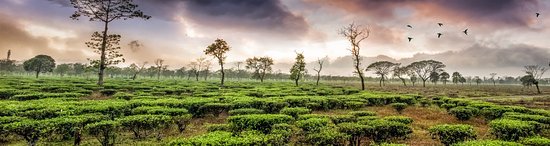
- Lush landscapes: The rains make the hills intensely green. Rhododendrons, ferns and tea gardens look renewed, and small waterfalls appear where there were only trickles in drier months.
- Quieter roads and fewer tourists: Popular viewpoints and monasteries are far less crowded. You’ll find more space at guesthouses, homestays and local eateries.
- Atmospheric photography: Cloud layers, misty valleys and rain-lashed scenes create moody, compelling images.
- Lower fares and flexible bookings: With decreased demand, you can often secure better room choices and flexible itineraries.
Top places to visit in August
Not every destination is equally enjoyable in heavy rain, so consider places that work well with mist and drizzle.
Gangtok
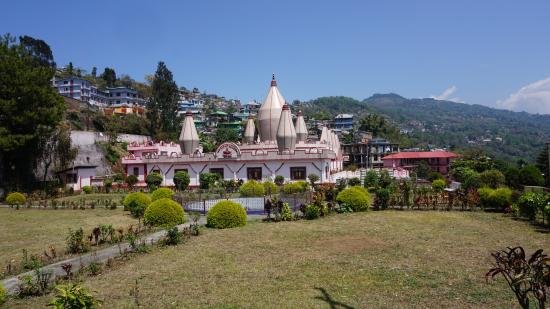
The state capital is a good base. Stroll the Mall Road and explore monasteries and viewpoints when the clouds part. Museums, local markets and indoor cultural centres remain accessible during rain spells.
Pelling
Pelling’s waterfalls and forested trails look exceptional after rainfall. While long-range views of Kanchenjunga may be obscured, the immediate scenery is at its emerald best. Short walks and visits to nearby monasteries are still rewarding.
Yuksom and Khecheopalri
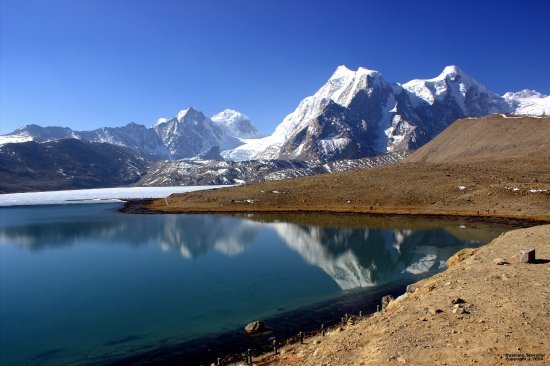
Yuksom’s peace and the sacred Khecheopalri Lake’s serene reflection make for contemplative visits. Paths can be muddy; sturdy footwear is essential.
North and East Sikkim (Yumthang, Lachen, Lachung)
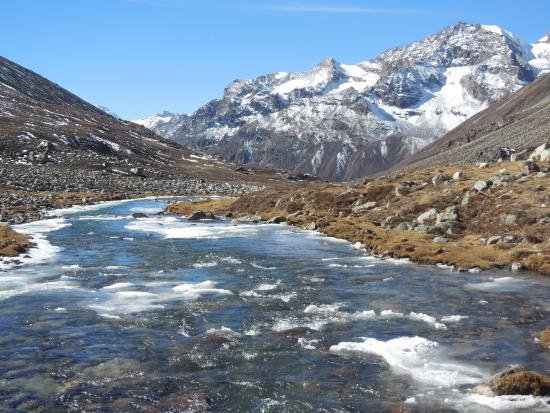
If you plan to travel to higher, snow-fed valleys, be prepared for unpredictable weather. These areas receive heavy monsoon influence and are often shrouded in cloud, but the alpine meadows and hot springs can still be enjoyed on clearer days.
Activities that suit the monsoon
- Short nature trails and guided walks: Choose well-maintained trails and go with a local guide to enjoy flora and birdlife safely.
- Monastery visits and cultural experiences: Spend time in monasteries, attend local prayer sessions and learn traditional crafts in workshops.
- Tea garden tours: A warm cup in rainy weather enhances the sensory experience of visiting tea estates.
- Photography tours: Capture dramatic skies, reflections in puddles and rain-dressed foliage. Early mornings after rain are especially rewarding.
- Relaxed homestays and culinary experiences: Monsoon is an ideal month to linger in a homestay, sample home-cooked Sikkimese and Nepali dishes and chat with hosts.
Packing checklist for August
Packing for Sikkim in August means preparing for wet conditions while keeping comfort in mind.
- Waterproof jacket with a hood and a lightweight rain poncho
- Quick-dry clothing and merino or synthetic layers for warmth
- Waterproof hiking shoes or boots with good grip and spare socks
- Small umbrella and protective covers for backpacks and camera gear
- Portable dry bags or zip-locks for electronics and documents
- Basic first-aid kit, motion sickness remedies for winding roads, and insect repellent
- Power bank and sufficient memory cards; charging points can be limited in remote stays
Travel logistics and road conditions
Monsoon affects road reliability. Landslides and temporary roadblocks are possible, especially after heavy rainfall. Plan extra travel time between destinations, and keep your schedule flexible. If you are self-driving, ensure your vehicle is well-maintained; if using taxis, hire drivers who regularly ply the local roads and know alternate routes. Public transport services may operate on reduced schedules.
Permits and entry requirements
Indian citizens do not need special inner-line permits to visit most parts of Sikkim, but some sensitive border areas require permits. Foreign nationals often require Protected Area Permits or restricted area permissions for certain regions—check current regulations before travel and ensure your travel agent or host confirms permit needs and assists with paperwork.
Health, safety and responsible travel
Monsoon brings increased insect activity and the potential for waterborne issues. Drink bottled or purified water, practice good hand hygiene and avoid raw, undercooked street food if you are unsure of sources. Carry any prescribed medication and consult your doctor about altitude precautions if you plan to visit high valleys.
Respect local culture and the fragile mountain ecosystem. Stay on marked trails, avoid feeding wildlife and carry back all waste. Plastic reduction and water conservation make a tangible difference in these fragile communities.
Where to stay
Sikkim has a range of accommodation that suits monsoon travellers. Boutique hotels in Gangtok and Pelling, family-run homestays in rural villages and cozy lodges in the hill towns provide sheltered comfort. Homestays are particularly rewarding in August: owners often use indoor gatherings, shared meals and stories to create memorable experiences when outdoor activities are curtailed by rain.
Local food to enjoy in the rains
Monsoon is a great time to savour warming regional dishes. Try hearty stews, local noodles, and fermented or pickled accompaniments that pair well with tea. Hot momos or thukpa are especially satisfying on a rainy afternoon. Eating with locals and sampling seasonal home-cooked specialities offers both culinary delight and cultural warmth.
Pro tip: Keep one travel day buffer in your itinerary. A spare day gives you flexibility in case roads are delayed or weather turns unexpectedly wet.
Practical itinerary ideas (3–7 days)
Adjust these suggestions based on your arrival point and interests. Move at a relaxed pace — the monsoon rewards slow travel.
- 3 days: Gangtok base — explore nearby monasteries, local markets and short walks.
- 4–5 days: Gangtok to Pelling — enjoy waterfalls, monastery visits and tea gardens, with relaxed days for photography.
- 6–7 days: Add Yuksom or a northern valley visit for serene lakes and village life, but keep days flexible due to weather.
Final tips
Embrace the slower rhythm of the monsoon. Sikkim in August is less about ticking off a long checklist and more about absorbing misty mornings, lush colours and warm local hospitality. With sensible planning, waterproof gear and patience, you’ll come away with unique memories of a green, peaceful Sikkim.
Happy travels — and remember that the best monsoon moments often happen when you least expect them: after rain, with a cup of hot tea and a valley unfolding slowly under a silver sky.