Sikkim in April: Rhododendron Season and Warmer Weather
April is one of the most enchanting months to visit Sikkim — rhododendrons burst into colour across the hills while temperatures climb pleasantly, opening up high-altitude valleys and treks.
By TravMe Holidays travel team · · Updated · 6 min read
April in Sikkim feels like a soft awakening. Winter holds its final notes at the highest passes while the lower and mid-elevation forests and meadows turn into ribbons of colour as rhododendrons bloom. Warmer days, clear skies and melting snow make this an excellent month for sightseeing, photography and moderate trekking, with many of the state’s iconic valleys accessible without the deep cold of winter.
Why April is special in Sikkim
Rhododendron season and milder weather are the twin draws in April. Across east and north Sikkim you will see entire slopes painted in reds, pinks, whites and purples — these are native rhododendron species that thrive in the Himalayan climate. The improved weather also keeps high-altitude activity safer: passes are less icy than winter, roads open up earlier, and daytime temperatures are comfortable for walks and short treks.
Flowering season and biodiversity
Sikkim’s unique geography, from lower subtropical belts to alpine meadows, supports many rhododendron species and other Himalayan flora. In April the forest understory and open ridgelines awake: magnolias, primulas and wild orchids often appear alongside rhododendrons. Birdlife becomes more conspicuous too — sunbirds, laughingthrushes and Himalayan monal frequent flowering patches. If you are lucky and patient, early-morning watches in protected forests may reward you with glimpses of shy mammals.
Weather and what to expect
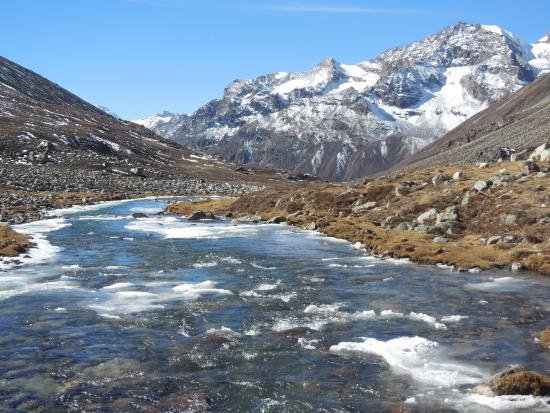
April brings steadily warming temperatures. Lower elevations such as Gangtok and the Teesta Valley enjoy mild days and cool nights, while high-altitude spots still retain winter’s crispness in the mornings and evenings. Snow typically lingers around the highest passes, so expect cold snaps at dawn in places like Lachung or Lachen.
Packed essentials
- Layered clothing: Lightweight woollens or fleece for the day, insulating layers for early mornings, and a windproof outer for higher altitudes.
- Sturdy footwear: Comfortable trekking shoes for walks and uneven village roads; gaiters if you plan snow patches.
- Sun protection: Sunglasses, broad-brimmed hat and high SPF sunscreen — UV intensifies at altitude.
- Rain protection: A compact umbrella or light rain jacket; April can have brief showers as the monsoon advances toward the Himalaya.
- Personal medicines: Altitude sickness remedies, motion-sickness tablets for winding mountain roads, and basic first-aid essentials.
Top places to see rhododendrons and spring colour
Rhododendrons are scattered across Sikkim, but some areas are particularly spectacular in April.
Yumthang Valley (North Sikkim)
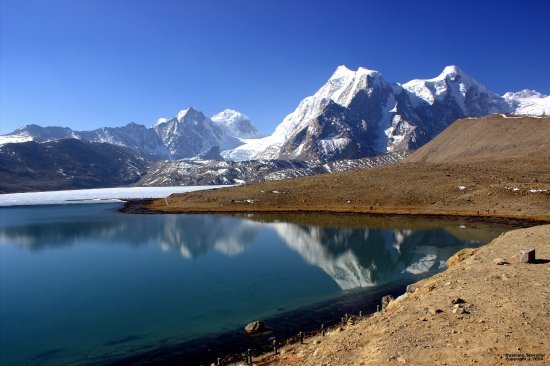
Often called the Valley of Flowers, Yumthang is a high-altitude meadow ringed by snowy peaks. In April the valley begins to carpet with flowering shrubs and alpine blooms. The approach itself is scenic — mountain streams, terraced villages and rhododendron-swept ridges make the drive a visual treat. Do remember that North Sikkim requires permits and roads may be rough in patches.
Dzongri and Goecha La trek region
For travellers who enjoy trekking with dramatic views of Kanchenjunga, the Dzongri-Goecha La corridor is among the best. April sees lower parts of this route come alive with colour; the higher camps can still be chilly but offer magnificent sightlines to the great eastern ranges. Short day-walks from Pelling or Yuksom can be arranged for those not attempting the full trek.
Yuksom and Khecheopalri
Yuksom, the historical gateway to the west, enjoys pleasant spring temperatures in April. Nearby Khecheopalri Lake and the surrounding woodlands are ideal for relaxed walks amid rhododendron-sprinkled forests. The cultural atmosphere here — monasteries, ancient trails and local homestays — complements the natural beauty.
Singalila Ridge approaches and eastern ridgelines
While the Singalila Ridge proper is in West Bengal, east Sikkim ridgelines offer similar floral vistas. Short treks and day-hikes from Gangtok or nearby villages put you among flowering shrubs without committing to long high-altitude camping.
Recommended itineraries for April
Choose your itinerary based on how much high-altitude activity you want and how much travel time you have. Below are a few balanced options.
4–5 day easy itinerary (low to mid elevations)
- Day 1: Arrive Gangtok — acclimatise, explore local markets and monasteries.
- Day 2: Day trip to Tsomgo Lake and nearby rhododendron-clad slopes; return to Gangtok.
- Day 3: Travel to Pelling — short walks with views and possible rhododendron sightings.
- Day 4: Local sightseeing or a short trek near Yuksom; return to Gangtok or proceed onward.
7–10 day nature and trek sample
- Day 1–2: Gangtok — acclimatisation and cultural sights.
- Day 3–4: Drive to Lachung/Lachen — enjoy mid-elevation forests and village trails.
- Day 5: Yumthang Valley and nearby meadows; overnight at Lachung or Lachen.
- Day 6–8: Return via scenic stops, or continue west to Yuksom and begin Goecha La approach if time permits.
Practical travel tips
Permits and documentation
Sikkim has designated protected and restricted zones. Some areas, especially in North Sikkim, require permits issued through local authorities or your tour operator. Foreign nationals usually need additional permissions for certain regions. Always check current rules with the state tourism department or a reputable local operator before travel.
Roads and transport
Mountain roads in Sikkim are narrow and winding; travel times are longer than they appear on maps. April’s improved weather reduces the risk of winter closures but occasional landslips or maintenance work can delay journeys. Shared taxis, hired cars and organised tours are common ways to move between towns. If you plan to self-drive, be prepared for steep gradients and variable road surfaces.
Acclimatisation and health
Altitude can affect anyone; take it easy on arrival, stay hydrated and avoid heavy exertion on the first day at higher elevations. Know the basic symptoms of altitude sickness — breathlessness, headache, nausea — and descend if they worsen. Local clinics in larger towns can advise; carry necessary medications and consult your doctor before a high-altitude trip if you have underlying health conditions.
Photography and nature etiquette
Early mornings and late afternoons provide the best light for rhododendron and landscape photography. Use a polariser to cut glare and bring a telephoto lens for birds and distant ridgelines. Respect local flora: avoid picking wild flowers, stay on trails to protect fragile alpine soil, and follow “leave no trace” principles. Many rhododendron species regenerate slowly and human disturbance can impact future blooms.
Where to stay and food considerations
Sikkim offers a range of stays from budget homestays to comfortable hotels and eco-lodges. In April popular valleys may fill up with visitors, so book in advance for Yumthang, Lachung and Goecha La approaches. Food is largely Tibetan-influenced — thukpa, momos and stews — with plenty of vegetarian options. Carry some snacks and energy bars if you plan long day excursions into remote areas.
Safety and responsible travel
Respect local customs and the environment. Some communities follow strict religious or ecological norms; ask before photographing religious rituals or private property. If hiring guides, choose licensed guides or those recommended by established operators; they not only enrich your experience but also help keep you safe on unfamiliar mountain routes. Finally, support local businesses where possible — meals at village homestays and purchases of local handicrafts help communities benefit from tourism.
April rewards travellers with vivid rhododendron blooms, clearer mountain vistas and comfortable trekking conditions — an ideal window to experience Sikkim’s spring splendour.
Conclusion
Visiting Sikkim in April is a delightful choice for those seeking colour, clearer skies and accessible high-altitude scenery. Whether you favour gentle village walks among flowering shrubs, photography in mountainous meadows, or the challenge of a classic trek, April’s warmer days and vivid blossoms make the state especially inviting. Plan for permits where required, allow time for acclimatisation, and travel respectfully — the rhododendron season is a fleeting celebration of Himalayan life best enjoyed mindfully.